Product and Service Quality
Goal and Performance Highlights
Performance
2025 Goal

Performance
2025 Goal
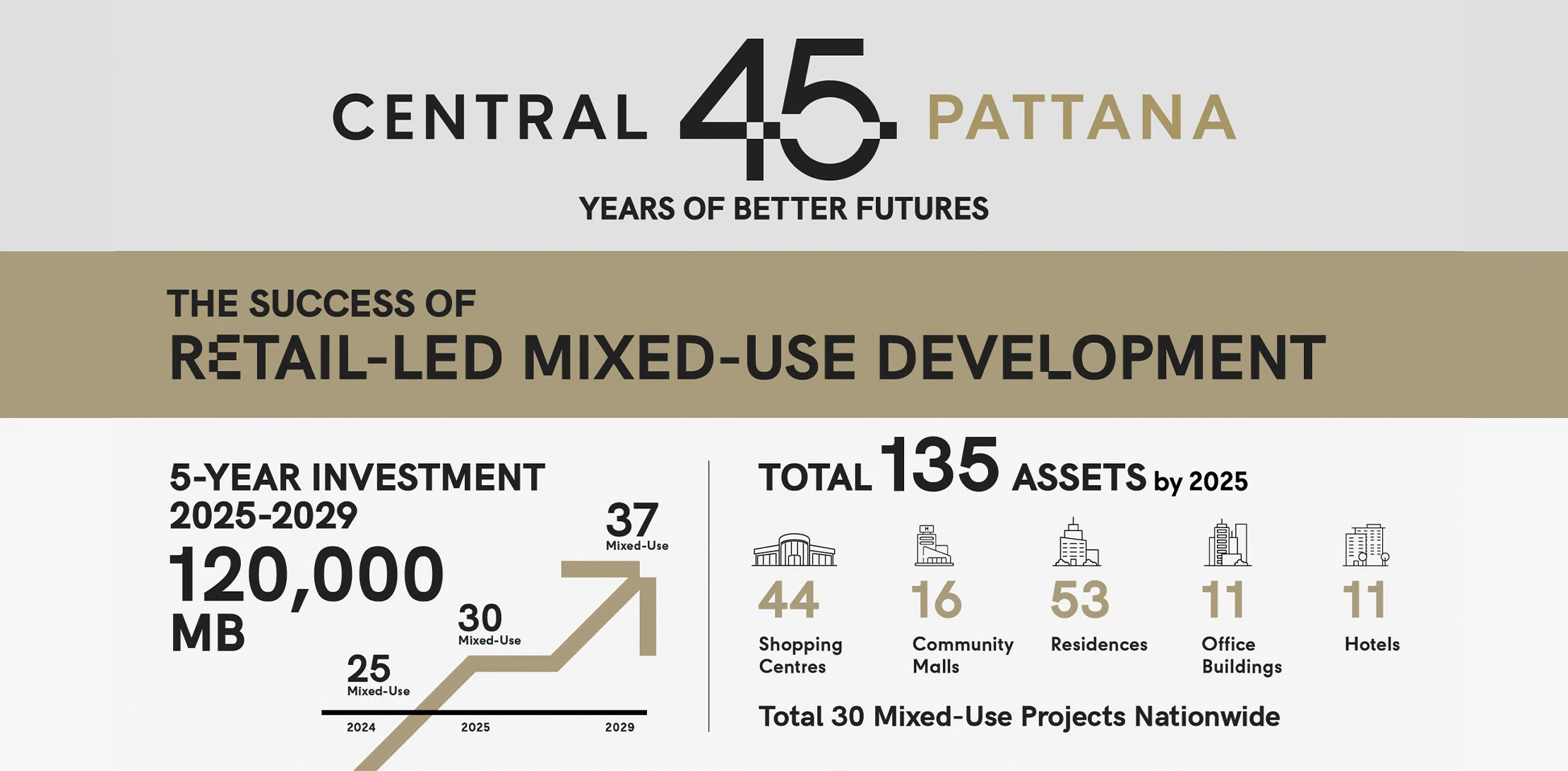
Central Pattana Public Company Limited is more than a shopping center developer. The Company is a creator of a “360-Degree Lifestyle Ecosystem” through its Retail-Led Mixed-Use Development model, which integrates shopping centers, residential projects, office buildings, and hotels. With a customer-centric approach, the Company designs buildings, functional spaces, and service experiences to create destinations that fulfill all aspects of modern living, covering shopping, dining, working, leisure, accommodation, and residence under the Shop-Eat-Work-Play-Stay-Live concept, available 24 hours a day, 365 days a year, across the country.
The success of this ecosystem is underpinned by strong collaboration with business partners and tenant operators, demonstrating sustainable shared growth, as detailed in the section on Tenant Relationship Management and Development. The Company also promotes co-innovation to address evolving customer needs and enhance convenience for specific customer segments, as described in the section on Innovation Management.
To respond to evolving consumer behavior in the digital era, including the growing preference for high-rise residential and condominium living, the shift toward online purchasing behavior, and challenges driven by technological innovation.
Governance and Oversight
The Company has established a robust governance structure for customer experience management to ensure that the Center of Life strategy is implemented effectively and sustainably across all business groups.
- Operational and area management level Dedicated customer service teams and project management teams are clearly assigned for each business type, including shopping centers, condominium juristic persons, office building managers, and hotel managers. These teams are responsible for collecting issues, analyzing concerns, resolving on-site problems, and providing timely feedback to customers.
- Line executive level Business function executives oversee and summarize key challenges by business group, as detailed in the relevant link. These issues are presented to the Executive Committee to determine directions, improvement plans, and cross-business service policies, or Cross-functional Policies. ESG-related issues are also reported to the Corporate Governance and Sustainable Development Committee.
- Information security governance Information security governance is overseen by the Chief Information Security Officer (CISO), who is responsible for supervising personal data protection and reporting to the Risk Management Committee and the Audit and Corporate Governance Committee. This ensures that customer data is protected across all platforms.
Challenges and Opportunities
- Opportunities from ecosystem integration: Managing customer experience across all four business groups creates competitive advantages and opportunities for exponential growth. Maintaining a seamless service standard, or Seamless Experience, strengthens customers’ engagement with the brand and encourages cross-business usage, or cross-selling. For example, condominium residents may shop at the Company’s shopping centers, while office workers may use hotel services for business meetings. This helps significantly diversify the Company’s investment risks from a financial perspective.
- Challenges from changing customer behavior and business portfolio expansion: The first key challenge is responding to rapidly changing and increasingly diverse customer behaviors and expectations amid the Company’s continuous business portfolio expansion. Services must therefore be flexible and customizable to meet the needs of each customer segment, or Personalization, while maintaining a balance between delivering high-quality products and offering competitive prices. However, this challenge also represents an important opportunity to drive innovation. If managed effectively, it can help reduce errors, enhance customer loyalty, encourage repeat usage, and sustainably attract new customer segments.
- Challenges in maintaining standards and corporate image: Another key challenge is maintaining consistent safety standards and service quality across all projects, as well as protecting customers’ personal data, which is connected across multiple platforms. The Company recognizes that any shortcomings in one business area, or any data breach incident, could affect the Company’s overall corporate image. Therefore, the integration of centralized management standards across both physical spaces and information systems is essential to protecting and maintaining customer trust.
- Opportunities to enhance travel experience: In addition, the Company recognizes that convenient access to project areas forms the first impression that directly affects customer experience. Traffic congestion around entrances and exits may cause inconvenience and reduce customer satisfaction. The Company therefore turns this challenge into an opportunity by applying technology and intelligent management systems to enhance convenience, improve speed, and create a seamless travel experience from the moment customers arrive.

Managing customer experience across all four business groups creates competitive advantages
and opportunities for exponential growth. Maintaining a seamless service standard, or Seamless Experience.
Management Approach and Value Creation
Supervision
The Company has established a robust governance structure for customer experience management to ensure that the Center of Life strategy is implemented effectively and sustainably across all business groups.
- Operational and area management level Dedicated customer service teams and project management teams are clearly assigned for each business type, including shopping centers, condominium juristic persons, office building managers, and hotel managers. These teams are responsible for collecting issues, analyzing concerns, resolving on-site problems, and providing timely feedback to customers.
- Line executive level Business function executives oversee and summarize key challenges by business group, as detailed in the relevant link. These issues are presented to the Executive Committee to determine directions, improvement plans, and cross-business service policies, or Cross-functional Policies. ESG-related issues are also reported to the Corporate Governance and Sustainable Development Committee.
- Information security governance Information security governance is overseen by the Chief Information Security Officer (CISO), who is responsible for supervising personal data protection and reporting to the Risk Management Committee and the Audit and Corporate Governance Committee. This ensures that customer data is protected across all platforms.

Designing Products and Services That Meet Holistic Lifestyle Needs
The Company develops projects and spaces with consideration for the distinct lifestyle contexts of customers in each business group. It conducts quantitative and qualitative research on consumer behavior and analyzes forecasts of future customer needs to inform project development. This approach is applied both prior to project development and regularly after project opening. The Company designs spaces to address the needs of diverse customer segments, as follows:

Shopping Center Business - Shop/Eat/Play
Shopping Center Business - Shop/Eat/Play develops shopping center spaces as lifestyle destinations that bring people together. This is achieved through thoughtful design, area zoning, circulation planning, and a diverse tenant mix, as well as community markets, dedicated spaces for specific customer groups, and public areas that accommodate activities for people of all ages and lifestyles.

Family Destination

Food Destination

Fashion Destination

Lifestyle Destination

Pet Destination

Sport Destination

Tourist Destination

Community Center
Residential Business – Live
The residential business focuses on the “Better Living” philosophy by delivering residential projects under the Escent, Ninya, and Nirati brands. These projects offer a high level of privacy and safety, while seamlessly connecting with shopping centers as part of a Walkable Community. They are also equipped with Smart Home technology to enhance quality of life and provide greater convenience in accessing shopping centers, offices, and hotels, such as parking areas and fitness facilities.
Office Business – Work
The office business is developed as a Smart Workplace located in transit-oriented locations. It responds to the Work-Life Integration needs of modern workers through common areas that promote creativity and well-being. It also enhances convenience by providing access to co-working spaces within shopping centers.
Hotel Business – Stay
The hotel business focuses on seamless travel and leisure experiences through a diverse range of hotel brands that cater to different customer needs. For example, Centara GO! Hotel connects guests with local tourist attractions and shopping centers, serving both leisure travelers and business travelers.
Delivering Safe Spaces and World-Class Well-Being
A superior experience for customers and tenant partners begins with confidence in building safety and well-being. The Company therefore prioritizes rigorous space design and management by integrating environmental and social impact assessment processes with internationally recognized occupational health and safety standards, such as ISO 45001, and environmental management standards, such as ISO 14001. These practices cover the entire operational process, from construction and contractor management to day-to-day operations.
Amid the challenges of climate change and air pollution, the Company has also upgraded Indoor Air Quality to promote the well-being of visitors. This includes the use of innovative air purification systems that reduce reliance on outdoor air intake, together with the installation of high-efficiency MERV 16 air filters and CO2 monitoring devices in designated areas based on risk levels. These initiatives are designed to deliver peace of mind for families and are supported by a roadmap toward national and international green building certifications.
For further information on the Company’s occupational health and safety, please click here.

Facilitating Travel Convenience and Smart Parking Experience
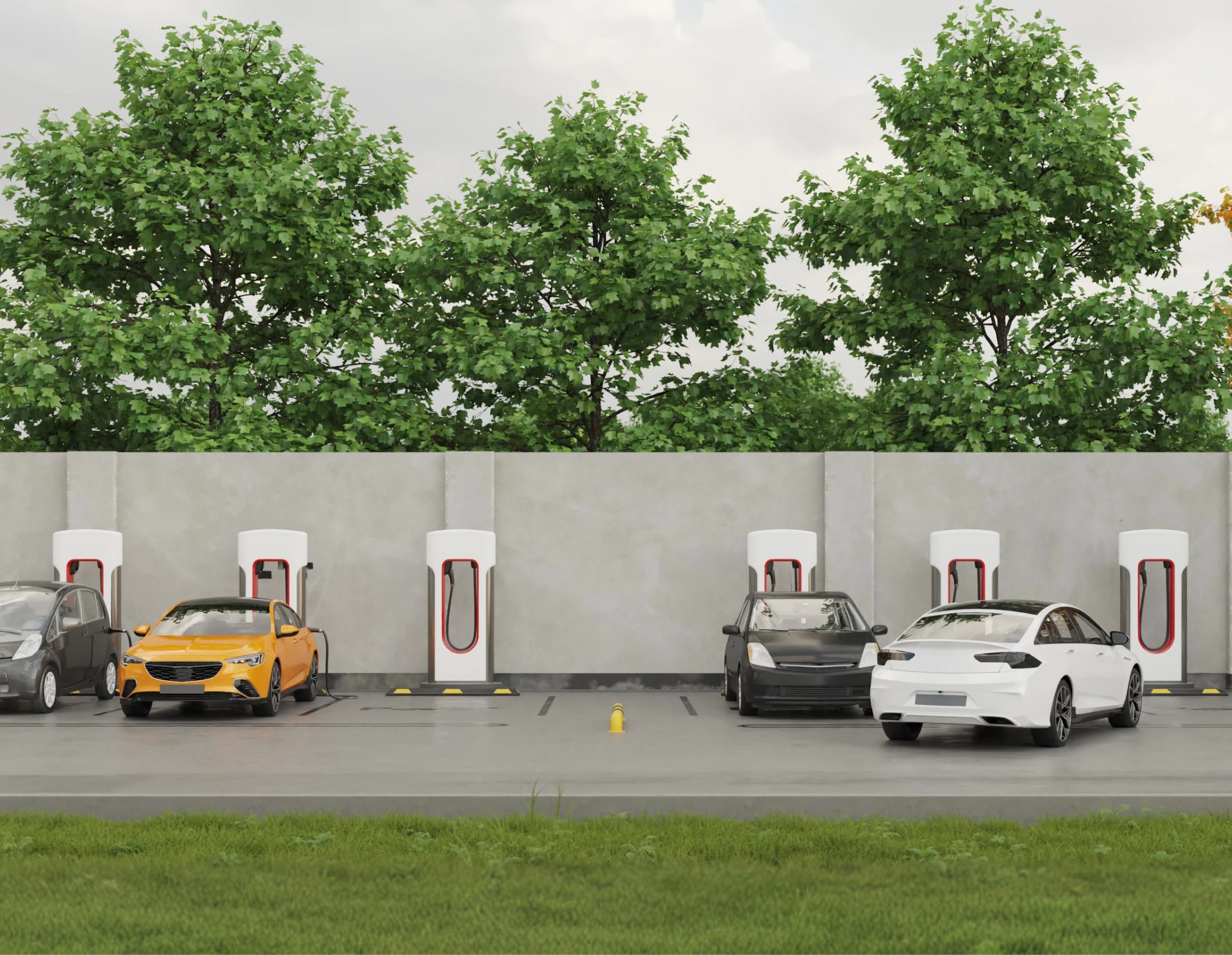
- Supporting environmentally friendly travel: The Company focuses on project locations in transport-oriented areas that are connected to public transportation systems. It also provides bicycle parking spaces, EV Charging Stations, and Shuttle Services from nearby mass transit stations.
- Leveraging technology for faster and more convenient access: The Company deploys License Plate Recognition (LPR) technology and automated parking ticket systems to efficiently reduce building entry and exit times. Real-time traffic display screens are also installed to help customers plan their journeys and ease congestion at queueing areas.
- Ensuring smooth traffic management: The Company manages traffic proactively through a Central Control Room to assess traffic conditions and facilitate seamless customer access to project areas.
- Enhancing travel convenience and smart parking experience: By selecting locations with easy access and strong connectivity to public transportation within a 10-minute walk (where feasible), alongside implementing professional traffic management plans to reduce travel time for the public in and around the entrances/exits and surrounding areas. These plans are regularly integrated and coordinated with traffic police and local traffic volunteers.
Security Connecting Experiences Through Technology and Information Security
- Digital platform ecosystem development: The Company develops a digital platform ecosystem to deliver intelligent experiences that address the needs of all stakeholder groups. The platforms are tailored to each business group and customer objective, enabling convenience across all touchpoints. These include the Central X application for shopping center customers; the Central Pattana Residence application for residents to submit maintenance requests and receive project updates; the SERVE application for tenant services; the central Office application for office tenants and office workers; and integration with digital platforms within the hotel network. Further details are provided in the section on Innovation Management.
- Information security and data privacy: Connecting the ecosystem across all four business groups results in the collection and processing of substantial volumes of information. The Company recognizes the importance of safeguarding business confidentiality and personal privacy. It has established its information security management practices in line with international standards, including ISO/IEC 27001:2013 and the NIST SP 800-53 framework. Furthermore, all platform operations strictly comply with the Personal Data Protection Act (PDPA). The Company adheres to the principle of collecting and using only necessary data to ensure that customer, tenant, resident, and guest information across all business groups is protected against cyber threats at the highest level, while fostering long-term trust in the Company’s digital innovation services.

Raising Service Standards and Listening to Customers
The Company is committed to delivering experiences beyond expectations by developing service standards and integrating them into the Shopping Center Management Manual. This manual follows the principles of organizational quality management system development in accordance with ISO 9001 requirements and serves as a common operational standard across all branches. The Company aims to enhance customer satisfaction, reduce complaints, prevent recurring issues, and cultivate a heartfelt service culture under the concept of “Service with the Heart.” driven through structured personnel management and performance evaluation mechanisms, as follows:
- Raising service personnel standards: The Company sets standards for selecting service personnel in security and cleaning functions by holding meetings with subcontractor executives to clearly communicate its policies. Monthly training is also provided for subcontractor employees, covering theoretical knowledge, simulation exercises or role-play, and on-site field studies. This ensures that employees are familiar with the location and can provide services correctly and professionally.
- Evaluation and quality control: The Company conducts monthly evaluations of service quality for security and cleaning staff through the Mystery Shopper process. Personnel from different branches are assigned to conduct evaluations using a checklist that covers all service touchpoints in a transparent manner.
- Motivation and recognition: The Company focuses on building morale and motivation among subcontractor employees by designating the fourth week of every month as Appreciation Awards Week at each branch. Activities include awarding Service Excellence pins and gift certificates to employees with outstanding annual performance.
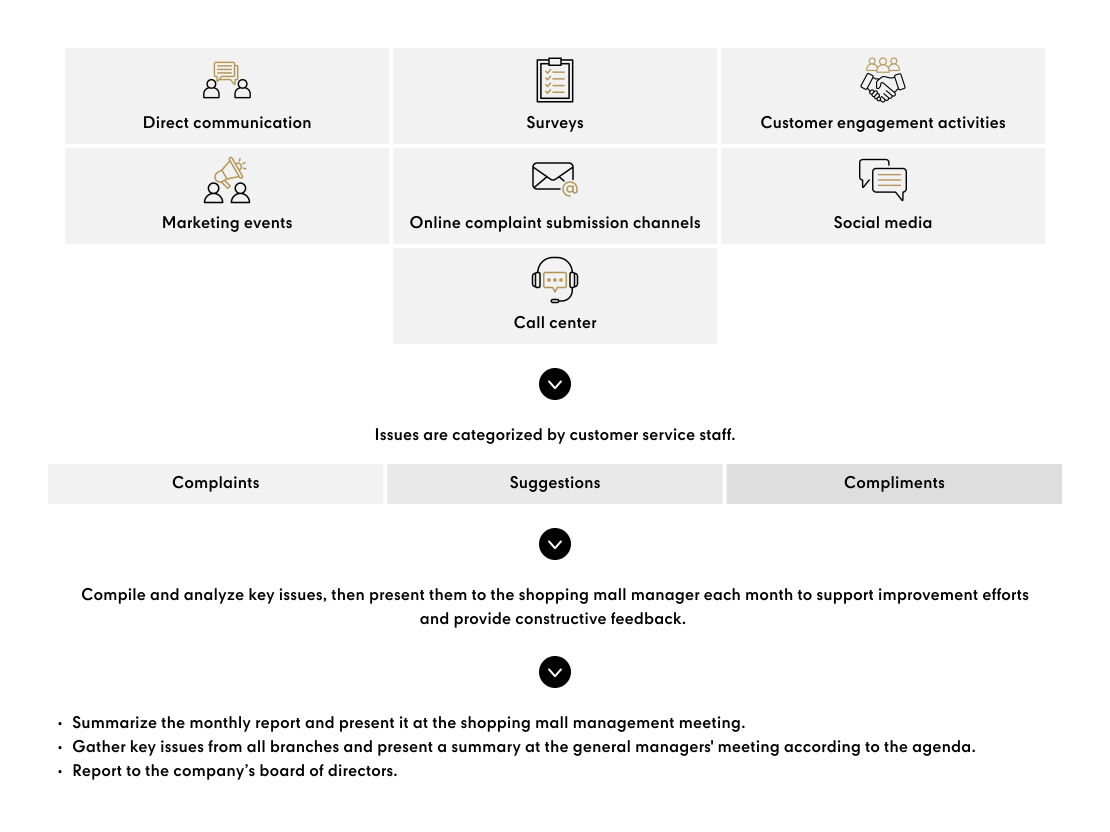
- Omnichannel customer voice listening: The Company has established a process to listen to customer feedback before, during, and after service usage through the Call Center, online channels, receptionists, and real-time QR Code scanning. All feedback and complaints are analyzed and used to improve work plans in a timely manner.
Customer Feedback and Voice of Customer Process
Stakeholders Directly Impacted

Tenants and Lessees (Retail and Offices) and Residential Customers

Customer