
Water and Wastewater
Goal and Performance Highlights
Performance 2025
Goal
2025
- Reduce water withdrawal by 5% compared to 2024.
2030
- Reduce water withdrawal per area by 10% compared to the 2019 base year.
- Achieve a water reuse ratio of 5% compared to total water withdrawal
2034
- Aim to increase the water reuse ratio to 10% compared to total water withdrawal.
Challenges and Opportunities
Physical Challenges and Cost Impact
In the real estate and retail property businesses, water is an essential utility and a critical factor for business continuity. Central Pattana also faces physical risks from increasingly volatile weather conditions, particularly in areas vulnerable to drought, water shortages, and severe flooding, such as the northern and northeastern regions. Without appropriate proactive management, these factors may directly affect operations and lead to significantly higher operating costs.
Operational Challenges and Community Rights Risks
The Company faces the challenge of managing complex and diverse water demand across its shopping centers, both in common areas such as restrooms, green-area watering, and cleaning, and in tenant areas where water use varies by business type, particularly restaurants. Inefficient water management not only increases energy consumption and greenhouse gas emissions, but may also create social and human rights risks if public water is withdrawn without considering community impacts or if wastewater is not managed strictly, potentially leading to contamination of natural water sources and complaints or disputes over water use.
Opportunity to Build Resilience and Shared Value
Amid these challenges, the Company recognizes that an integrated water management system is key to the transition toward sustainability. Improving water-use efficiency and reusing water not only reduce risks and utility costs in a concrete way, but also strengthen the use of renewable resources. Proactive measures to protect water sources and manage wastewater in accordance with recognized standards also build business resilience, strengthen trust with local communities, and enhance the Company's image as a good corporate citizen.
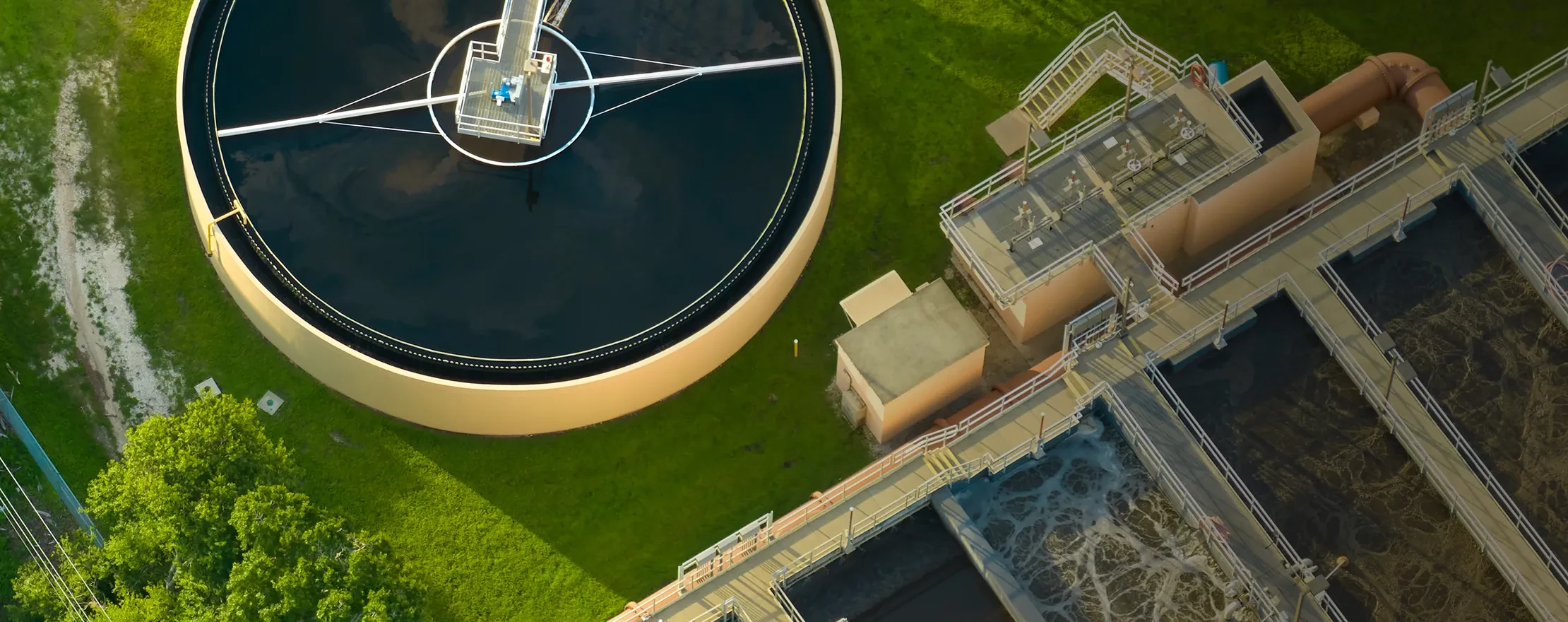
Set up a systematic water management system and take into account the water needs in each area of the shopping center.
Management Approach and Value Creation
The Company is committed to sustainable water and wastewater management, balancing project development, efficient resource use, and environmental stewardship by integrating its water strategy with the roadmap to Net Zero 2050 and the Sustainable Development Goals.
Risk Assessment and Supervision
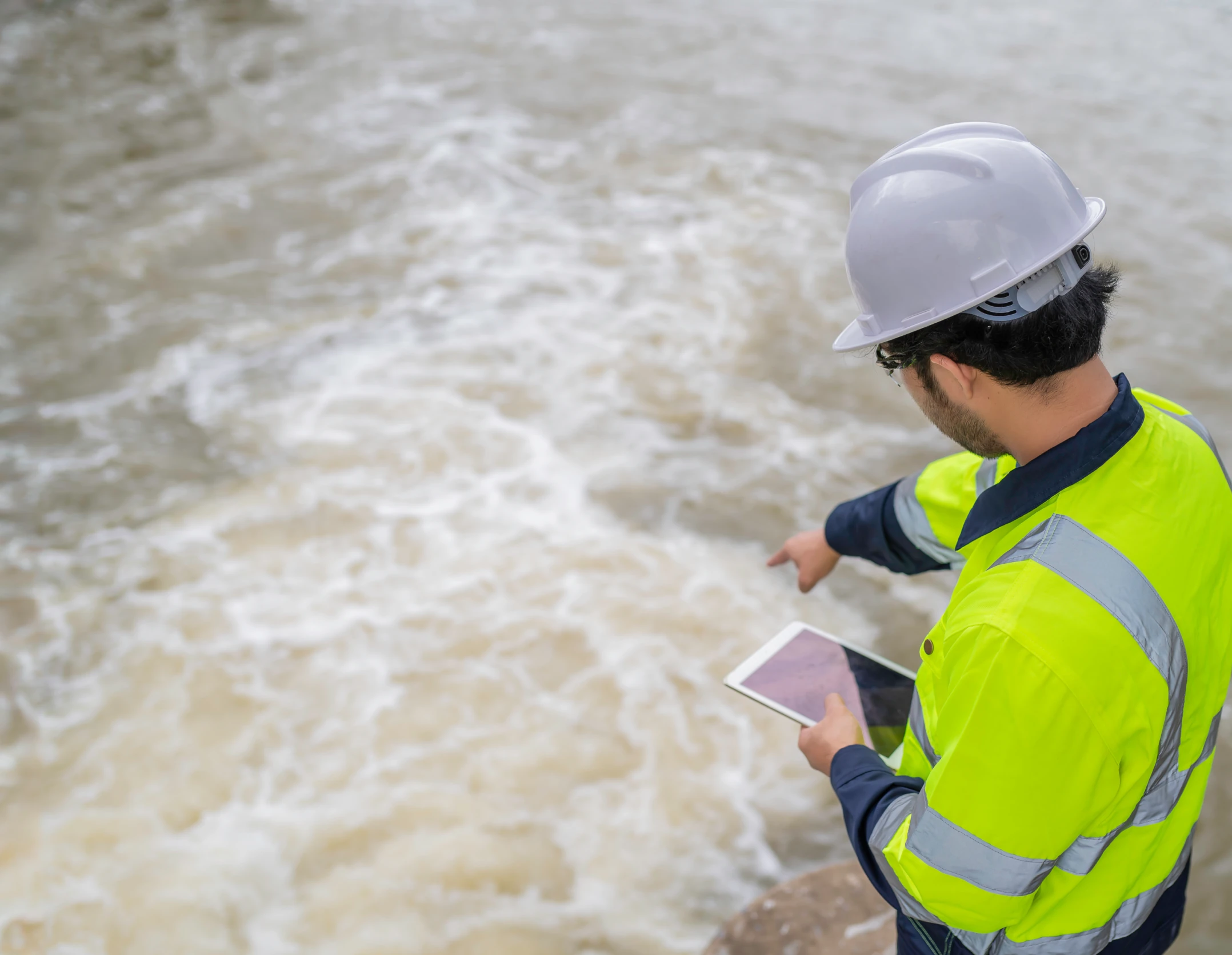
The Company discloses water withdrawal data in accordance with the international GRI 303-1 standard and assesses water-resource risks in its operating areas. Central Pattana has identified Medium-High Risk areas covering the Mekong River Basin and the Chao Phraya River Basin and analyzes these risks together with physical risks from global warming, including El Nino, particularly in the northern and northeastern regions. The Company has therefore prepared systematic drought and flood preparedness plans, with the Climate and Environment Committee responsible for close monitoring and follow-up.
Using Water for Maximum Efficiency and Procuring Alternative Water Sources
The Company efficiently manages water demand both inside buildings and in outside landscaped areas. Driven through the 3Rs principle, seeking alternative water sources and systematic management as follows.
-
Reducing Water Use
- Install high-performance water-saving sanitary ware and sensor faucets in all restrooms, and adjust water flow rates to suit actual usage.
- Applying waterless floor cleaning technology and use the drip irrigation system along with water-saving sprinklers to care for the green areas.
- Innovative ozone technology: the Company uses ozone gas to treat cooling-tower water as a substitute for chemicals. Ozone has strong oxidation properties, helps reduce existing scale buildup, prevents new scale formation, reduces wastewater discharge, and effectively lowers the need for make-up water.
-
Reusing Water
by setting up a system to store and recycle condensed water from cooling and air conditioning systems.
-
Recycling Water
by installing a treatment system and producing recycled water in the shopping center area to recycle treated water for operations in appropriate activities such as sanitation systems and watering plants.
-
Providing Alternative Water Sources
by installing rainwater collection tanks for use within the project, as well as managing the use of groundwater in areas that have been approved and have a license legally to reduce the risk of water shortages.
-
Improving Systematic Efficiency
- System design and testing: Apply efficient water management system design principles by considering water demand both inside and outside the building, as well as the suitability of the area for installing water storage infrastructure. The assessment should also consider the cost-effectiveness of installing a water recycling system. System testing should be conducted, with periodic retesting required within a two-year timeframe.
- Leakage and accumulated water management system: The Company installs water leak detection sensors connected to water pump systems to quickly drain accumulated water and reduce resource loss.
- Tenant water management: Install water usage meters in tenant shop areas to charge expenses according to actual usage. This is a mechanism helps encourage efficient and responsible water use among tenants.

Wastewater Management Standards
The Company has established a system to control wastewater discharge from all activities to prevent any impact on public water sources and surrounding communities, as follows:
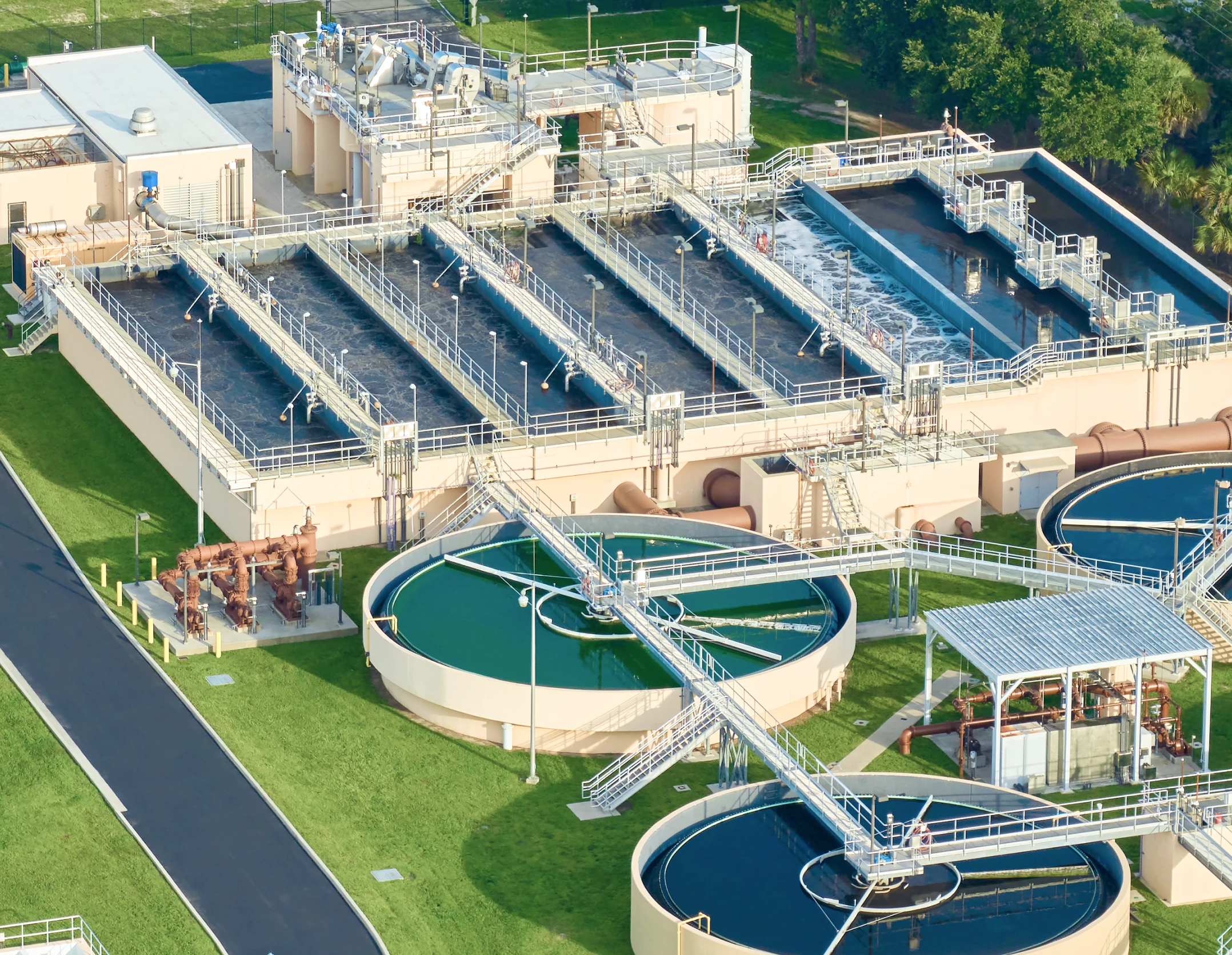
- Advanced wastewater treatment technology: The Company selects technologies appropriate to each local context, including aerated wastewater treatment using activated sludge through Sequencing Batch Reactor (SBR) systems, Deep Shaft systems, and biotechnology to remove grease and odors.
- International-standard quality inspection: Treated wastewater is subject to monthly quality inspections for BOD, TSS, TDS, pH, and Oil & Grease by an external organization certified under ISO/IEC 17025. The system is also strictly maintained in accordance with ISO 14001.
- Emergency management: If water quality does not meet the required criteria, the shopping center conducts inspections, takes corrective action, and immediately reports the issue to the center management team and the environmental committee.
- Upstream wastewater management during construction: The Company strictly controls wastewater quality from construction workers' accommodations and provides knowledge on separating organic waste to produce effective microorganisms (EM) for wastewater treatment and odor control around the project.
Creating Value and Positive Impact
The Company's circular water management guidelines create value and deliver maximum benefits across all dimensions as follows:
- Economic dimension: Reduce the amount of tap water purchased and improve wastewater management efficiency, helping lower utility costs over the long term.
- Environmental dimension: Reduce the extraction of water resources from natural water sources. This also helps reduce hidden greenhouse gas emissions from water production, transportation, and treatment processes, known as the Water-Energy Nexus.
- Social Dimension: Preventing complaint risks , build confidence among customers and tenants, while also protecting the health, safety, and rights of surrounding communities to access clean water sources.
Related Stakeholders

Tenants and Lessees (Retail and Offices) and Residential Customers

Employees

Customer

Suppliers and business partners

