Sustainable Community Development
Goal and Performance Highlights

Performance
Goal
Short Term 2025: 2% Allocate space for the community compared to total shopping center leasable area-days.
Medium Term 2034: 7% Allocate space for the community compared to total shopping center leasable area-days.
Long Term 2050: Appropriate indicators are currently under study.
Performance
Goal
Short Term 2025: 4,700 million baht Communities generate income from community marketing activities held in shopping centers.
Medium Term 2034: 1:20 Adopt Social Return on Investment (SROI) as a new indicator.
Long Term 2050: Appropriate indicators are currently under study.
Performance
Goal
Challenges and Opportunities
Central Pattana Public Company Limited operates across diverse locations and engages with various communities, presenting both challenges and opportunities in achieving sustainable community development. The Company must address the diverse needs of each area, which come with unique characteristics and varying priorities. This necessitates a flexible approach that can be tailored to each local context.
A key challenge lies in developing projects that align with and gain acceptance within the local context. If operations lack flexibility or create negative impacts, they may undermine community trust and social acceptance. The Company must also address structural challenges in measuring social impact, which require effective data collection and analysis. Long-term community engagement is another critical factor that requires the continuous allocation of resources to sustain relationships, build trust, and create shared value.
Amid these challenges, Central Pattana Public Company Limited recognizes an opportunity to transform the crisis into a catalyst for business growth through the Creating Shared Value (CSV) approach. The Company has set business directions that align with community needs, generating mutual benefits for both the organization and society through key areas of operation as follows:
-
Strengthening the Local Economy Company seeks to create sustainable value by empowering local communities through capacity-building programs, resource support, and expanded access to markets. As communities strengthen their capabilities and become integrated into the Company's value chain, these shared benefits can enhance long-term revenue opportunities while reinforcing the Company's business resilience and sustainable growth.
-
Promoting Local Culture and Architecture The Company plays a vital role in preserving and promoting local culture and identity through platforms and initiatives that foster community pride, integrating distinctive local identity with the wisdom of community scholars into contemporary architectural and design elements that respond to modern lifestyles and strengthen the shopping center's unique appeal.
-
Building Relationships and Restoring Society The Company strengthens community relationships by providing forums for dialogue, participating in local activities, and supporting public-benefit initiatives, while caring for vulnerable groups through in-depth social projects such as "Central Sports Club," which supports the HRH Princess Maha Chakri Sirindhorn's BBG project to develop sports skills among children and youth in training and probation centers, restore physical and mental well-being, and create future career opportunities as athletes or coaches.
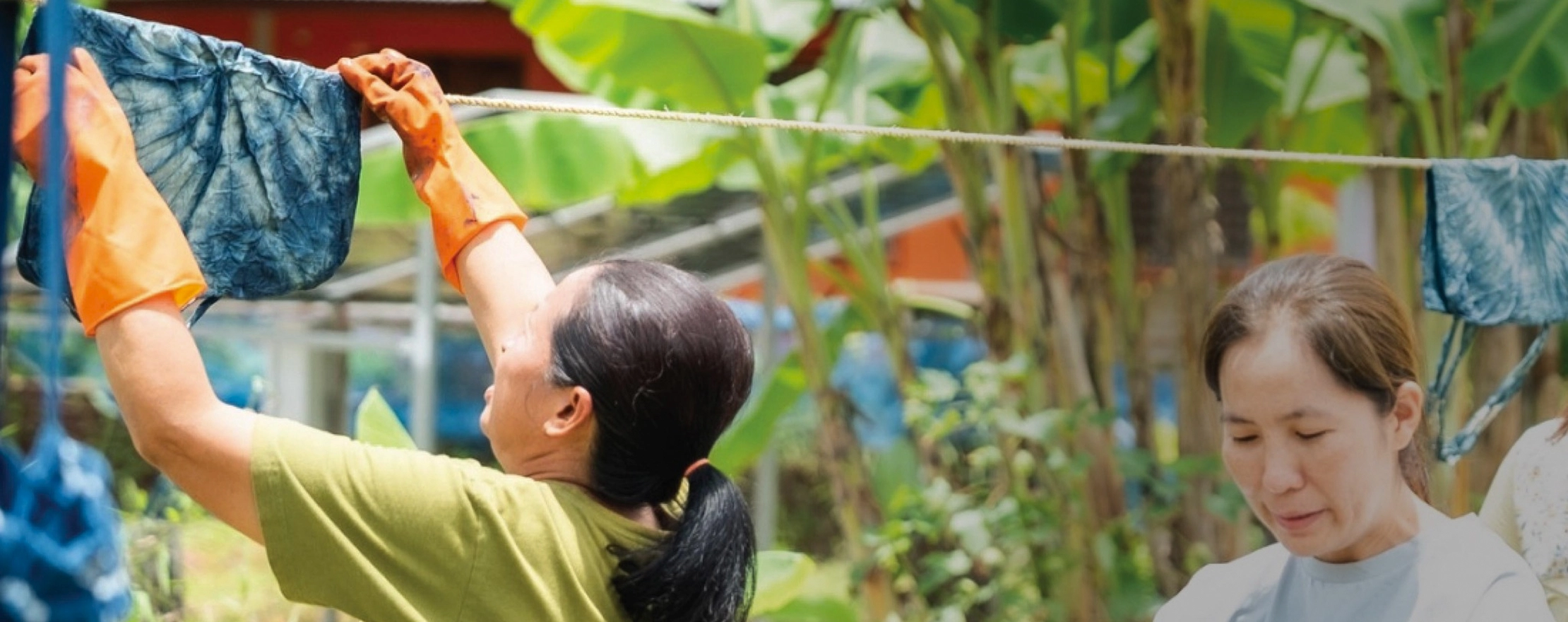
In addition, the Company leverages innovation to develop products, services, and initiatives that effectively address social challenges
and support sustainable community development over the long term.
Management Approach and Value Creation
Central Pattana Public Company Limited believes that business growth must progress alongside sustainable social development. Guided by the vision of being a "Centre of Life," the Company goes beyond real estate development to serve as a catalyst for enhancing community quality of life, creating economic opportunities, and promoting well-being.
The Company has established a community development strategy to create tangible shared value with four groups: (1) communities surrounding projects within an 8-10 kilometer radius, (2) communities in the same or nearby provinces, (3) vulnerable groups requiring special care, such as persons with disabilities, ethnic groups, border communities, children, and youth, and (4) government agencies and social-sector organizations. This approach aligns with the Company mission of Moving Forward Toward Sustainable Co-Creation.
The Company also measures project impacts to assess community quality of life and uses the findings to improve long-term engagement practices, while allocating budgets, human resources, and space in line with sustainable development goals.
Assessing Social Connectivity Through the DIROs Framework
The Company recognizes that the success of real estate and shopping center development is inseparable from the strength of surrounding communities. In defining its social sustainability strategy, the Company applies the DIROs assessment framework to connect business dependencies, impacts, risks, and opportunities related to communities.
-
Dependence on society and community (Dependencies): The Company's business must rely on acceptance from the community as an important foundation, both in terms of space use and access to utilities, as well as reliance on purchasing power and human resources, including local workers and entrepreneurs.
-
Social impacts: Large-scale project development can generate positive impacts, such as job creation, income distribution, and community gathering spaces, while also creating potential negative impacts such as traffic congestion, disruption to traditional ways of life, or impacts on the surrounding environment. The Company is committed to maximizing positive impacts and mitigating negative impacts to the greatest extent possible.
-
Business risks: If the Company overlooks community care and related impacts, this may lead to complaints, disputes, or conflicts that could escalate into opposition to a project, resulting in construction delays or impacts on shopping center image and revenue.
-
Opportunity to create shared value (Opportunities): Application of the Creating Shared Value (CSV) model provides opportunities for the Company to turn vulnerable communities or small entrepreneurs into business partners, such as local product producers, subcontractors, organic farmers, and GI producers. In addition to helping raise the level of the grassroots economy, this also creates indirect income (cross-selling), makes the shopping center stand out, and reduces risks in the supply chain.
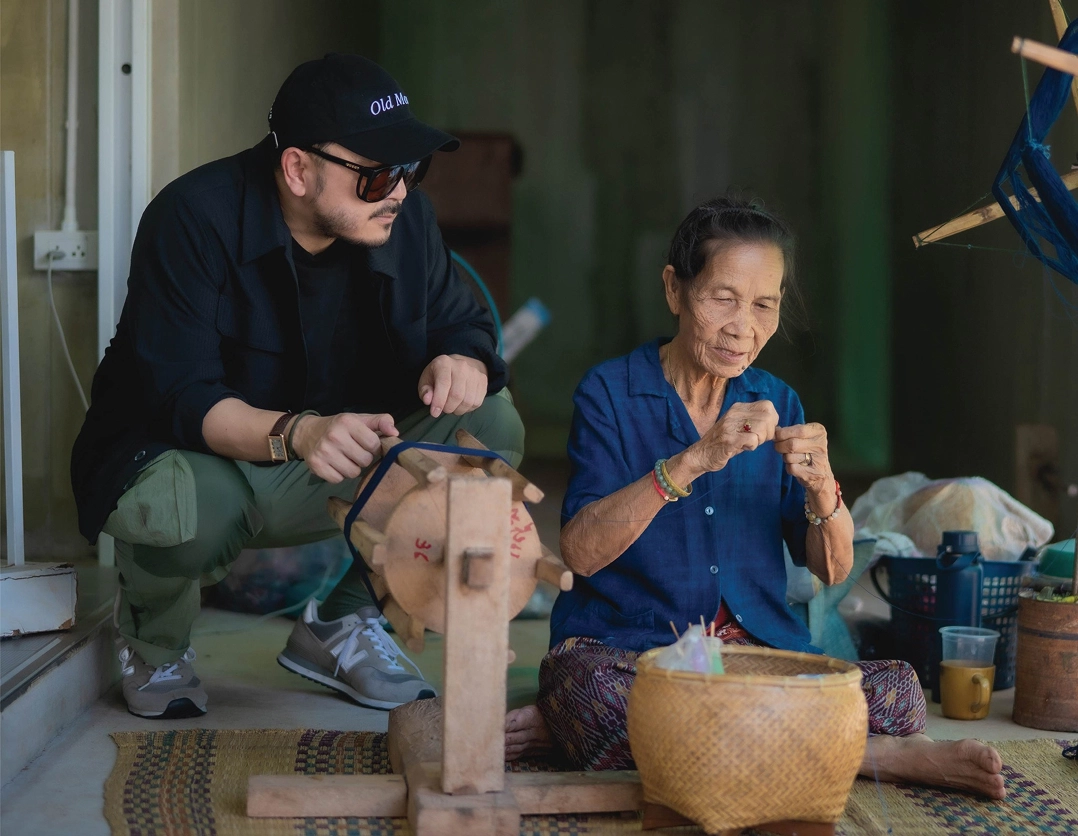
Creating Shared Value with Communities
The Company leverages its assets, resources, and expertise as strategic tools for community development, embedding them into core business processes under the mission of "Moving Forward Toward Sustainable Co-Creation." This approach addresses both the mitigation of potential negative impacts and the creation of positive shared value through four key areas of practice:
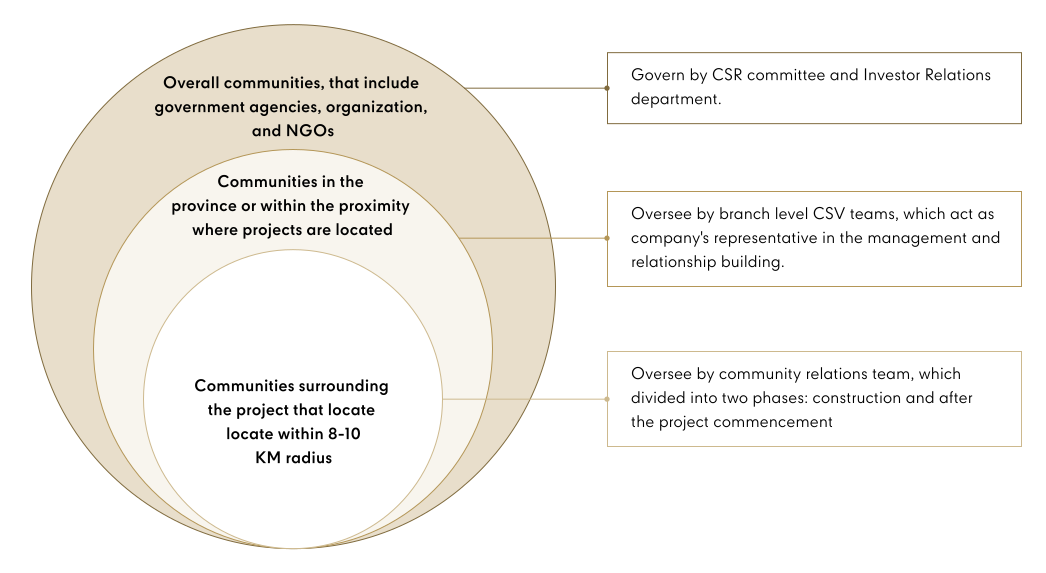
The Company classifies communities by geographic radius to assess risks and design targeted engagement approaches, as follows:
- Within an 8-10 kilometer radius: directly impacted communities, with emphasis on monitoring measures, impact management, and close relationship building.
- Beyond a 10 kilometer radius: regular-user communities, with emphasis on activities that promote quality of life and respond to community needs.
- Provincial and national level: communities where the Company focuses on creating shared economic value, distributing income, and contributing to broader social development.
The Company provides comprehensive listening channels to understand community expectations, including pre-construction public hearings, field visits and group interviews, satisfaction surveys, and online and offline complaint channels such as Call Center, Social Media, Website, and QR codes at designated points.
Channels for Listening to Voices from the Community
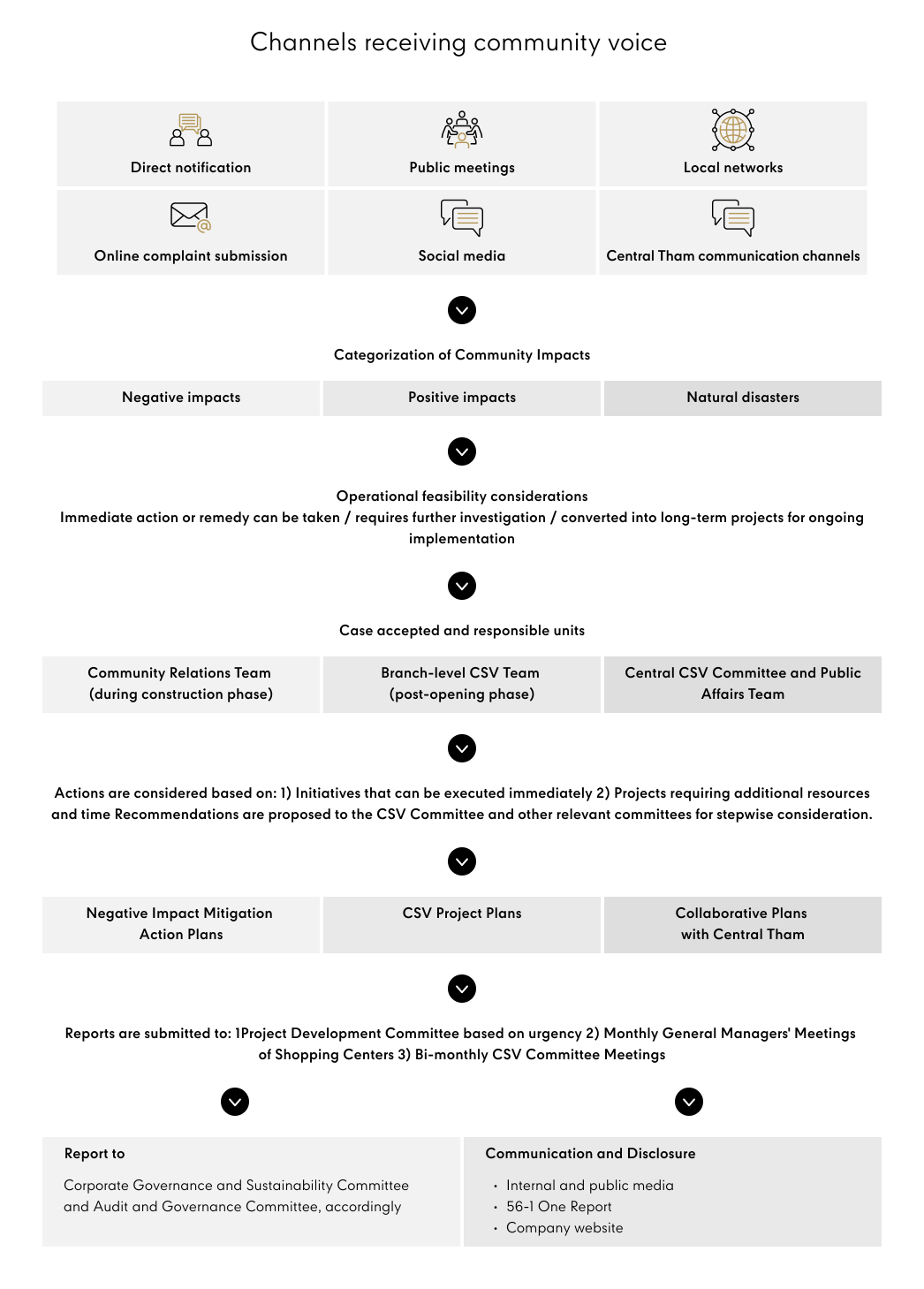
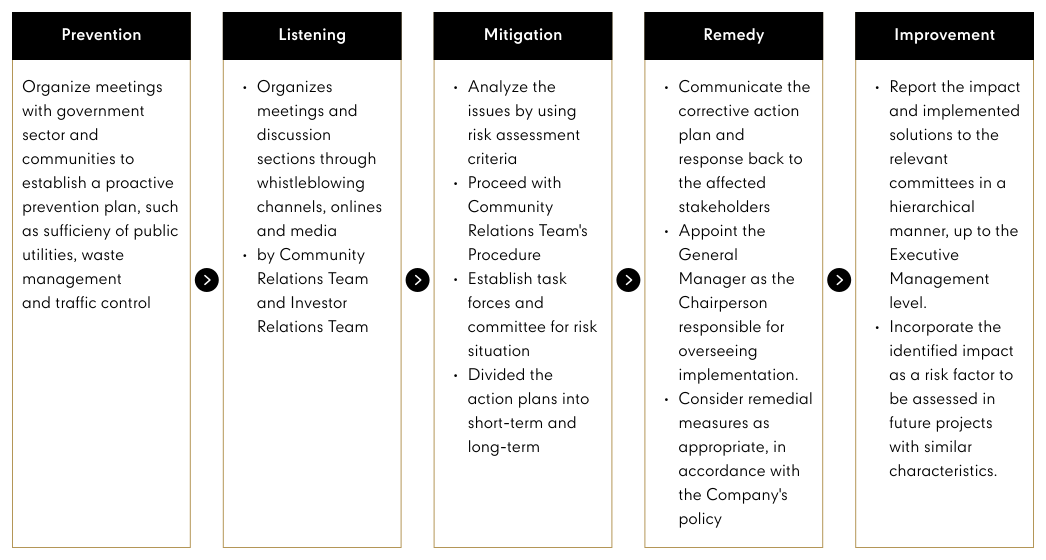
The Company has established a strict plan to mitigate negative impacts on communities, covering both construction and post-opening phases through a five-step mechanism:
- Prevention: Plan and take proactive measures to reduce risk from the beginning.
- Listening and being open to reporting issues and concerns through easily accessible channels.
- Mitigation: Investigate and resolve problems that arise in a timely manner.
- Remedy, compensation and remedies for those affected in a fair and appropriate manner.
- Improvement: The lessons learned are analyzed to improve standards for future projects.
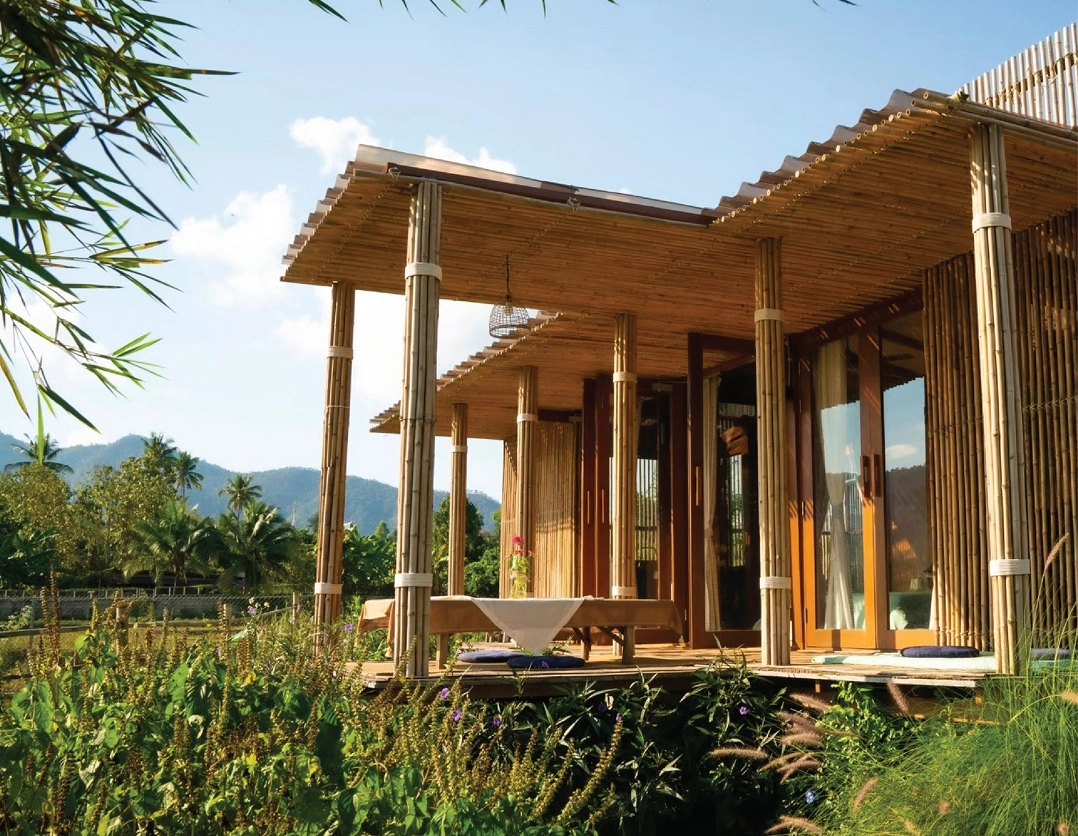
The Company allocates various areas within its shopping centers—including permanent spaces, event spaces, rooftop terraces, and outdoor areas—for public benefit and community well-being, as follows:
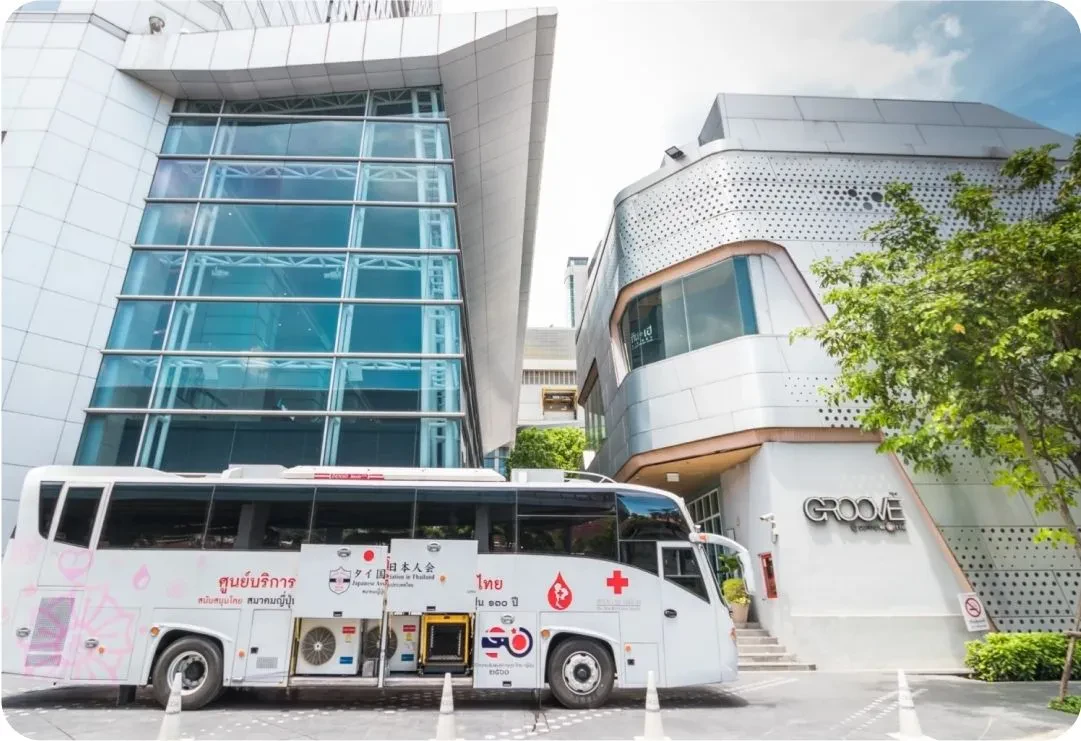
- Public service and public health: In cooperation with the government sector and the Thai Red Cross Society, establish a comprehensive government service center (G Point / Government Center), health station, and permanent blood donation center to reduce congestion in government agencies.
-
Education, sports, and youth:Support areas to serve as learning resources outside the classroom, such as TK Park at Central World, open creative spaces for youth to display their academic and recreational work, and support national sports competition areas.
-
Arts and culture and the maintenance of religion:In collaboration with community scholars and local artists, apply local identity to building architectural design (Eco-cultural Design) and marketing activities. This also promotes the dissemination of local culture by opening areas for religious activities for all religions and Thai heritage conservation work. See details of the shopping center that incorporates local identity into its design here.
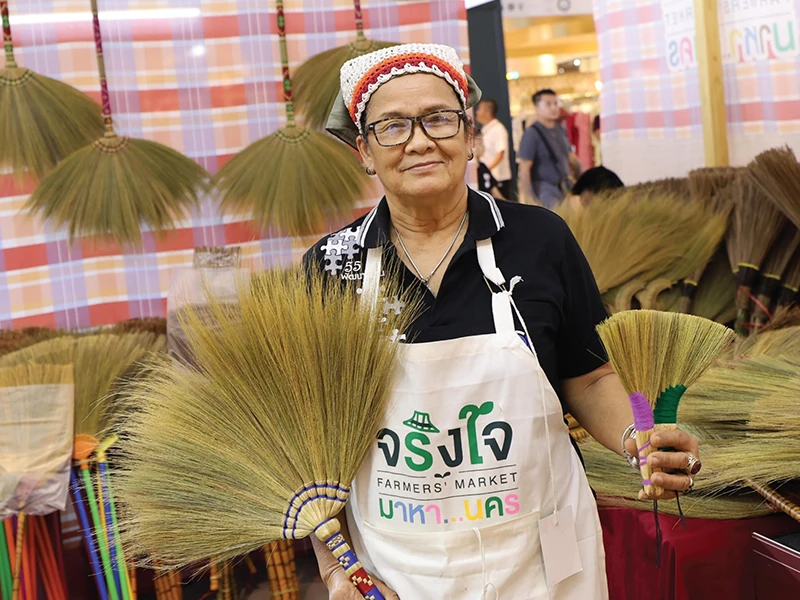
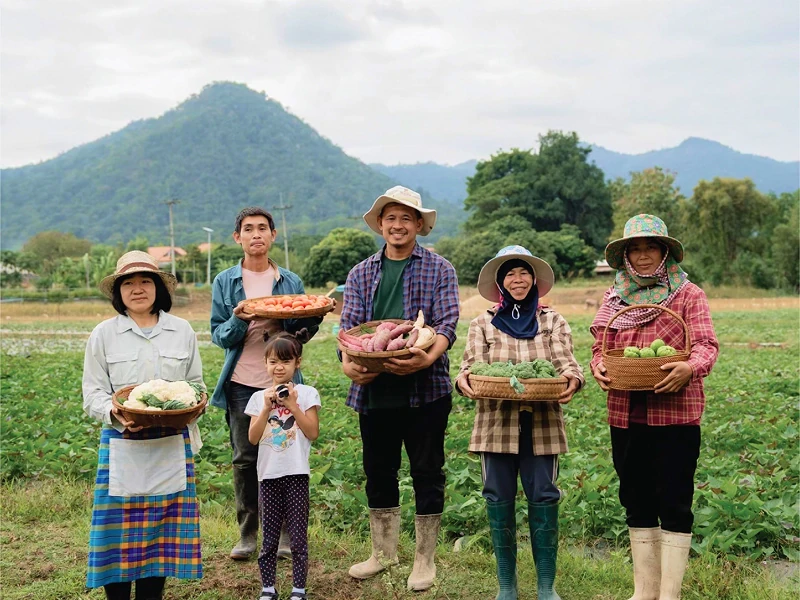
- Job creation and income distribution: Open areas to sell local products, organize marketing promotion activities (OTOP, Farmer Market), including the "Jingjai Farmer Market" project to support organic farmers, and allocate free space for groups of persons with disabilities to legally sell government lottery tickets.
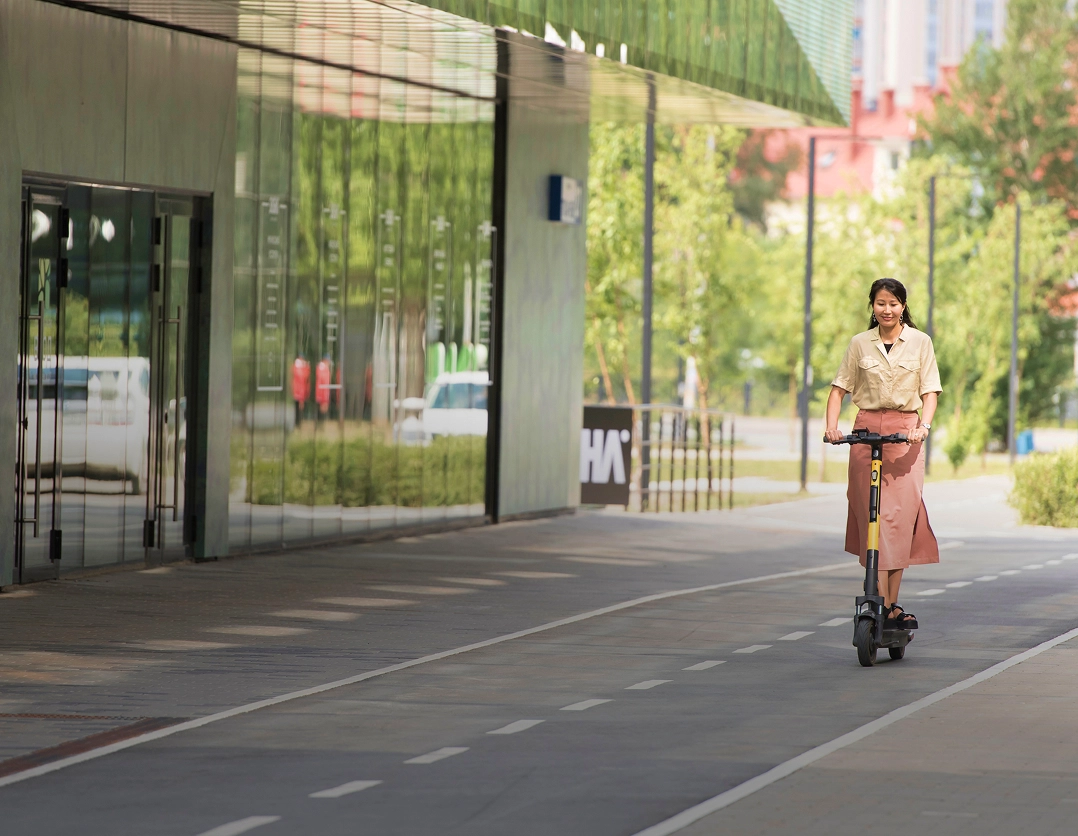
Enhancing the quality of life of communities surrounding shopping centers through infrastructure development in collaboration with the public sector, such as establishing "G Point"
The Company allocates an investment budget and operating budget and promotes employee participation to create a broad positive impact as follows:
- Public infrastructure development: Invest in building and improving infrastructure around shopping centers, such as U-turn bridges, expanding traffic lanes, and dredging canals, and take care of nearby park areas.
- Social-impact procurement: The Company integrates the community economy into its supply chain by purchasing consumables and corporate gifts from community enterprises, hiring persons with disabilities and local organizers, and engaging communities to plant and maintain forests under the "Plant 1 Million Carbon-Absorbing Trees" project.
- Promoting employee participation and volunteerism: The Company not only encourages employees to participate in general volunteer activities (Belief in Actions) but also raises the level of employees to become "Agents driving shared value (CSV Agents)" by organizing workshops that invite employees to represent the community, identify problems, and analyze opportunities to use their expertise to help society. This approach not only responds to the real needs of the community but also creates benefits for the organization.
- Local disaster relief: The Company works with Central Group and the Tiang Chirathivat Foundation on crisis management and mobilizes employee volunteers to support affected communities, enabling timely relief and recovery.
- Developing opportunities for vulnerable groups: Support areas and open job applications for vulnerable groups so they can earn a living according to their abilities and participate in society.
- Promoting community tourism (Go Local, Love Local): Co-design cultural community tourism routes to stimulate the grassroots economy and distribute income to small entrepreneurs in the region.
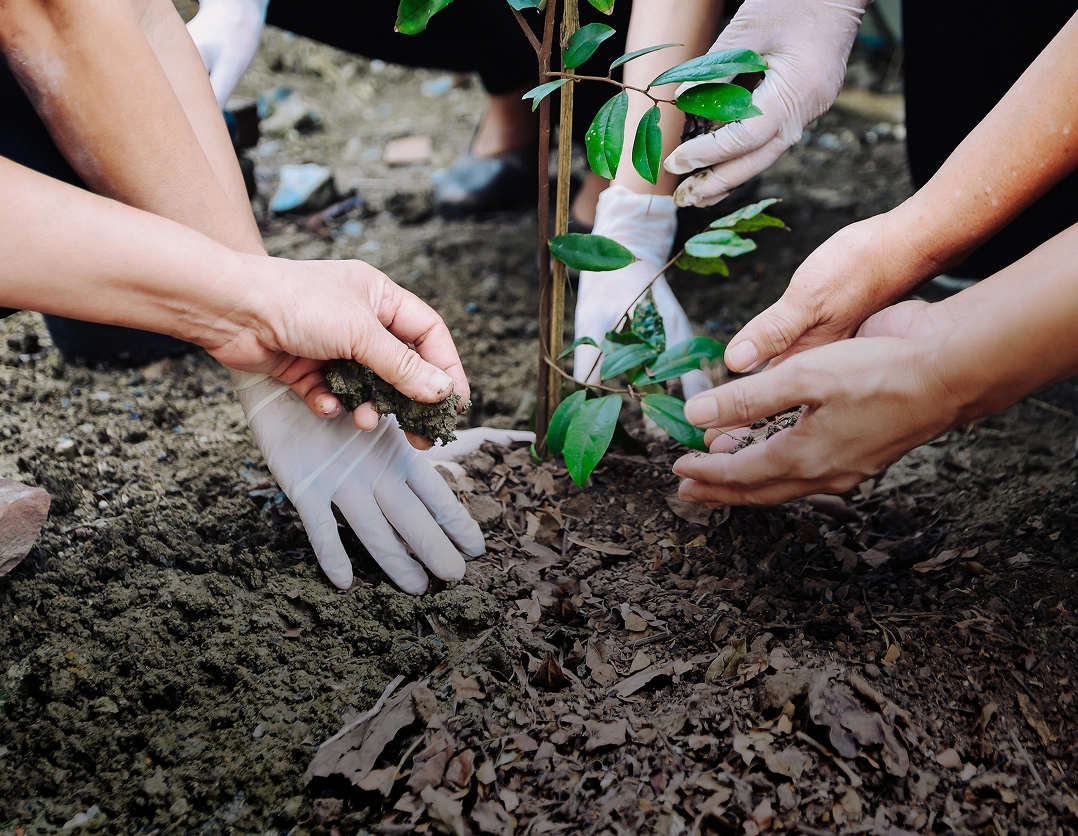
Plant 1 million trees to increase green space and offset carbon emissions.
The Company recognizes that creating positive social impact at a broader level requires a strong resource network. It therefore collaborates with "Central Group" through the "Central Tham" project, a group-level sustainability initiative that drives an integrated community strategy through an ecosystem approach. The program combines the spatial strengths of shopping centers with Central Group's knowledge and network to implement key projects as follows:
- Upgrading the grassroots economy and farmers: Through projects such as the "Jingjai Farmer Market," the Company supports commercial space within shopping centers, while Central Group provides knowledge support and farmer screening to open markets for farmers who grow organic and non-toxic fruits and vegetables, create revolving income, and sustainably develop community quality of life.
- Crisis management and disaster relief: In disaster situations such as floods, the Company works closely with Central Group and the Tiang Chirathivat Foundation to combine forces in systematic crisis management, covering everything from incident response and relief-bag distribution to area restoration and support for affected communities and schools.
- Development of education and rehabilitation of vulnerable groups: Join in driving the reduction of inequality with the Central Project by supporting scholarships and developing learning centers for children and youth in need. In addition, the Company cooperates with Central Sports Club to support His Majesty's Personal Project (BBG), using sports skills as a tool for rehabilitating youth who have made mistakes in correctional institutions so they can receive professional opportunities and return to society with dignity.
- Promoting public health and quality of life at the national level: Join forces with "Central Group" and the "Thai Red Cross Society" to push forward a national blood donation project by using the Company's shopping center areas as hubs for permanent blood donation centers and mobile units. This provides convenience for the public and uses the business location strength to help procure sufficient blood reserves to meet the country's medical needs in times of crisis.
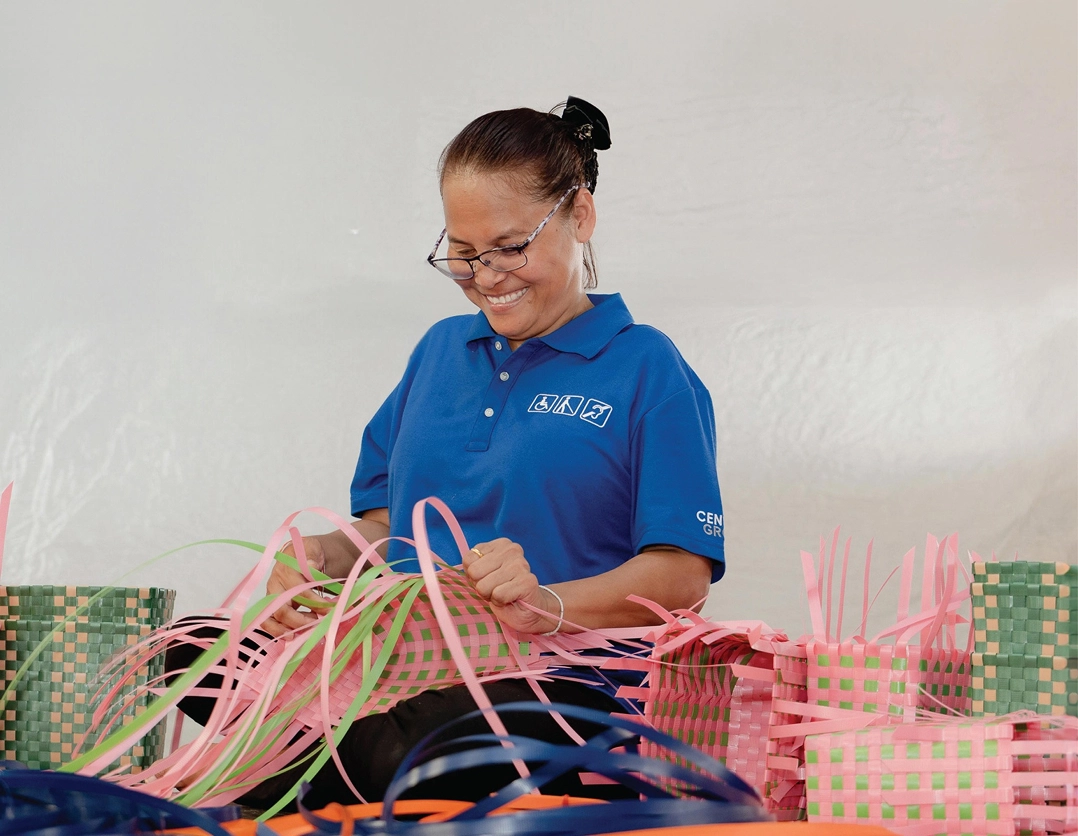
Moving Forward Toward Being a Center of Sustainability
Central Pattana Public Company Limited believes that business growth must go hand in hand with social and environmental responsibility. Through the concept of Creating Shared Value (CSV), the Company continues to help build livable cities, promote local economies, and improve quality of life so that communities can grow alongside the Company in a stable and sustainable way.
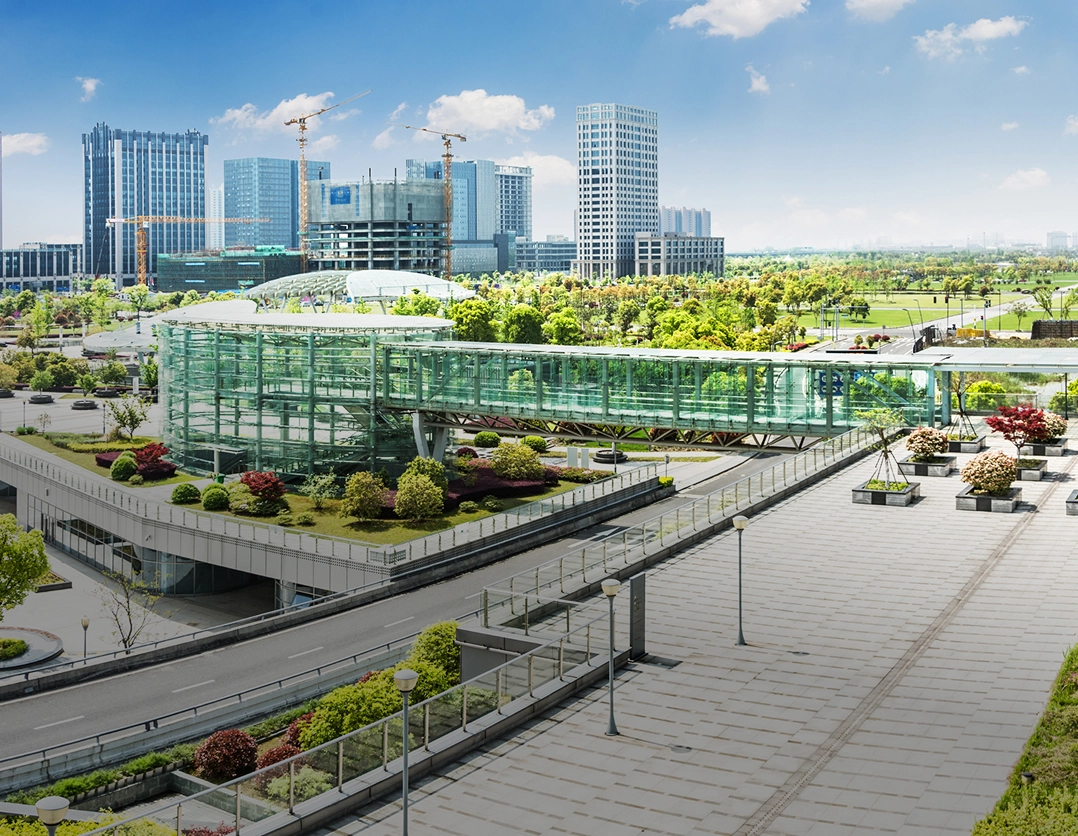
Business growth must go hand in hand with social and environmental responsibility through the concept of Creating Shared Value.
Stakeholders Directly Impacted