Green Building
Goal and Performance Highlights
2025 Performance
Goal
2025 Performance
Goal
2025 Goal: 7%
2026 Goal: 10%
2034 Goal: 20%
Proportion of area certified under LEED, TREES, and other standards as defined by GRESB compared with total area
Governance and Oversight
Central Pattana is not only a real estate developer. The Company aims to lead in setting new green building standards in Thailand by integrating sustainable design concepts into decision-making by the Management Committee and engineering teams. This approach drives all new projects and upgrades existing projects in alignment with international and national standards, such as LEED, TREES, EDGE, WELL Building Standard, and WiredScore, reflecting the Company's commitment to creating sustainable cities and improving building users' quality of life in tangible ways.
Challenges and Opportunities
Central Pattana Public Company Limited is committed to developing green buildings in response to sustainability trends and increasingly stringent environmental requirements. However, this work continues to face physical, cost, and stakeholder engagement challenges across the upstream and downstream value chain. Applying green building technologies and obtaining certifications such as LEED and TREES require high initial investment, the adoption of new technologies, and certification processes. Long-operating projects also face physical and structural limitations when improving efficiency. Driving green buildings to achieve maximum effectiveness therefore requires collaboration from upstream partners, including green-label construction material manufacturers, contractors with expertise in data recording, and retail tenants who understand life-cycle cost reduction, to comply with relevant standards. This makes communication, control, and engagement important challenges.
At the same time, green building projects create important opportunities for Central Pattana Public Company Limited in several areas. Using standards as criteria for construction and design while considering long-term value, together with the Central Pattana Green Partnership project and the implementation of tenant utility standards manuals, helps reduce operating expenses for both shopping centers and tenant stores. It also increases asset value, prepares the Company for stricter legal requirements, and attracts institutional investors that prioritize ESG. Collaboration with stakeholders on sustainability issues further strengthens relationships and creates shared value for all sectors. Green building initiatives are therefore both a risk and an opportunity for organizational development, as well as an important pathway toward future sustainability.
Leadership in green buildings strengthens the Company's image
and reinforces recognition of the Company as an operator that prioritizes environmental responsibility.
Management Approach and Value Creation
Central Pattana Public Company Limited is not only a real estate developer, but also a leader in setting new standards for environmentally friendly and energy-efficient green buildings. The Company's project development not only meets the needs of building users today, but also focuses on creating positive long-term impacts on the environment and society.
Central Pattana Public Company Limited applies energy-efficient and environmentally friendly building development approaches across all projects, using international and national standards such as LEED (Leadership in Energy & Environmental Design) by the U.S. Green Building Council (USGBC), TREES (Thai's Rating of Energy and Environmental Sustainability) by the Thai Green Building Institute, the ASEAN Energy Awards, the Thailand Energy Awards by the Ministry of Energy, and the MEA Index (Management of Energy Achievement Index), an energy-use performance indicator by the Metropolitan Electricity Authority. These standards help the Company design and manage environmentally friendly buildings, reduce impacts on the planet, and maximize energy efficiency.
A list of projects that have received green building certification or other awards is available under Green Building Performance
In addition, Central Pattana has expanded its regional collaboration in green building development through a Memorandum of Understanding (MOU) with BEAM Society Limited and the Hong Kong Green Building Council to promote the adoption of the BEAM Plus standard across new developments, existing buildings, and food and beverage (F&B) spaces. The collaboration supports improvements in energy performance, environmental management, and occupant well-being, while fostering professional capacity building, knowledge exchange, and the integration of green building practices with sustainable finance opportunities. This partnership underscores the Company’s commitment to advancing sustainable real estate development in Thailand.
Long-Term Investment Strategy and Life Cycle Assessment
The Company overcomes short-term cost limitations through a long-term investment vision, using life cycle assessment as a core decision-making framework. Although green building technologies and certifications such as LEED and TREES increase initial investment costs, empirical results confirm that these innovations save energy, reduce water use, and extend equipment life. This significantly lowers operating expenses throughout the building life cycle, delivers worthwhile returns on investment, and sustainably reduces risks from future energy price volatility.
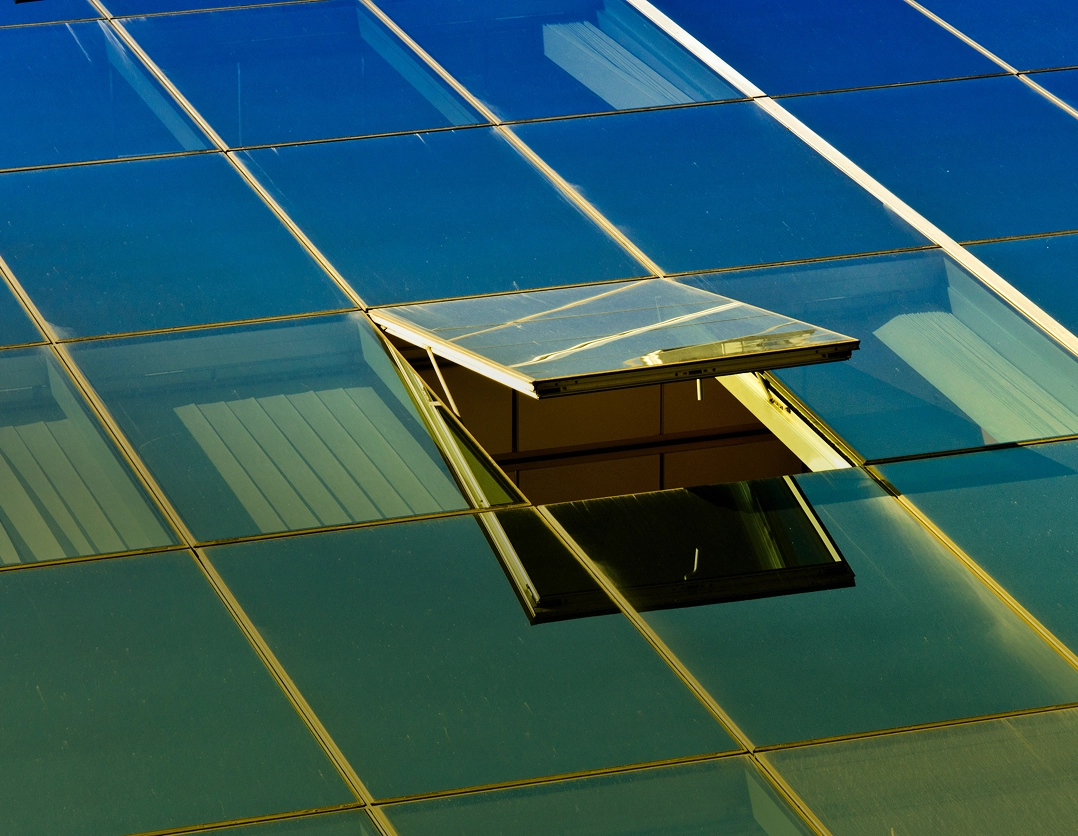
Life-Cycle Approach Across the Building Life Cycle
Covering both common areas and tenant areas, as follows:

-
Smart & Green Design Innovation
Central Pattana studies the feasibility of Building Integrated Photovoltaics (BIPV), which integrates solar panels into building structures. The Company also promotes long-term energy efficiency through designs that support natural airflow, use heat-reflective materials, and incorporate high-efficiency air-conditioning systems.
-
Sustainable Construction Material Procurement
The Company is committed to selecting and procuring environmentally friendly construction materials that are safe for building users' health. It prioritizes materials with lower environmental impacts than other materials that serve the same function, while considering impacts throughout the life cycle of each product or service. The Company implements this approach as follows:
-
Use of Environmentally Certified Materials
The Company prioritizes the procurement of materials certified under environmental standards, such as Thai Green Label, Green Label Plus, and Environmental Product Declaration (EPD). These certifications confirm that the materials have low environmental impacts, are produced through responsible processes, and support indoor air quality. The Company selects low-carbon concrete, recycled steel, and materials with clearly identified carbon footprints to reduce embodied carbon from construction processes, such as eco-friendly cement and recycled concrete, which account for a significant share of greenhouse gas emissions across a building's life cycle.
-
Use of Recycled and Local Materials
The Company prioritizes materials containing recycled content, as well as domestic or regionally sourced materials, to reduce greenhouse gas emissions from transportation and production. Key construction materials used in projects must have manufacturer certifications and clearly state recyclability, demonstrating implementation of the Company's sustainable material procurement approach.
-
Use of Low-Environmental-Impact Materials
To reduce indoor air quality issues caused by interior materials containing volatile organic compounds, which can harm building users' health, the Company selects low-VOC products such as interior paints, adhesives, and sealants. These products must also have safety data sheets from manufacturers or distributors, or test results from accredited agencies, to transparently verify and confirm the materials' environmental and health attributes.
The Company also collaborates with contractors to measure embodied carbon emissions from building construction processes based on internationally recognized methods suitable for the Thai real estate market context.
More information is available at Central Krabi - Thailand's First Prototype of a Sustainable Mall
-
-
Strengthening Tenant Collaboration through the Green Partnership Project
The Company recognizes that green building certifications such as LEED or TREES require tenant collaboration. It has therefore established the "Utility and Building Systems Standards Manual for Retail Stores" as an agreement and set of conditions for store fit-out design aligned with sustainability, covering the following dimensions:
-
Energy Efficiency
Tenant areas are required to use lighting systems with power density not exceeding 11 watts per square meter, use LED lighting with Thailand's No. 5 energy label, and ensure that air-conditioning systems do not use ozone-depleting refrigerants (CFC and HCFC-22).
-
Water Conservation
Tenants are encouraged to use water-saving sanitary fixtures in their stores. For example, washbasin faucets must have a flow rate not exceeding 1.2 liters per minute.
-
Indoor Air Quality and Interior Materials
Tenants must design ventilation systems in accordance with ASHRAE 62.1-2007 and use low-toxic finishing materials that comply with SCAQMD standards. Wooden furniture must contain no urea-formaldehyde or meet E0 level requirements to support users' well-being.
-
We believe that true sustainability begins with collective action. Explore more details in the Green Partnership project.
Elevating Green Buildings for Tenant and Occupant Well-being
Central Pattana views green building development as more than resource management and environmental performance. The Company integrates the promotion of occupant health and well-being as a core element of how its buildings are designed and managed.
Office buildings, in particular, are where tenants and their employees spend a significant part of each day. They must therefore be more than energy-efficient spaces; they must be ecosystems that support the physical health, mental well-being, and quality of life of the people within them. The Company integrates well-being considerations into every stage of the building life cycle, from design and construction to building operations and ongoing tenant engagement, across three key dimensions:
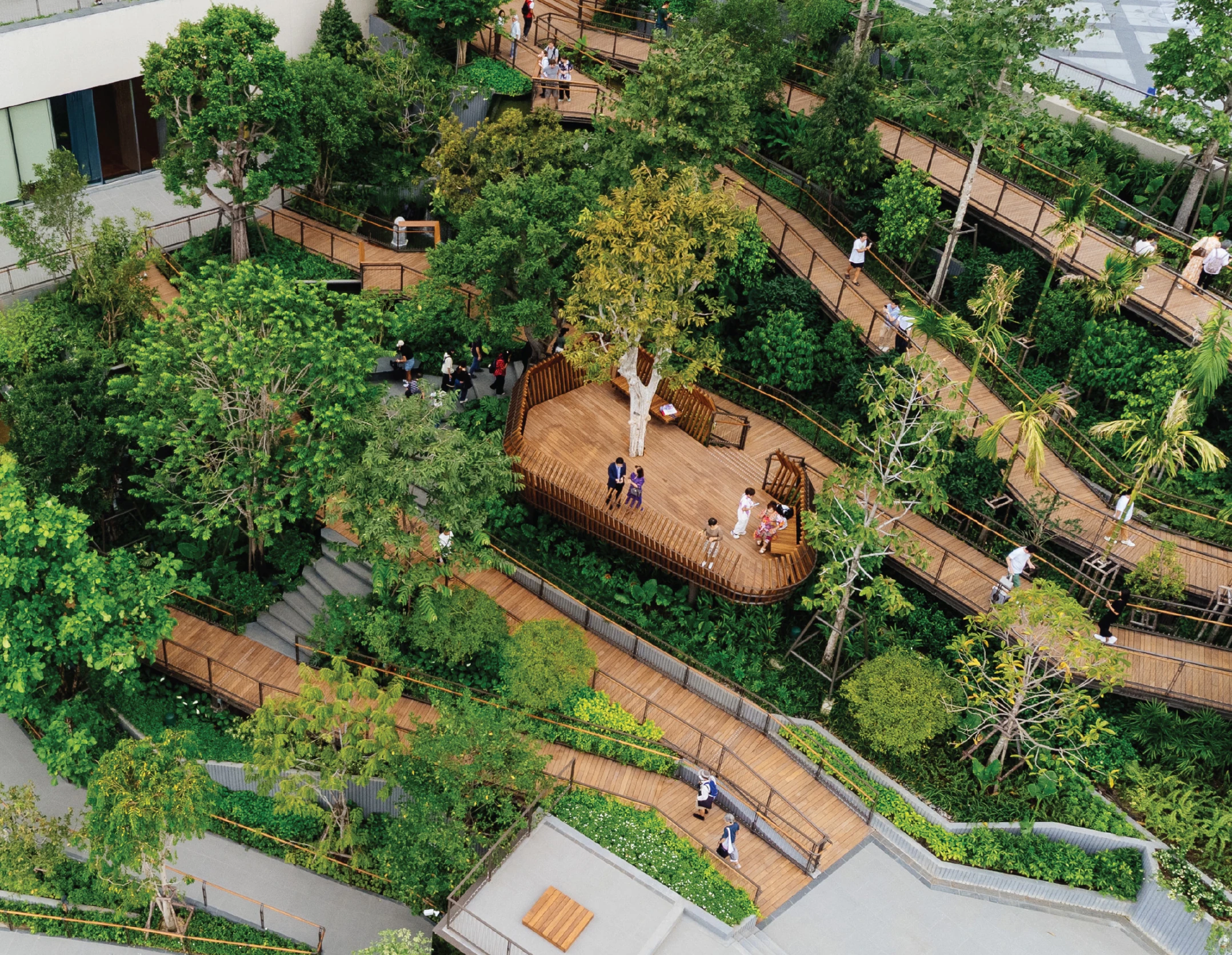
The Company designs highly efficient building ecosystems to create long-term sustainability value.” from the removed “Creating Value through Green Buildings”
Designing and Operating a Healthy Indoor Environment for Tenants and Building Occupants
- Indoor Air Quality (IAQ) Beyond the use of low-VOC and environmentally certified materials described above, indoor air quality is maintained during building operations through effective HVAC and ventilation management that limits outdoor pollutants, together with indoor air quality monitoring to ensure clean and healthy air for tenants and building occupants.
- Water Quality & Access Water quality for both consumption and general use within the building is regularly tested to ensure safe and clean water for building occupants. In addition, the tenant manual requires on-site retail stores to sell only drinking water certified by the Thai Food and Drug Administration (Thai FDA), ensuring convenient access to clean, quality drinking water.
- Lighting & Daylight The Company designs its office buildings to provide occupants with adequate access to natural daylight, complemented by lighting systems suited to working needs, to support visual comfort, well-being, and productivity. For example, at CentralwOrld Offices, glazing accounts for 45% of the façade area. Combined with adequate floor-to-ceiling heights, this allows natural daylight to reach working areas, while dimming controls allow lighting levels to be adjusted to suit different uses.
- Thermal Comfort In addition to high-efficiency air-conditioning for energy performance, HVAC operations in the office buildings prioritize occupant comfort by maintaining appropriate indoor temperature and relative humidity levels throughout the working day.
- Hygiene & Infection Prevention The Company places importance on hygiene management within its buildings to reduce health risks for occupants and build confidence in the use of shared spaces, in line with its goal of applying the WELL Building Standard. For example, CentralwOrld Offices and G Tower have applied the WELL Health-Safety Rating principles in building management to strengthen hygiene measures and reduce the risk of infectious disease transmission within the buildings.
- Healthy Food & Nourishment Tenants have convenient access to a variety of healthy food and beverage options through on-site cafés and restaurants within the project, supporting nutritious food choices and healthy eating habits throughout the working day.
- Movement & Active Lifestyle The Company integrates active design principles by providing facilities that support daily physical activity. Specifically, centralwOrld Offices is equipped with bicycle parking and shower facilities for occupants engaging in physical exercise before or after work.
- Safety & Security The Company prioritizes the safety of tenants and building occupants under both normal and emergency conditions. Measures include security systems, building access control such as turnstiles with facial recognition or card authentication, area surveillance, emergency communication systems, fire protection systems, and evacuation plans. Personal data collected through these systems is managed in accordance with the Company’s privacy policy.
Beyond physical health, Central Pattana places importance on the mental and emotional well-being of tenants by designing indoor environments and spaces that help reduce stress and support a better quality of working life.
- Biophilic Design Building occupants are provided with opportunities to connect with nature through access to natural daylight, green spaces, and natural elements incorporated into the indoor environment. These features help create a relaxing atmosphere and support mental and emotional well-being.
- Rest & Restoration Spaces Shared spaces for rest and relaxation allow tenants to take breaks from work, reduce stress, and recharge throughout the working day.
- Well-being Activities The Company organizes and supports activities that promote the physical and mental well-being of tenants on an ongoing basis, including fitness sessions designed for office workers, after-work relaxation activities such as stretching and sound healing, and preventive health services such as discounted vaccinations in collaboration with healthcare partners. These activities encourage a healthier, more balanced, and more productive working lifestyle, and participant satisfaction is surveyed for each activity.
Central Pattana also fosters social interaction, engagement, and a sense of community within its office buildings, supporting positive relationships and experiences among tenants and building occupants.
- Community Spaces & Activities The Company provides shared spaces that encourage interaction, conversation, and the exchange of ideas among tenants and building occupants, together with activities that help tenants build relationships with one another, as well as opportunities for tenants to showcase their products and services to the building community, fostering a sense of belonging and a socially connected workplace community.
- Tenant Engagement The Company places importance on ongoing communication and engagement with tenants and building occupants. Its office buildings are supported by the CENTRAL OFFICES application, which provides building news, activity announcements, and exclusive privileges for tenants, as well as cardless building entry and guest invitations. In addition, the Company gathers tenant feedback through satisfaction surveys after activities to improve future activities and services, as part of its tenant relationship management.
- Inclusive & Universal Design The building’s common areas are designed based on Universal Design principles to provide equitable and accessible spaces for all users, regardless of age, physical or sensory abilities, and individual needs.
Promoting occupant well-being not only enhances the quality of working life, but also strengthens tenant satisfaction and long-term tenant relationships, forming a foundation for sustaining building value and creating shared value for the Company, its tenants, and building occupants.
Stakeholders Directly Impacted

Tenants and Lessees (Retail and Offices) and Residential Customers

Customers

Suppliers and business partners

Communities / Community representatives including regulators and government bodies, academia and independent organizations

