Climate Mitigation
Goal and Performance Highlights

2025 Performance
Goal
Short term 2025: 22.0%
Reduce Scope 1, 2, and 3 greenhouse gas emissions compared with the 2019 base year.
Short term 2026: 10.0%
Reduce Scope 1, 2, and 3 greenhouse gas emissions compared with the 2024 base year.
Medium term 2034: 50%
Reduce greenhouse gas emissions intensity per unit area compared with the 2024 base year.
Long-term, year 2050: 90%
Reduce greenhouse gas emissions intensity per unit area compared with the 2024 base year.
Challenges and Opportunities
The transition toward a low-carbon economy and the Net Zero target is an urgent agenda that requires continuous investment, both in advanced technologies and collaboration across the value chain. A key challenge for organizations is “transition risks,” including high initial capital expenditure (CAPEX) for implementing greenhouse gas reduction measures, preparedness for increasingly stringent environmental regulations, and potentially higher costs arising from carbon pricing mechanisms. In addition, organizations require in-depth cooperation from partners and tenants to adjust operating models toward green technologies, which may directly affect cost structures, product and service pricing, and rental rates.
Despite these challenges, accelerating improvements in energy efficiency represents an important opportunity to reduce operating expenses (OPEX) in the long term and strengthen competitiveness. Demonstrating a position as a leader in the transition toward low-carbon business enhances stakeholder confidence, attracts environmentally conscious customers, and creates opportunities for organizations to access sustainable finance or green financing with lower financing costs. In addition, focusing on climate-related education for employees helps build a strong foundation, ensuring that all internal stakeholders are ready to serve as a key driving force in achieving this vision.
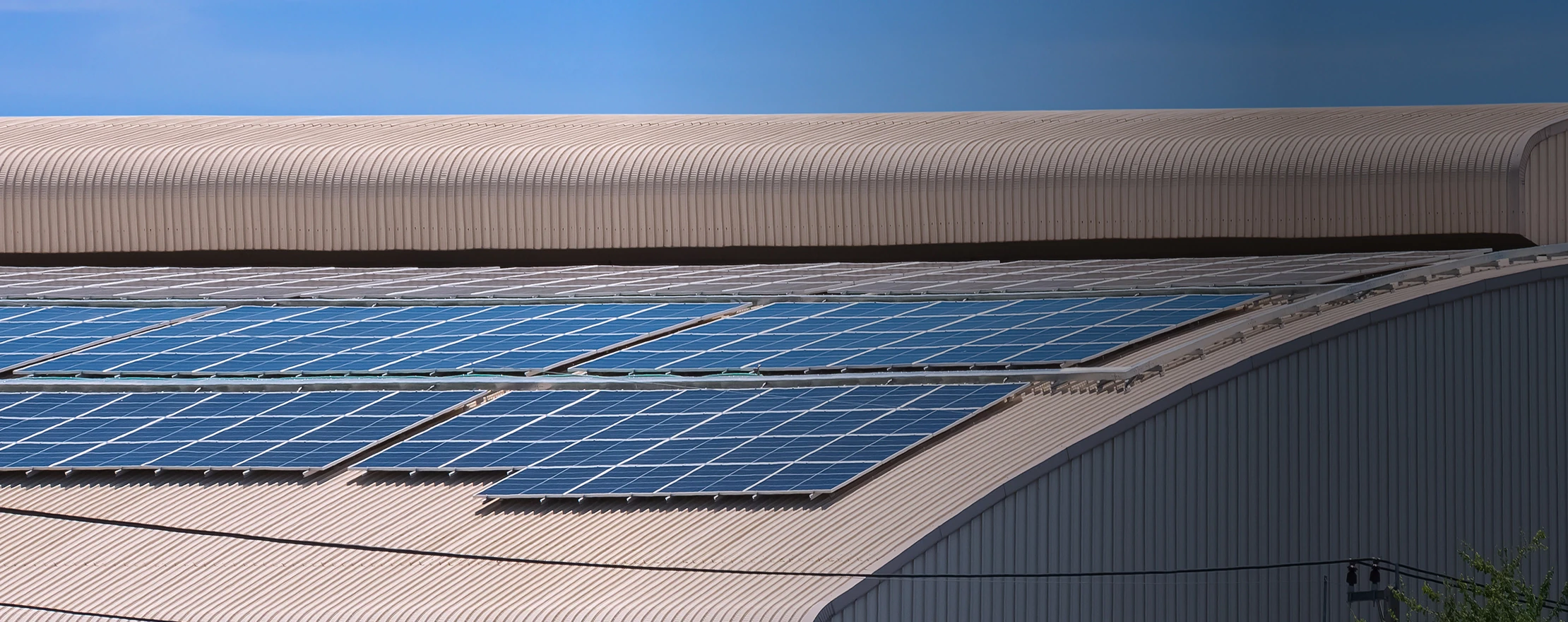
Efficient energy use and reduced resource consumption not only help lower long-term costs
but also strengthen the organization's image as a leader in sustainability
Management Approach and Value Creation
The Company drives climate sustainability through its Climate Mitigation: Journey to Net Zero strategy, focusing on the systematic management of greenhouse gas emissions across Scope 1, 2, and 3, with the aim of extending decarbonization across the entire value chain. The Company integrates climate change issues into its corporate governance structure, business model, and financial planning with reference to international disclosure standards IFRS S1 and S2, in order to build business resilience through the following operating framework:
Climate Risk Management & Strategic Planning
- Integration of risks and scenario (Scenario Analysis) by assessing risks and opportunities in both physical risks (Physical Risks) and transition risks (Transition Risks) covering the short, medium and long term according to the TCFD and IFRS S2 framework by integrating the results of climate scenario analysis into corporate strategic planning. Asset Management and disaster insurance
- Capital Allocation & Green Financing: Evaluate potential financial impacts to plan budget allocation (CAPEX/OPEX) for low carbon projects. Along with joining the project to raise funds through debt instruments and sustainability-linked loans (SLL/SLB) to manage financial costs for maximum efficiency.

Climate Risk Management & Strategic Planning
Transition Plan: Scope 1 & 2 Decarbonization
Focus on reducing greenhouse gas emissions from electricity use according to the Transition Plan through main measures including:
- Smart Building & AI technology innovation by accelerating energy efficiency improvements in shopping centers and office buildings through passive design architecture, management by the building thermal task force, and the installation of Building Management Systems (BMS), as well as upgrading cooling systems to high-efficiency models (Smart HVAC) that integrate AI and IoT technologies (AI Chiller Plant Optimization) to adjust operations in line with real-time cooling loads.
- Clean Energy Transition: As a founding member of the RE100 Thailand Club, the Company is expanding its plan to install solar power generation systems (Solar Rooftop and Solar Carport) across all branches, with new shopping centers designed to incorporate such systems from the initial construction phase, in order to reduce reliance on fossil fuels and mitigate risks from volatile energy costs.

Transition Plan and Carbon Reduction from Operations (Transition Plan: Scope 1 & 2 Decarbonization)
Upgrading the Value Chain and Carbon Management Scope 3 (Value Chain Resilience)
Expand the results of greenhouse gas accounting (GHG Inventory) and assess impacts throughout the value chain according to IFRS S2 requirements due to purchasing construction materials in the upstream part and energy use by tenants in the downstream is the main source of carbon emissions. Therefore, the Company drives close cooperation with external stakeholders such as
- Managing embodied carbon from construction materials (Embodied Carbon) through the application of international green building standards such as LEED, TREES, EDGE, including green building standards accepted by GRESB, along with setting a green procurement policy (Green Procurement) by evaluating and tracking carbon emissions from main materials such as concrete and steel, as well as construction waste management To alleviate the risk of costs from carbon pricing measures in the future.
- Green Lease Policy by encouraging tenants to participate in reducing carbon from the store design according to the store design manual, which has been improved to be in line with international green building standards. It also sets standards for stores to use LED bulbs in store interiors, select electrical appliances with the highest energy-saving performance, and install sub-meters to measure electricity, water, and gas consumption based on actual usage. The policy also covers in-store waste management and separation, requiring tenants to sort waste properly and transfer waste to designated collection points within the specified time periods.
- Cooperation with tenants through the Green Partnership project by collaborating with business partners, retailers, and tenants under the concept of transitioning to a low-carbon business. This includes driving the “Know It, Act on It, Cut It for Real” concept to build basic understanding of Scope 1, Scope 2, and Scope 3 greenhouse gas emissions. We also support tenants with resource usage data for leased areas through the SERVE digital platform, while providing mentoring and strategic planning tools to help reduce in-store energy consumption and lower greenhouse gas emissions over the long term.
- Infrastructure support: Collaborate with partners to expand the network of electric vehicle charging stations (EV Charging Stations) to promote clean transportation for those who service users and customers both in shopping centers Office buildings, hotels and residences

Upgrading the Value Chain and Carbon Management Scope 3 (Value Chain Resilience)
Metrics, Targets & Carbon Offsetting
- The Company has set a clear goal to reach net zero greenhouse gas emissions (Net Zero) by 2050 by raising the level of transparency and accountability to the highest level. The Company has adopted the ISO 14064-1 standard as a framework for tracking and accounting for the organization's carbon footprint. Along with preparing to upgrade the verification of sustainability data to be in line with the international standard ISSA 5000 (International Standard on Sustainability Assurance 5000), which helps build confidence among stakeholders in the accuracy and accuracy of performance reporting.
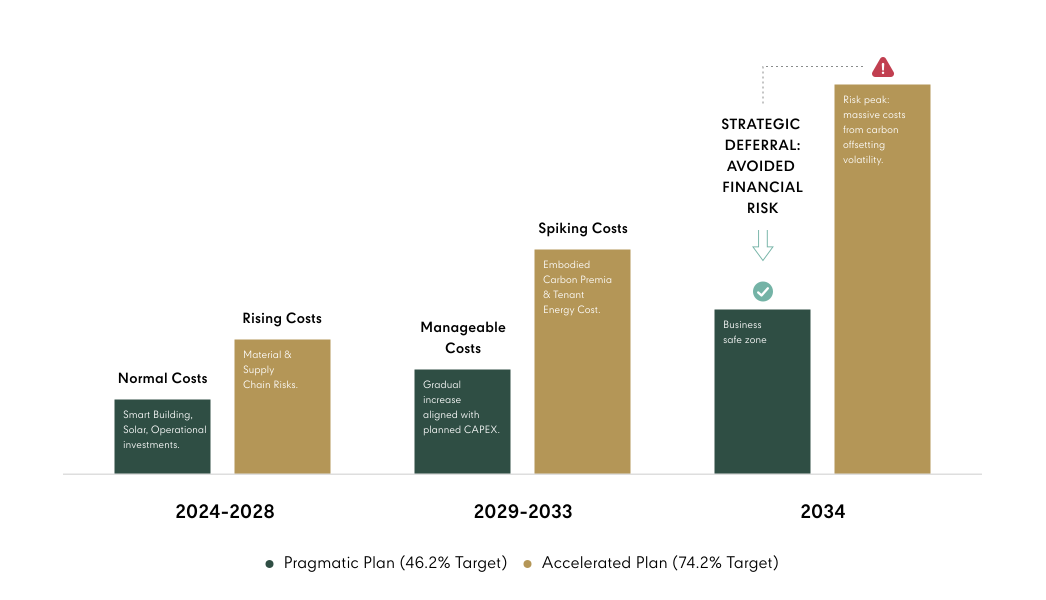
- Alignment with Science Principles (SBTi Alignment) In driving towards the 2050 goal, the Company has assessed and created a carbon reduction path (Internal Pathway) and upgraded it to a Climate Transition Plan that is consistent with the goal of limiting global temperature to no more than 1.5 degrees Celsius based on SBTi's methodology. The Board of Directors resolved to maintain the medium-term Scope 1 & 2 reduction target of 46.2 percent, which is the most challenging target under the current supply chain potential, along with careful financial risk management (Strategic Deferral) while waiting for clarification of international real estate sector criteria.
- Carbon Offsetting: For the emissions of greenhouse gases that cannot be avoided (Residual Emissions), the Company plans compensation strategies in 4 ways: (1) purchasing electricity with green electricity tariffs from renewable energy (Utility Green Tariff), (2) purchasing certificates of rights to produce electricity from renewable energy (I-RECs or International Renewable Energy Certificates), (3) offsetting with carbon credits that meet internationally accepted standards, and (4) carbon capture using natural methods. (Nature-based Solutions) through the "1 Million Trees" reforestation project to guarantee the sustainable achievement of the plan's goals.

Metrics, Targets & Carbon Offsetting
Assessment of Greenhouse Gas Reduction Pathways Based on Scientific Principles (Science-Based Pathway Alignment)
The Company drives climate sustainability through its Climate Mitigation: Journey to Net Zero strategy, focusing on the systematic management of greenhouse gas emissions across Scope 1, 2, and 3, with the aim of extending decarbonization across the entire value chain. The Company integrates climate change issues into its corporate governance structure, business model, and financial planning with reference to disclosure standards IFRS S1 and S2, in order to build business resilience through the following operating framework:
Transition Risk Scenario Analysis: 2024–2034
Financial Implications of Pragmatic vs. Accelerated GHG Reduction Targets
Net Zero 2050 Decarbonization Pathway
Reducing Emissions Across Operations and the Value Chain
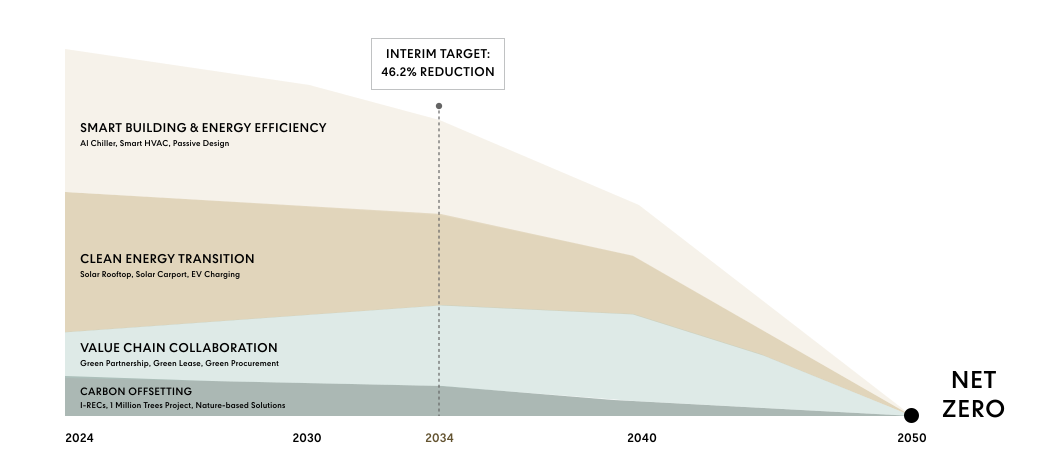
The Company is committed to reducing greenhouse gas emissions in line with the goal of limiting global temperature increases to no more than 1.5 degrees Celsius by applying the methodology of the Science Based Targets initiative (SBTi) as a framework for calculating and creating an internal decarbonization trajectory as shown in the graph above. The Corporate Governance and Sustainable Development Committee (CGSD Committee) resolved that the Company remains committed to our GHG reduction target of 46.2% within 10 years (compared to the base year). This target is considered challenging and reflects the Company’s Maximum Ambition within the current industry context.
Validation Status & Systemic Challenges
Following the latest update of SBTi's standard requirements for the building and real estate business sector (SBTi Building Sector Guidance), the Company conducted an in-depth impact assessment and found that the revised criteria are significantly stronger. In particular, the updated guidance accelerates the expansion of greenhouse gas reduction requirements to cover Scope 3 emissions. To drive the strategy based on actual feasibility, or a Pragmatic Approach, and in line with good governance principles, the Company has made a strategic decision to delay the application for SBTi target certification, referred to as a Strategic Deferral, based on three important factors as follows:
- Challenges in upgrading the downstream value chain (Downstream Value Chain Readiness) The new regulations have raised the level of greenhouse gas reduction targets covering tenant electricity use (Scope 3 Category 13), which requires a reduction rate as high as 7.42% per year. However, energy consumption in shopping centers has a direct positive relationship with foot traffic and economic recovery. Although the Company has initiated the Green Partnership project to support tenants, broader changes in tenant behavior and cost structures still require more time and more systematic support mechanisms than currently available.
- Limitations of the construction materials market and procurement governance (Supply Chain Maturity & Procurement Governance). Expanding the target to cover embodied carbon (Embodied Carbon) from main construction materials remains an industry-wide challenge. At present, only a limited number of domestic manufacturers can provide Environmental Product Declarations (EPDs) or product-level environmental impact data. Immediate enforcement of such requirements could limit supplier participation and create risks of market concentration, which would be inconsistent with the Company’s good governance principles on fair competition. To prepare the organization and business partners for this transition, the Company has issued Green Procurement Guidelines as a first step in supporting partners to gradually adapt in a sustainable manner.
- Context of Carbon Market Mechanisms and National Regulations (Regulatory Landscape & Carbon Market Mechanisms) The current SBTi framework supports only certain types of international market mechanisms for carbon offsetting, such as RECs, Verra, and Gold Standard, and does not yet cover the domestic carbon credit mechanism, T-VER, where the Company has already made proactive investments through reforestation projects. At the same time, national policies, including the draft Climate Change Act and the liberalization of electricity transmission lines through Third Party Access (TPA), remain in a transitional period. Accelerating SBTi timeframe commitments under current renewable energy supply constraints could create additional financial costs that are higher than necessary, without generating additional positive environmental impacts in practice.
Commitment to Reducing Greenhouse Gas Emissions

About CPNGG
Central Pattana Public Company Limited continues to pursue business growth alongside efforts to reduce environmental impacts through the establishment of Central Pattana Green Growth Company Limited (CPNGG), a wholly owned subsidiary in which Central Pattana holds a 100% equity interest.
CPNGG has been established as a key mechanism for implementing Central Pattana’s Climate Transition Plan and supporting the Company’s tangible transition toward a low-carbon economy.
CPNGG is responsible for developing, investing in, and managing projects related to clean energy, energy efficiency, green buildings, and greenhouse gas emissions reduction. These initiatives are designed to strengthen business competitiveness, mitigate risks arising from energy cost volatility, and create new business opportunities that support sustainable long-term growth.

Central Pattana Green Growth Advances THB 1.8 Billion Investment to Drive the Transition to a Low-Carbon Economy and Sustainable Business Growth
Investment Target
-

Cumulative investment target (2026–2030) THB 1.8 billion
-

Cumulative energy cost savings THB 1.656 billion
-

Greenhouse gas emissions reduction more than 174,850 tCO2e
CPNGG targets cumulative investment of THB 1.8 billion during 2026–2030. The investment will cover projects that directly contribute to the reduction of Scope 1, Scope 2, and Scope 3 greenhouse gas emissions.
In addition to reducing reliance on grid-supplied electricity, these projects will enhance resource efficiency and strengthen business resilience against energy-related risks and the impacts of climate change.
Key initiatives include:


CPNGG also aims to create new business opportunities by leveraging Central Pattana’s knowledge and experience in managing shopping centers, office buildings, and real estate developments to provide sustainability advisory services.
These services will cover energy management, green building development, carbon footprint assessment and reporting, as well as greenhouse gas emissions reduction planning for organizations and buildings. The objective is to support customers, suppliers, tenants, business partners, and other stakeholders in improving sustainability performance collectively across the value chain.
Through projects implemented under CPNGG, Central Pattana expects to achieve cumulative energy cost savings of more than THB 1.656 billion and reduce greenhouse gas emissions by more than 174,850 tonnes of carbon dioxide equivalent (tCO2e) within five years.
Governance and Progress Monitoring
Progress against the investment plan will be reviewed annually through the Company’s capital allocation and sustainability governance processes. This is to ensure that approved projects remain aligned with Central Pattana’s strategic objectives, climate-related targets, and enterprise risk management criteria.
Central Pattana plans to disclose approved budgets, actual expenditures and capital investments, implementation progress, and the resulting energy savings and greenhouse gas emissions reductions.
These disclosures will enable investors and stakeholders to monitor the connection between the Company’s climate objectives, capital allocation, project implementation, and actual outcomes. They will also support the Company’s preparedness for future disclosures in accordance with IFRS S1, IFRS S2, and Thailand’s forthcoming sustainability disclosure requirements.
The Path Forward of the Company
Although the submission for validation has been deferred, the Company’s sustainability direction and commitment have not been diminished. The Company will continue to invest in low-carbon technologies to achieve its intended greenhouse gas reduction target of 46.2% and closely monitor the development of the SBTi Building Sector criteria in order to assess its readiness and the appropriate timing for future validation submission. The Company will also study and apply other international Net Zero standards that offer flexibility and align with Thailand’s energy transition context, reaffirming its transparency and continued potential to be a leader in sustainability.
Stakeholders Directly Impacted

Tenants and Residential Project Customers (Tenants, Lesses & Residential Customers)

Employees

Customers

Suppliers & Business Partners

Communities / Community Representatives Including Regulators and Government Bodies, Academia and Independent Organizations

Shareholders