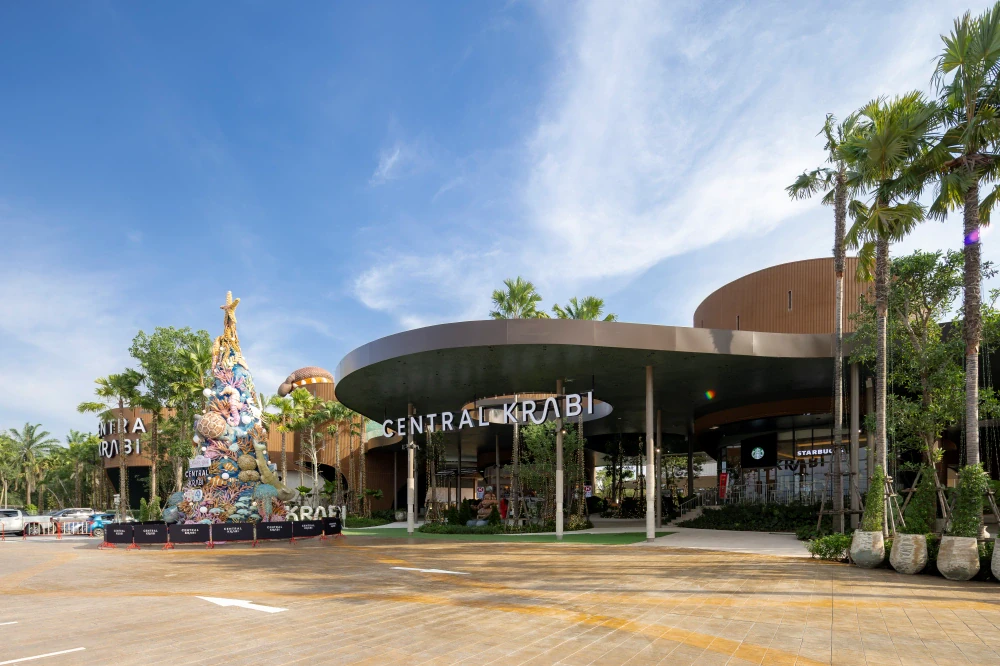
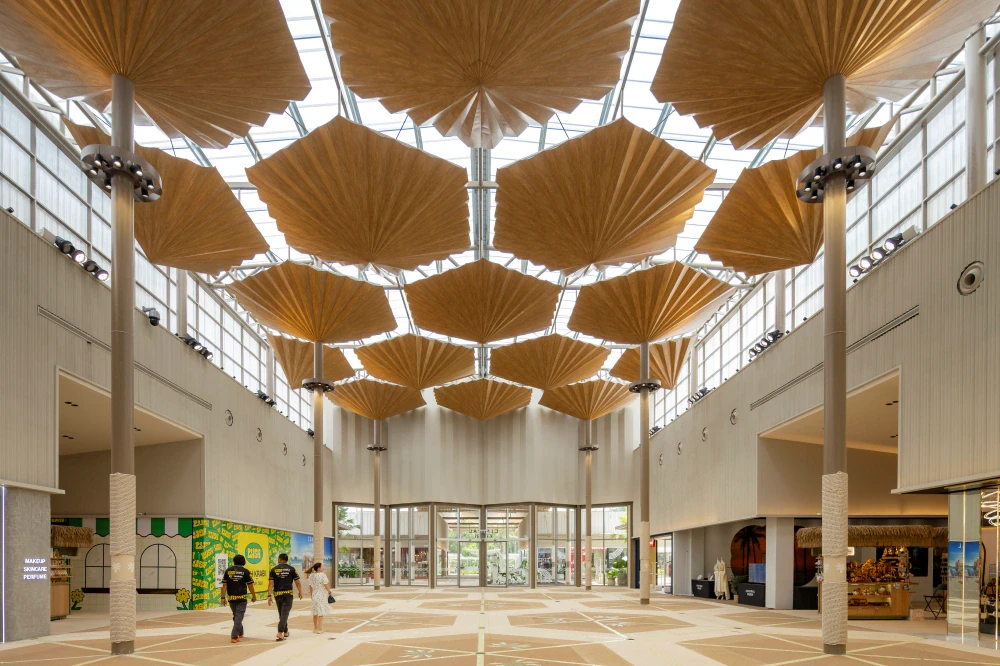
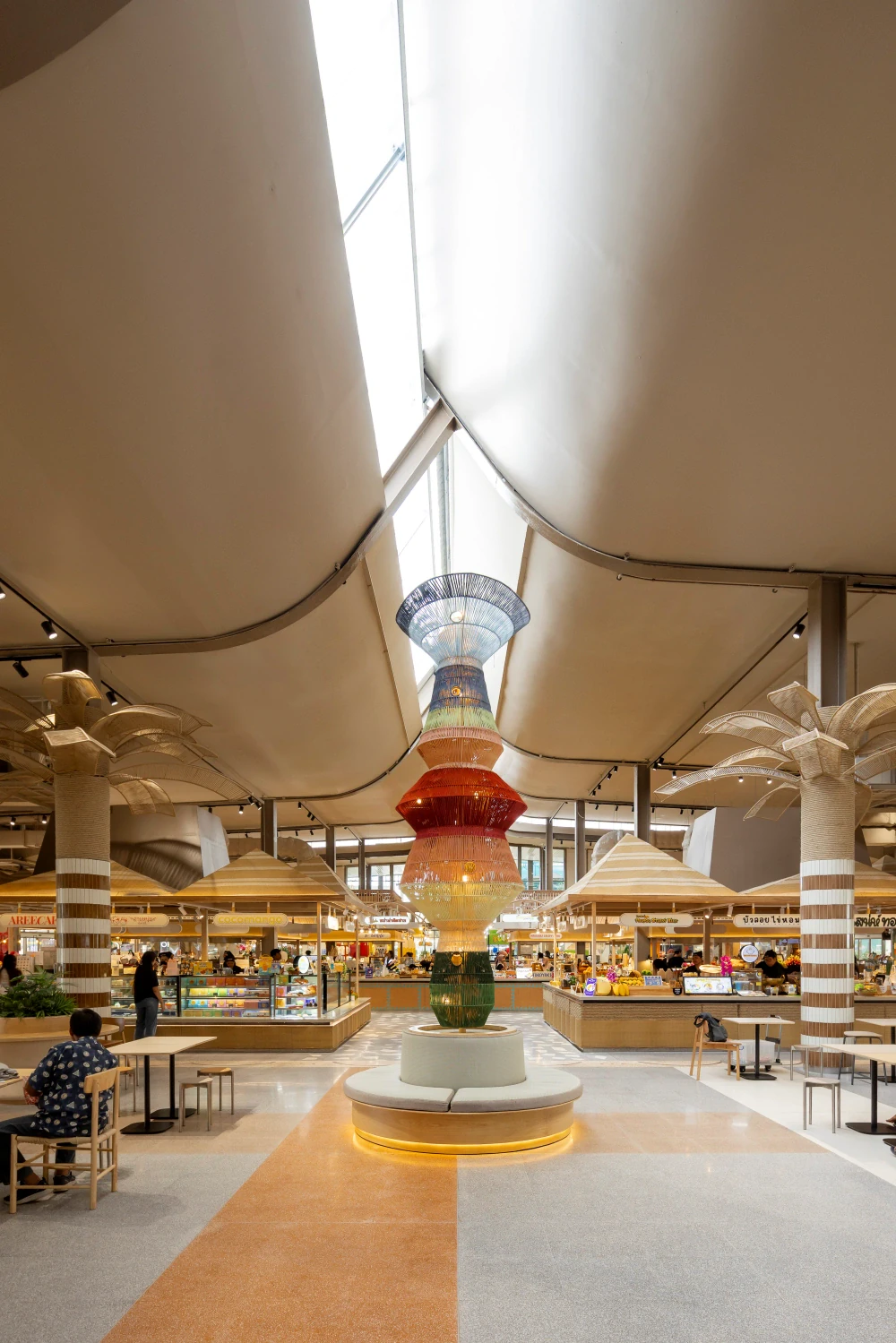
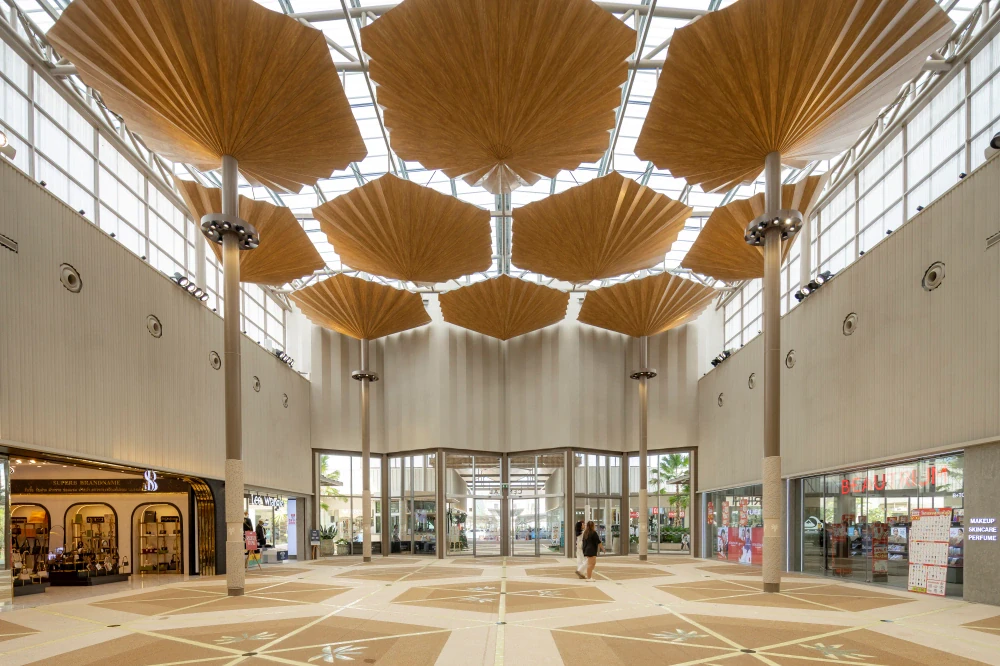
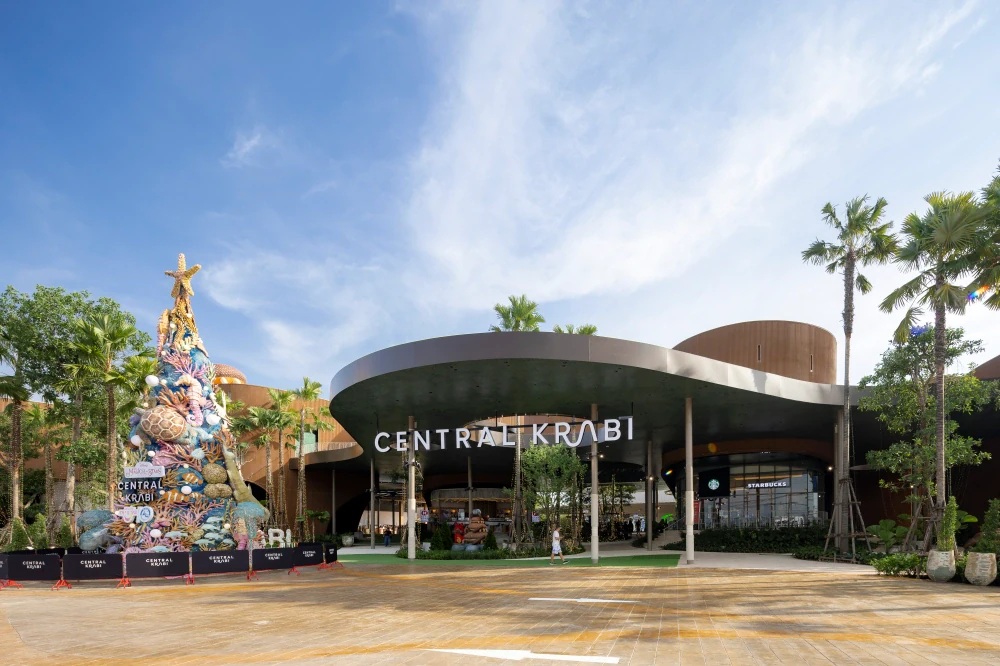
Central Krabi Project - Thailand's First Prototype of a Sustainable Shopping Center
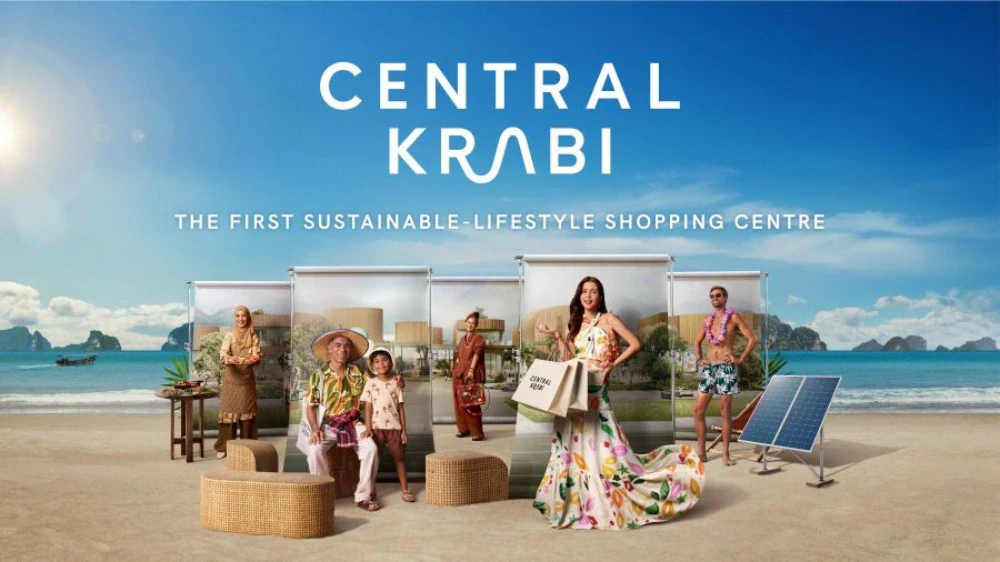
Central Pattana Public Company Limited is committed to advancing its ESG strategy in a tangible manner by setting targets in line with the SBTi standard while securing green financing. To further strengthen the Company's capabilities in advanced greenhouse gas management and reduction, it has joined the International Finance Corporation's (IFC) Green Real Estate Investment Portfolios (GRIP) program, designating the Central Krabi project as a pilot project. The project concretely integrates climate-related risks into investment decision-making through the following three key approaches:
1. Pursuing a Net Zero Carbon Building Standard, or EDGE Zero Carbon
The Company has integrated an Internal Carbon Pricing (ICP) mechanism using a shadow price of THB 200 per ton of carbon dioxide equivalent into its financial model. This supports the allocation of sustainability-related capital expenditure to enhance engineering specifications as follows:
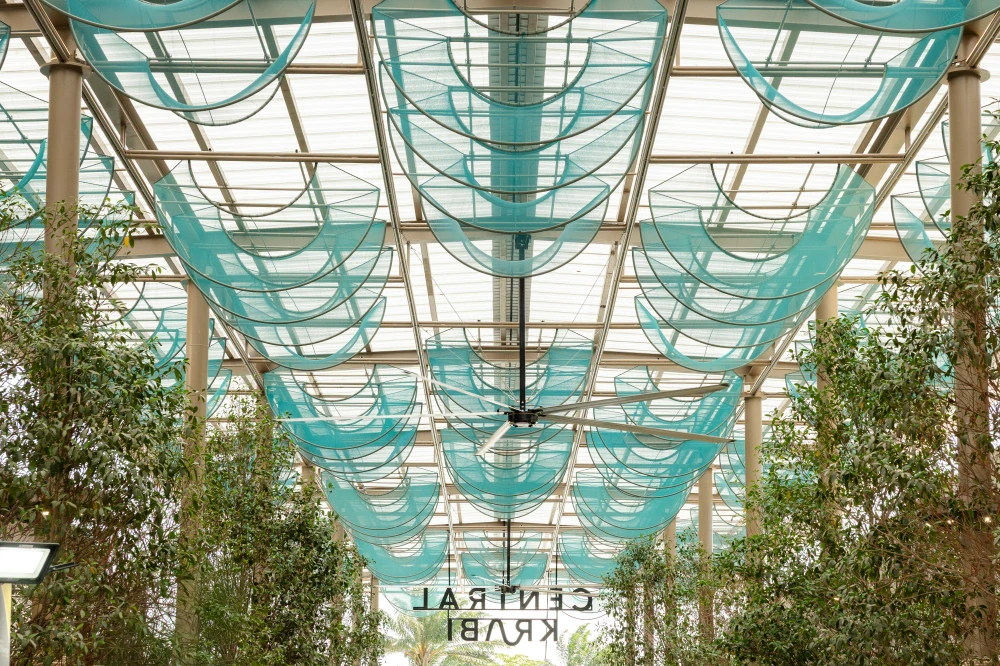
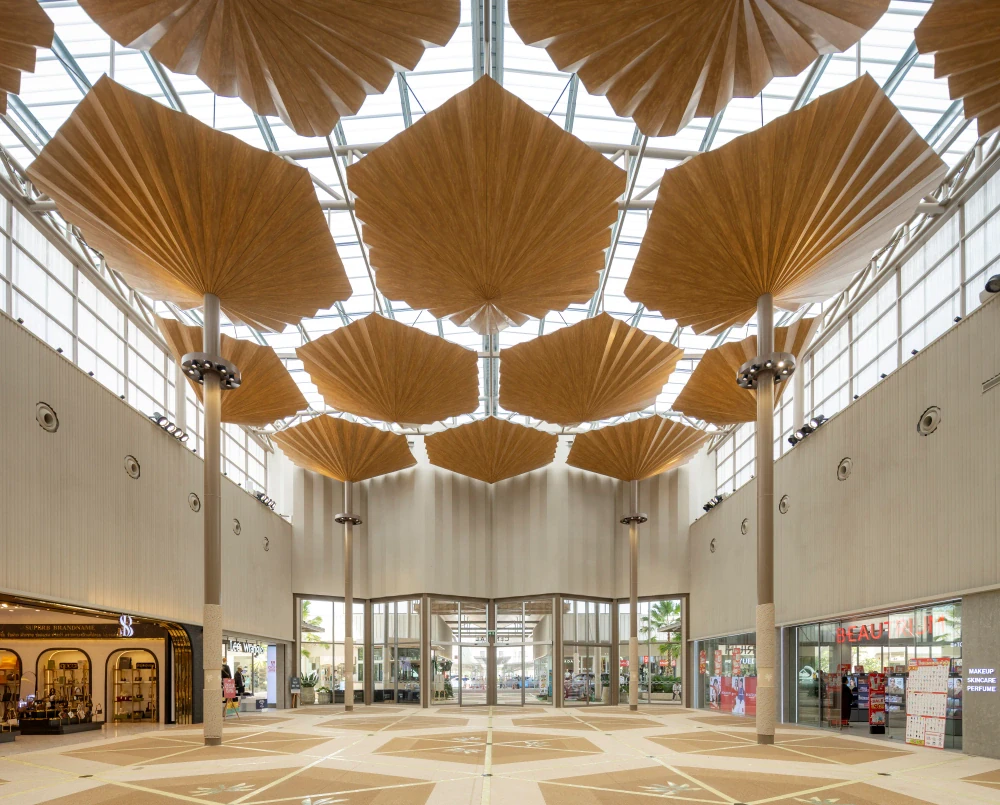
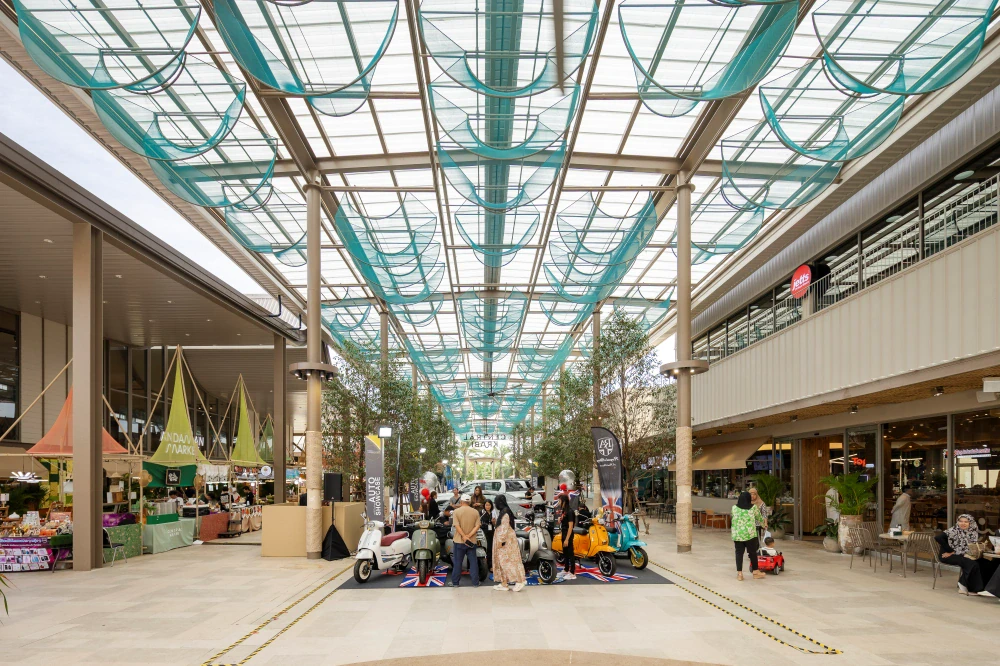
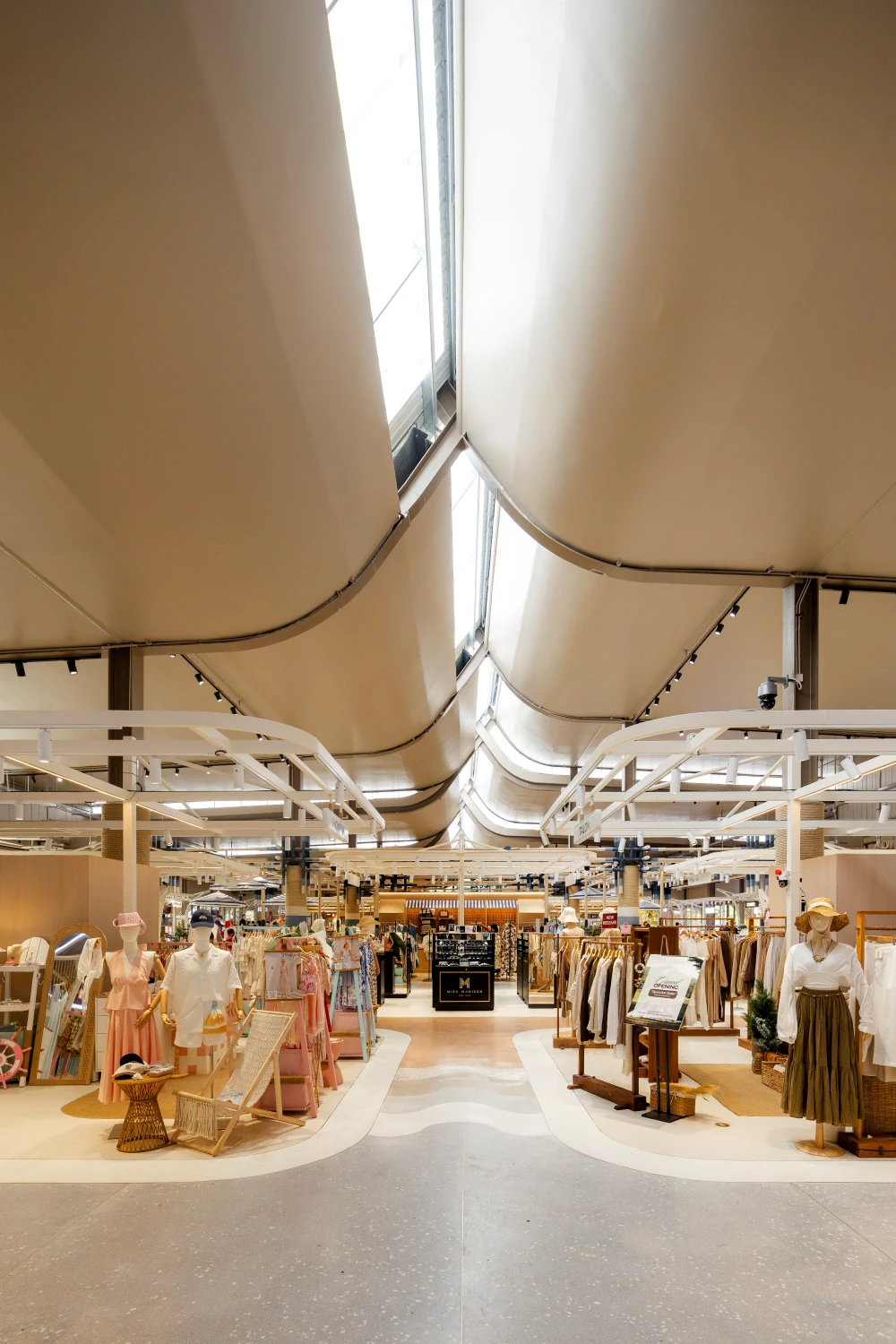
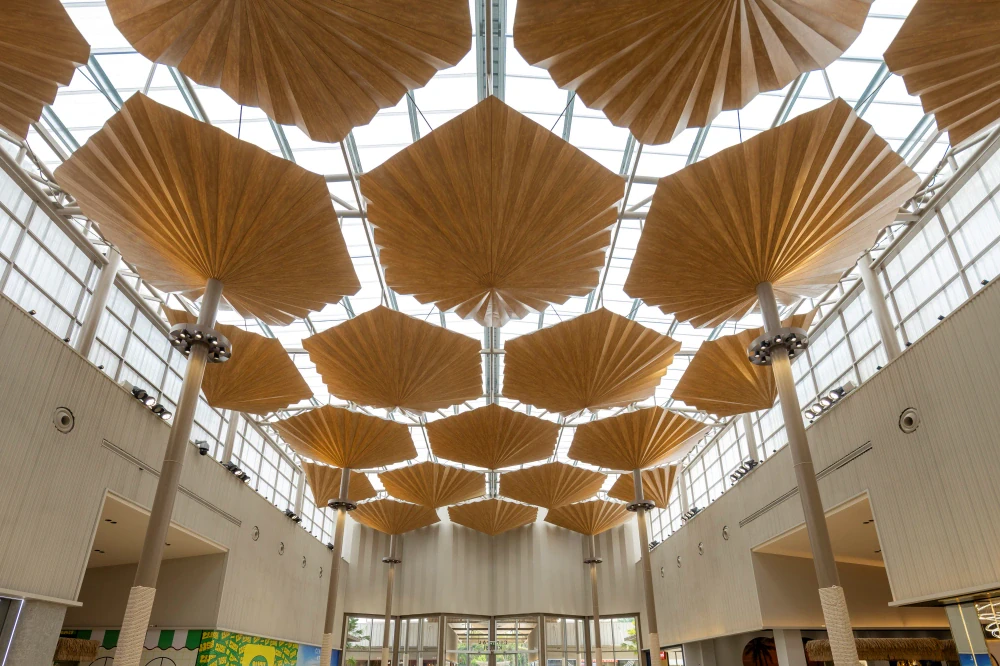
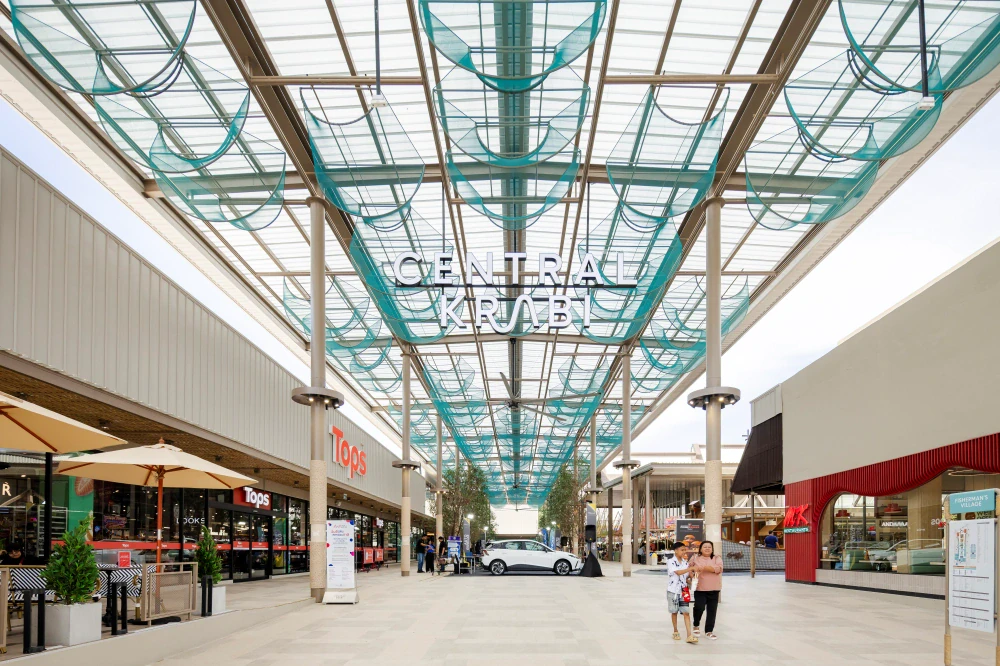
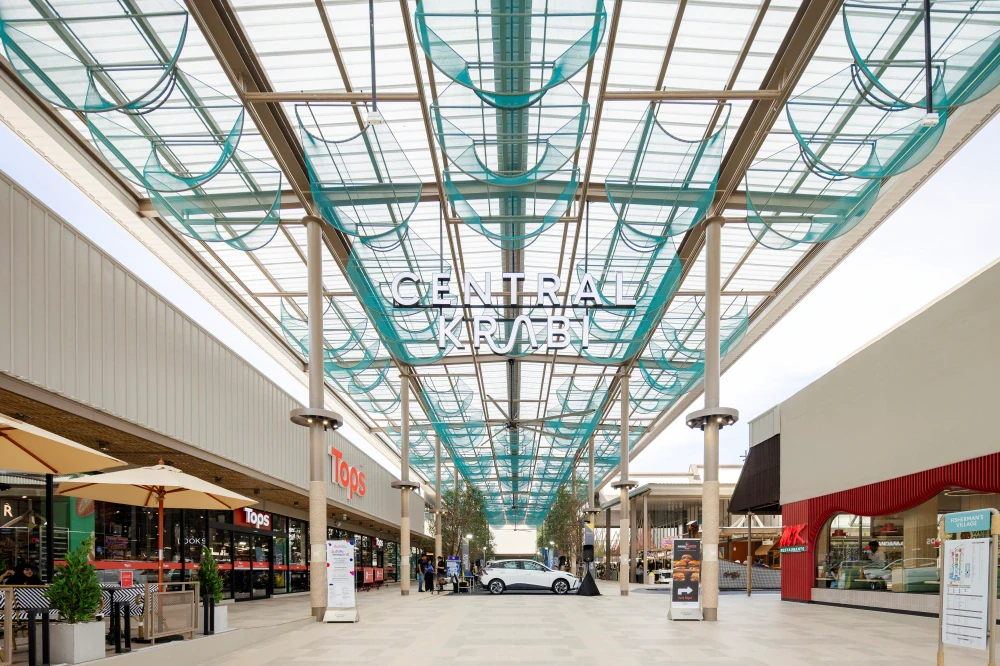
- Energy The project was designed with a semi-outdoor architectural approach that relies on natural ventilation through passive design, alongside the installation of a High Efficiency Chiller with Cooling Tower. The area allocated for solar power generation has also been expanded to more than 14,400 square meters, with a total installed capacity of over 3.2 MW, which is the highest in Central Pattana's portfolio, accounting for 30% of the Central Krabi project's total electricity consumption.
- Water management A new waterworks system and pumping station were developed to reduce groundwater withdrawal, together with the installation of a high-efficiency wastewater treatment system. These measures help reduce the project's total water consumption by more than 25%.
2. In-depth Embodied Carbon Assessment and the Use of Environmentally Friendly Materials
The Company has partnered with world-class expert ( WSP ) to conduct a Life Cycle Assessment of embodied carbon across the building lifecycle, focusing in depth on modules A1-A5, which represent Upfront Carbon before the building becomes operational. This covers raw material extraction, material manufacturing (A1-A3), as well as transportation and on-site construction processes (A4-A5). The assessment covered the basement structure, primary structure, building envelope, and interior fit-out, in alignment with SBTi methodology, to build a database of Embodied Carbon Intensity (ECI). The analysis results and proactive strategies are as follows:
- Establishing a benchmark and identifying hotspots: The LCA model found that the Central Krabi project has an ECI of 339 kgCO2e/m2. The main hotspot is structural works, which account for as much as 75% of total impact, followed by the building envelope at 25%. These insights provide the Company with a clear evidence base for benchmarking future projects against international standards.
- The assessment results have been used to define embodied carbon reduction strategies, such as:
- Focusing on priority materials by improving design and reducing the use of high-carbon materials such as concrete, steel, aluminum, and metal finishing materials.
- Low-carbon material procurement by incorporating environmental label requirements, including Environmental Product Declarations (EPDs), into the Company's green procurement guidelines, while increasing the share of recycled materials and Bio-based content in construction and renovation projects.
- Promoting circular economy principles by reusing building components and materials, while also preparing to integrate interior fit-out materials into future embodied carbon assessment processes.
- Integrating collaboration from the upstream stage by working closely with architects, engineers, and contractors from the earliest phase of the project to jointly assess innovative structural alternatives that can further increase embodied carbon reduction potential.
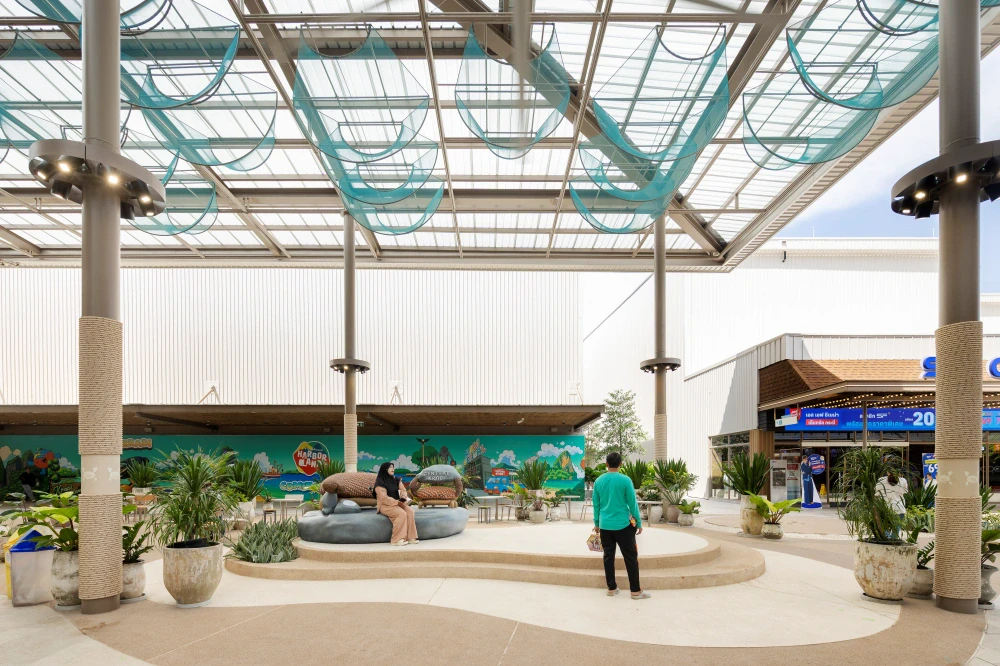
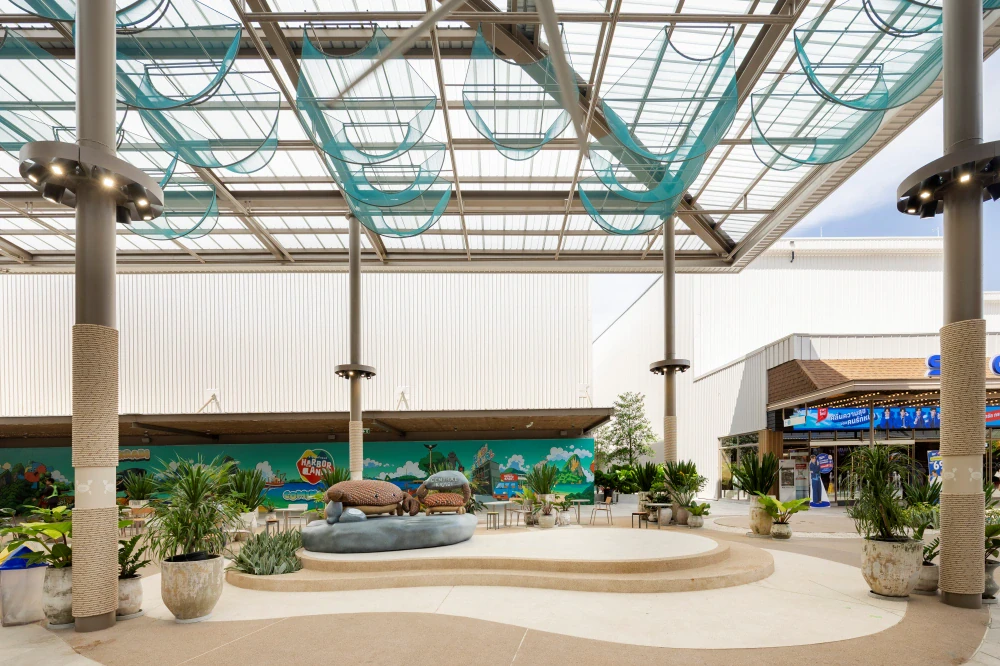
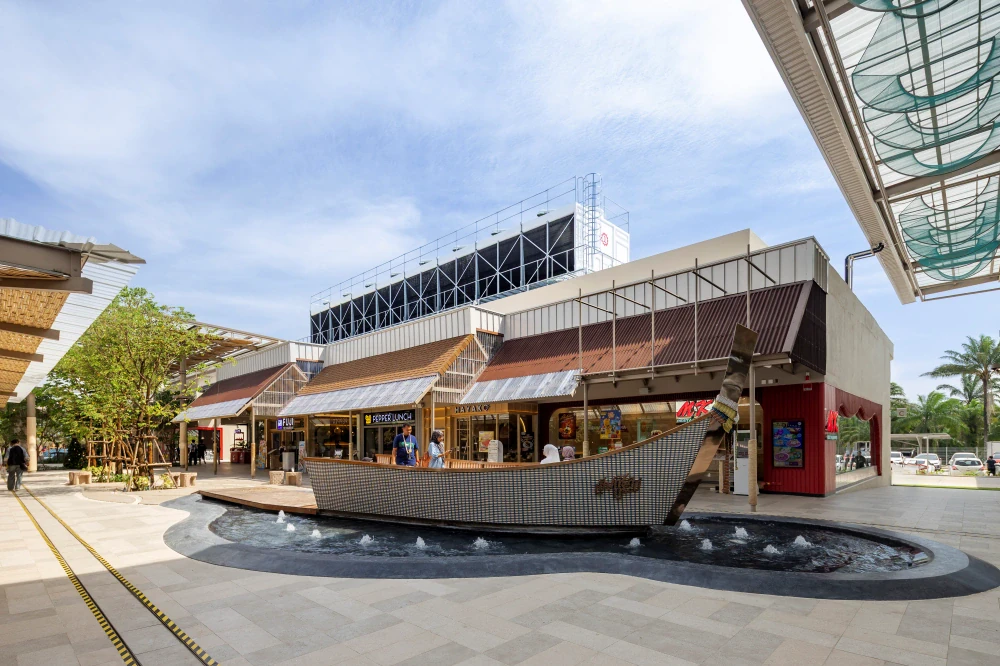
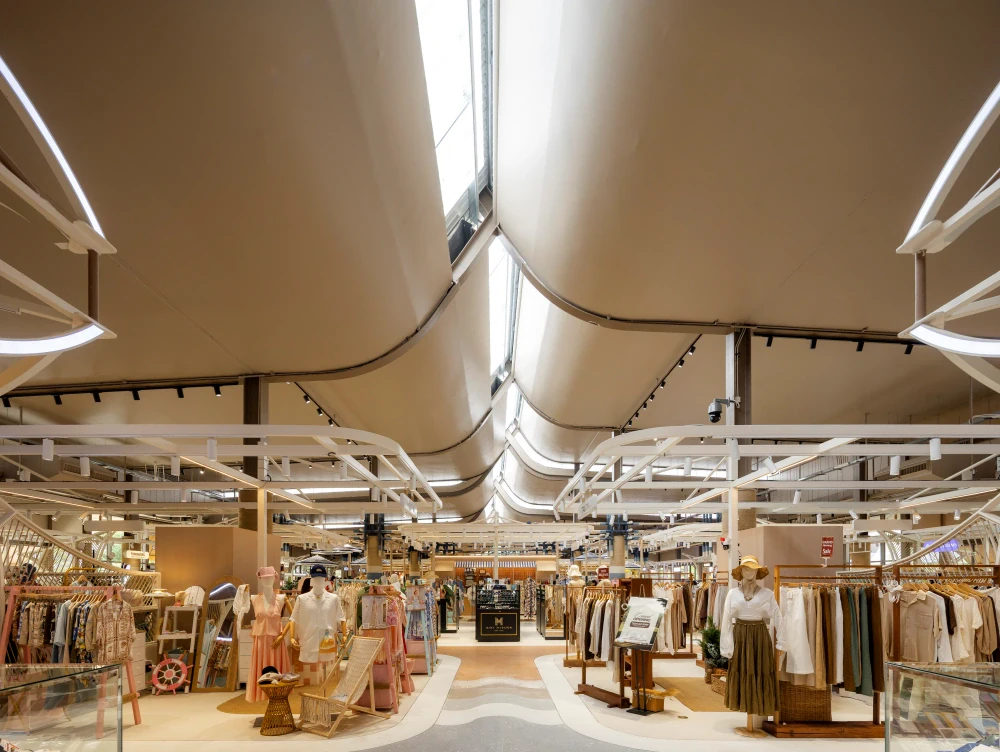
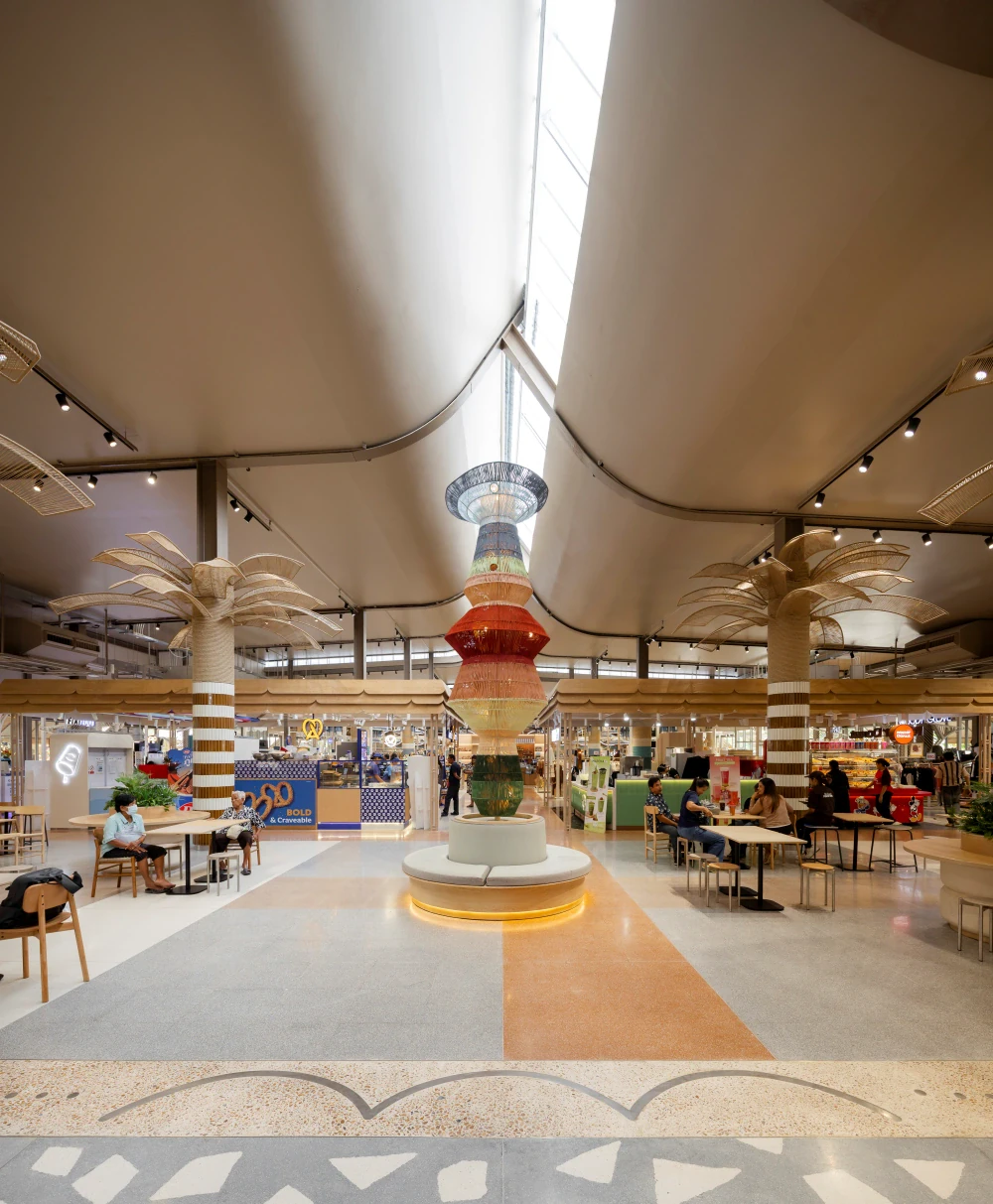
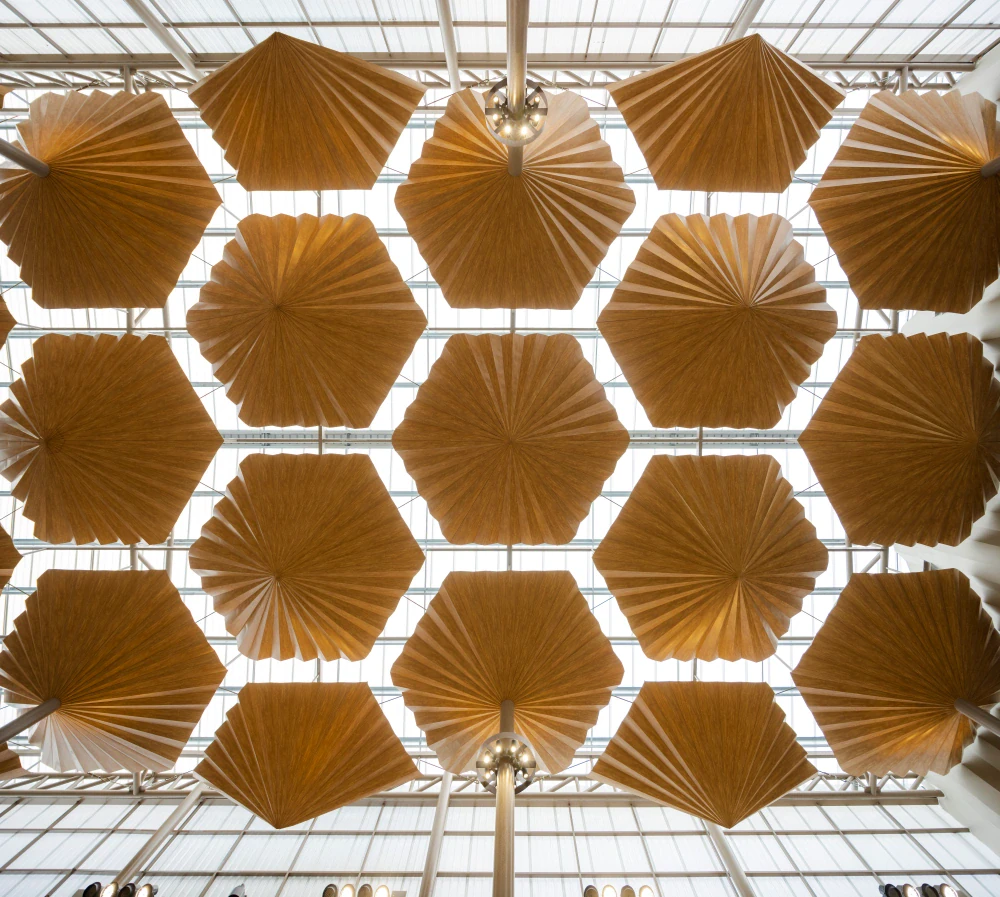
- Use of recycled materials and local identity: Circular economy principles have been applied to interior design, such as using recycled fishing nets, creating benches and terrazzo pots from glass fragments, and incorporating discarded shells and crab shells into furniture components. The project also collaborates with local artists to integrate community wisdom - such as Hua Tong boat, the traditional long-tail boat, and Batik patterns - into the design to reflect Krabi's identity.
3. The Path toward Global Certification
Based on these preventive investments, the Central Krabi project is expected to reduce electricity consumption by more than 40%, reduce water use by more than 30%, and cut embodied carbon from construction materials by more than 20% compared with the conventional buildings under the EDGE standard. Accordingly, the Company aims to have the project assessed for international green building certification at the EDGE Zero Carbon level from IFC during 2026-2027. This will serve as tangible proof of developing a net zero carbon building.
4. Driving Circular Economy and Innovation for Communities
As a member of the Circular Economy in Construction Industry (CECI) network and the Thailand Climate Business Network (ThaiCBN), the Company has collaborated with members of both networks to build on the success of earlier pilot projects - both within the Company's own developments and from the achievements of other members - to create community-focused innovation at Central Krabi as follows:
- The first Green Road innovation in Southern Thailand: Through a collaboration among Central Pattana, Krabi Municipality, Chiang Mai University, and CPAC (SCG), more than 2.5 tons of non-recyclable plastic waste and 5.8 tons of biochar from biomass charcoal in Northern Thailand were used as ingredients in an eco-friendly road built behind Central Krabi shopping center. This innovation creates new value from waste and reduces greenhouse gas emissions by as much as 25.89 tons of carbon dioxide equivalent, equivalent to planting more than 1,250 large trees per year.
- Zero Waste to Landfill: In collaboration with Krabi Province and partners under the Krabi Go Green initiative, the Company elevated waste management by creating an Eco-Art hoarding on the project's perimeter fence during construction. The installation was made from more than 3,500 pieces of marine plastic waste, equal to 360 kilograms, such as PET bottles, HDPE, PP, bottle caps, plastic bags, ropes, and fishing net scraps. It was designed to depict endangered marine animals found in Krabi's waters, such as the Bryde's whale, whale shark, and leatherback turtle. In addition, discarded fishing nets were reused as interior decoration materials and recycled into plastic pellets to produce Company uniforms and special fashion collection items in collaboration with retail brands, while local products were also supported to generate income back to the community.
5. Real Action for Biodiversity & Regenerative Community
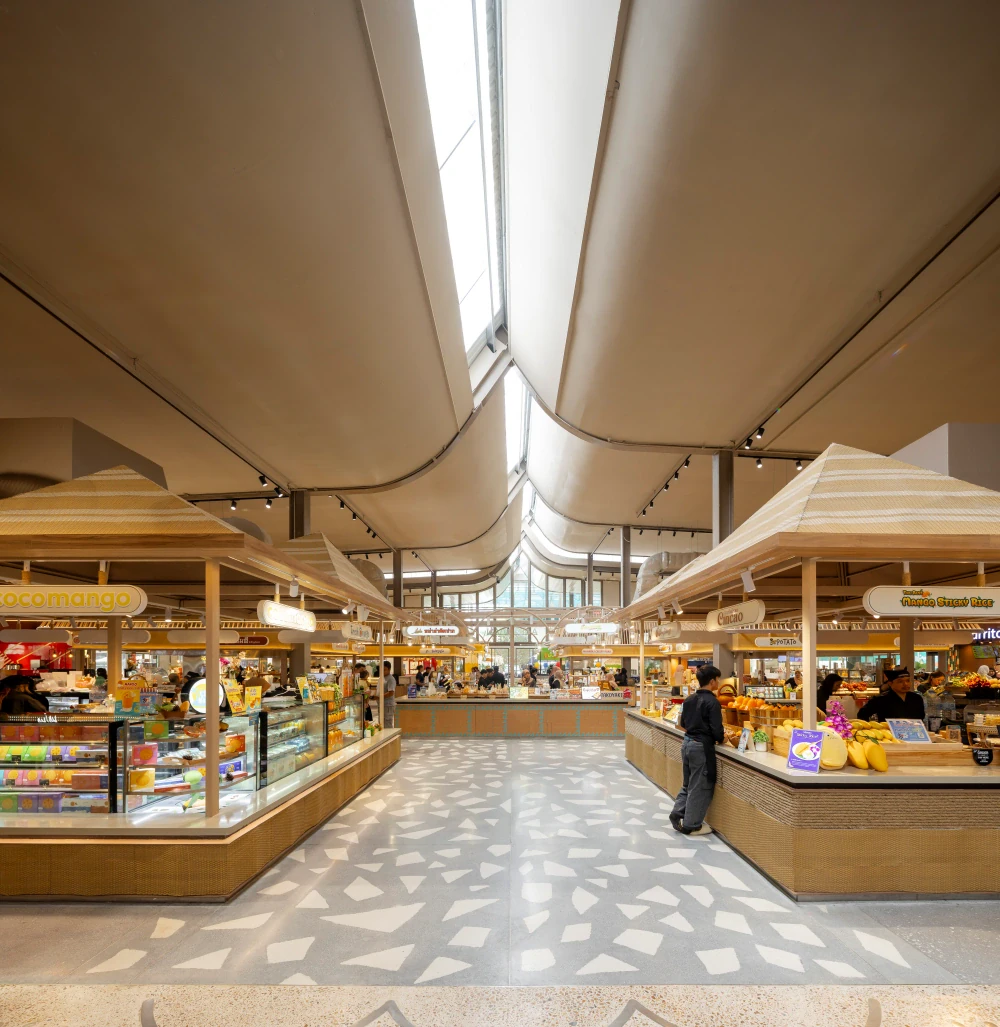
Under the "Made by Krabi" concept, the project engaged 50+ employee volunteers from 6 southern branches in a Biodiversity restoration project at Ban Nai Nang fishing community planting seagrass over 1 rai (0.4 hectare) of mangrove area, collecting marine debris and fishing nets for upcycling, and supporting local bees. These Regenerative activities increase ecological productivity within ecosystems already used by humans, such as fisheries, without reclassifying the land/seascape. Guided by Central Pattana's CSV (Creating Shared Value) approach, the initiative moves beyond Less Harm toward Healing & Thriving, building a true Regenerative Community with community-sourced honey now featured in beverages at Central Krabi's food court and So!Coff, generating local income and visibility.
Remark: Learn more about the EDGE standard and independent verification
EDGE (Excellence in Design for Greater Efficiencies) is an international green building standard developed by the International Finance Corporation (IFC), a member of the World Bank Group, to reduce energy use, water use, and embodied carbon in construction materials. A key feature is that every project must undergo verification by an independent third-party auditor authorized by EDGE. This provides assurance of transparency and data accuracy, while building investor confidence that resource-efficiency outcomes truly meet global standards. More details are available at https://edgebuildings.com/about/about-edge/