Biodiversity Baseline Study: Summary of Findings Reforestation Site, Khlong Takhian National Reserved Forest, Chonburi Province
Central Pattana Public Company Limited, in collaboration with the Faculty of Forestry, Kasetsart University
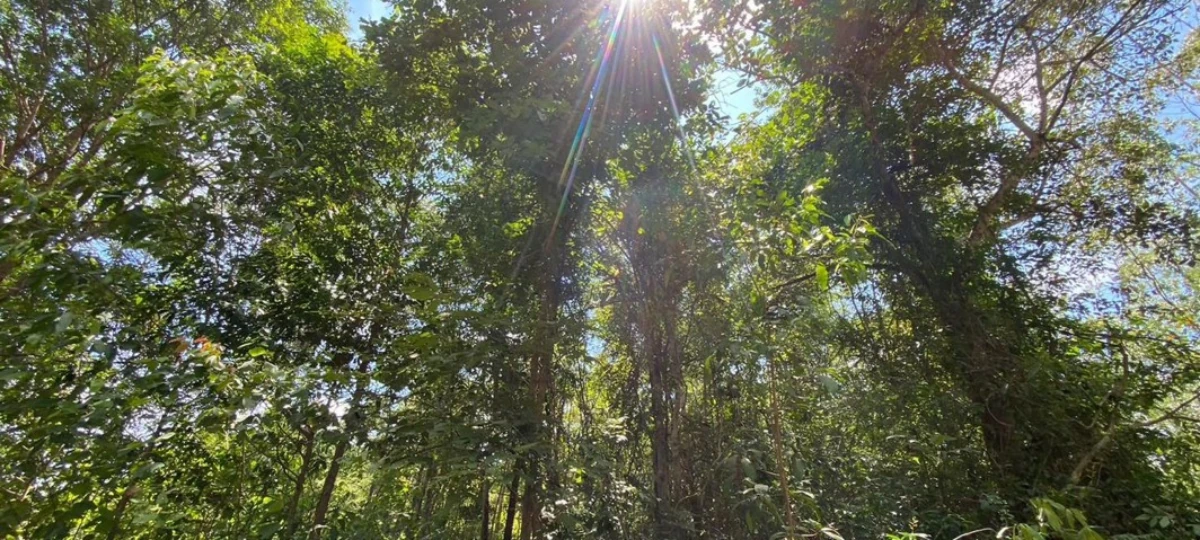
Dry evergreen forest at the forest edge, Khlong Takhian National Reserved Forest
Summary
Central Pattana Public Company Limited (“the Company”) assesses biodiversity risk before developing new projects. This includes Environmental Impact Assessments (EIA) for projects required by law and other significant projects, together with screening of project locations against critical biodiversity area databases. To date, these assessments have not identified material biodiversity risks at the Company’s development sites.
Beyond carbon sequestration, however, the Company seeks to understand the broader impacts of its reforestation efforts. It therefore piloted a biodiversity assessment at its reforestation site in the Khlong Takhian National Reserved Forest, establishing a baseline to monitor the project’s ecosystem co-benefits over the long term.
Study area
A 500-rai (80-hectare) reforestation site within the Khlong Takhian National Reserved Forest, Bo Thong Subdistrict, Bo Thong District, Chonburi Province, under the T-VER program in partnership with the Royal Forest Department.
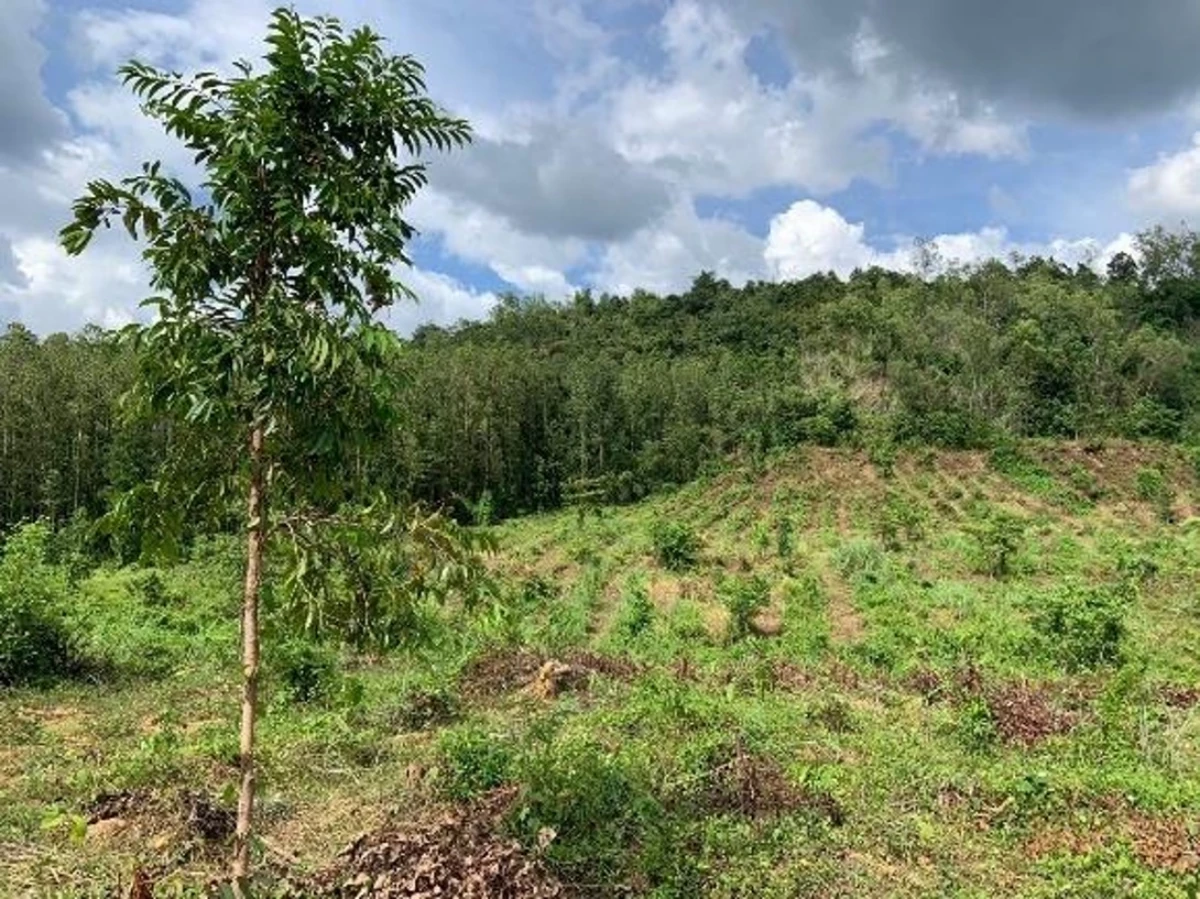
Casearia flavovirens, a native species in the reforestation area
Key findings
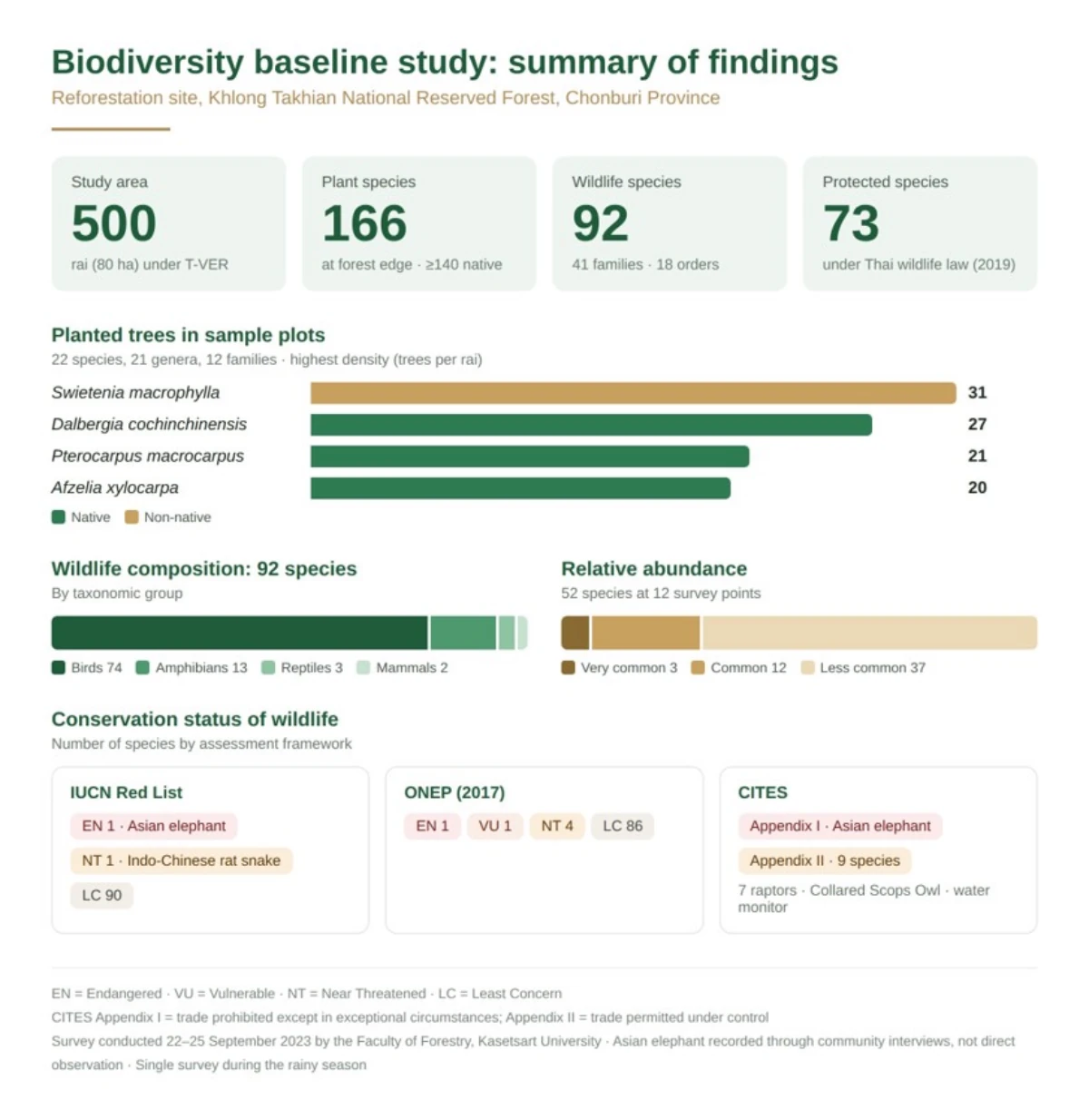
- 166 plant species recorded along the forest edge, at least 140 of which are native
- 92 wildlife species recorded, 73 of which are protected under Thai law
- 7 native tree species listed as threatened on the IUCN Red List are planted on the site, including Siamese rosewood (CR)
Governance
The Company collaborated with the Faculty of Forestry, Kasetsart University, as an independent external expert, to establish a biodiversity database for the reforestation site in line with the Company’s Biodiversity Management and No Deforestation Policy. The findings have been retained as a baseline for monitoring changes in the state of nature at the site. They will inform the site management plan to be developed with the Royal Forest Department, and progress will be reported through the Company’s sustainability governance structure.
Strategy
The reforestation site serves as a nature-based carbon removal mechanism supporting the Company’s Net Zero 2050 target. At the same time, it restores ecosystems connected to adjacent national reserved forests on all four sides: Ban Na and Thung Khwai Kin, Tha Bunmi and Bo Thong, Daeng and Chumnum Klang, and Khwae Rabom and Si Yat.
The Company assessed its relationship with nature at this site using the DIROs framework:
- Dependencies: Carbon sequestration and tree growth depend on seasonal rainfall, soil quality, and pollination and seed dispersal by wildlife.
- Impacts: Positive impacts include increased canopy cover and wildlife habitat. Negative impacts to be managed include the spread of invasive alien plants such as Siam weed (Chromolaena odorata), mile-a-minute (Mikania micrantha) and lantana (Lantana camara).
- Risks: Physical risks such as drought, wildfire and seedling mortality may affect projected carbon credit volumes. Reputational risk related to the credibility of nature-based carbon credits is mitigated through third-party assessment and disclosure.
- Opportunities: Carbon credits under the T-VER standard, partnerships with government agencies and academic institutions, and the site’s potential as a learning site for dry evergreen forest restoration.
Risk and Impact Management (TNFD LEAP Approach)
- L – Locate: The site lies within the Khlong Takhian National Reserved Forest, an ecologically sensitive location. Indicator species of dry evergreen forest were recorded along the forest edge, and the area is used by Asian elephants (IUCN: EN, CITES Appendix I).
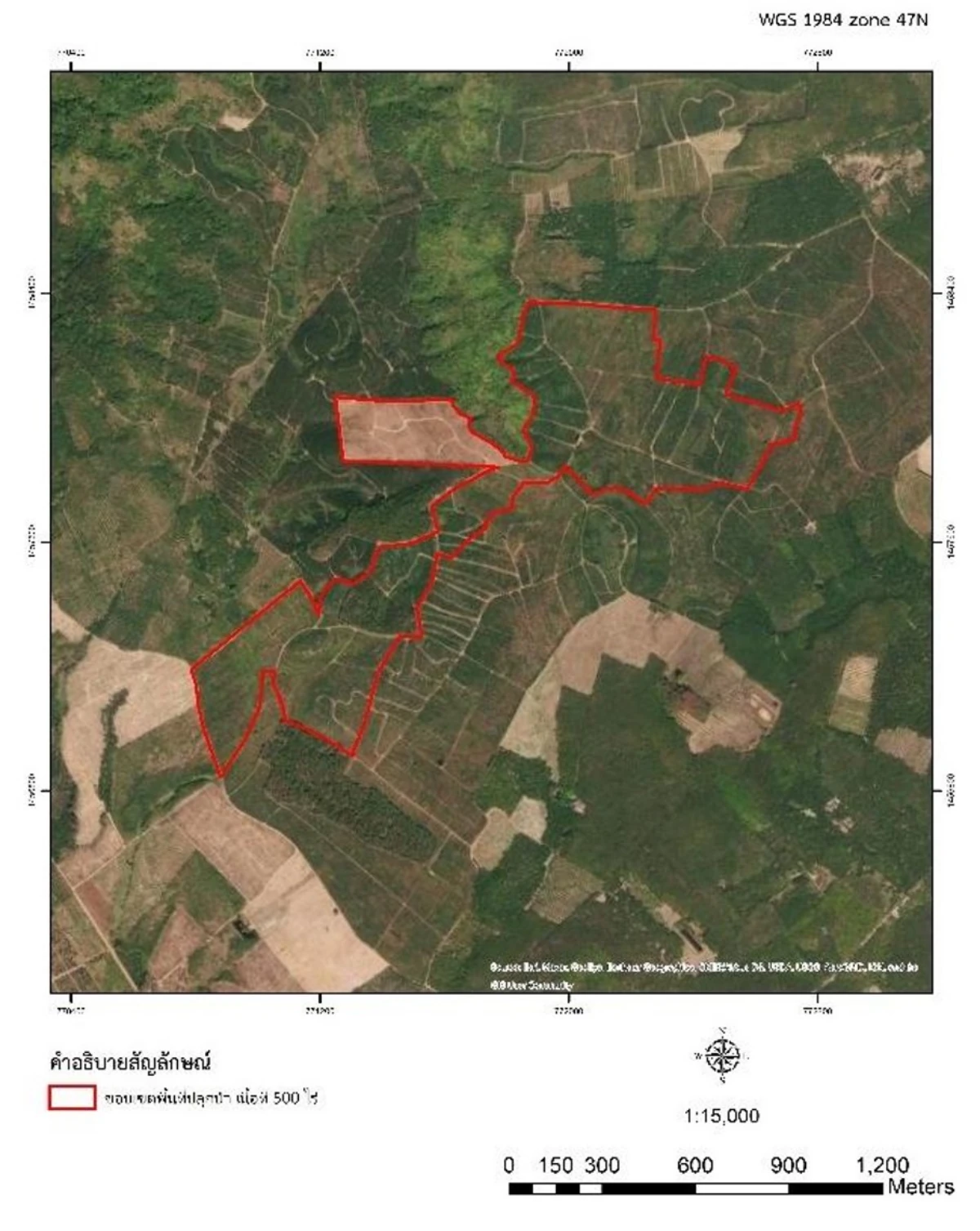
500-rai reforestation site boundary
- E – Evaluate: Experts established four 40×40 m sample plots across the site to measure trees, saplings, seedlings and planted trees, and analyzed the Importance Value Index (IVI) of each species. Wildlife surveys covered four taxonomic groups using point counts at 12 stations, combined with day and night active searches. The wildlife survey was supplemented by interviews with surrounding communities, which confirmed the presence of Asian elephants in the area.
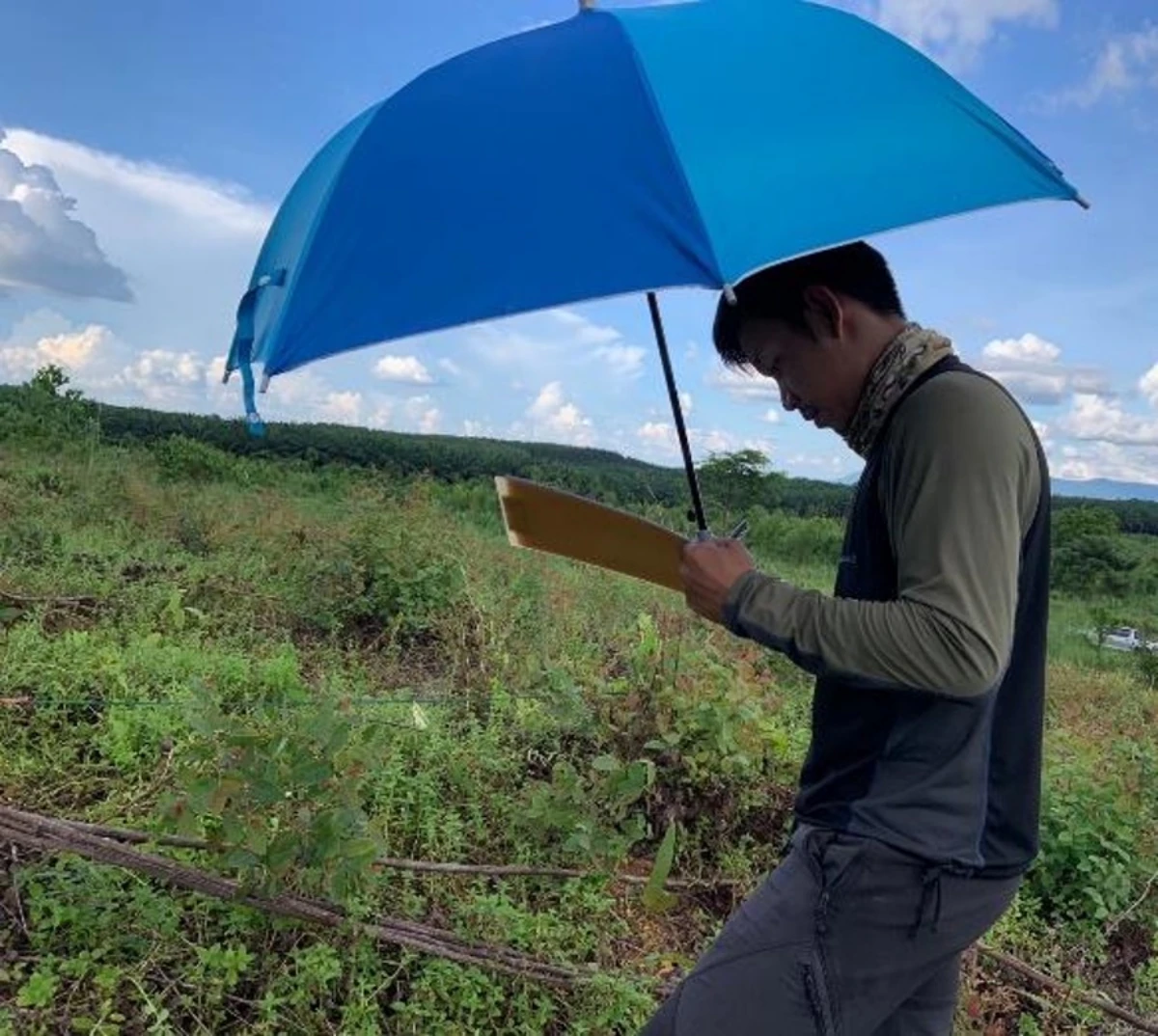
Vegetation survey in sample plots
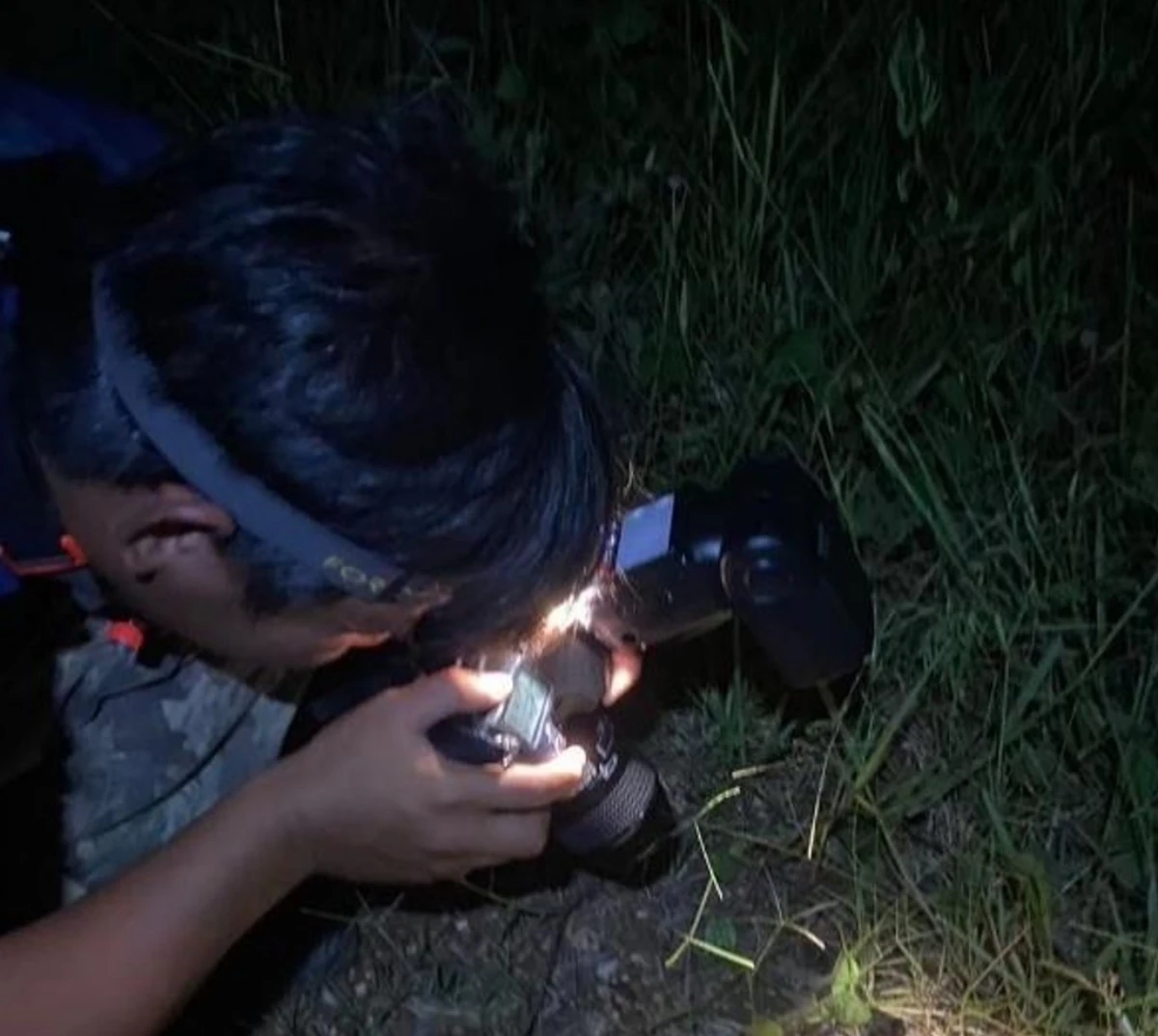
Night-time amphibian survey
-
A – Assess: Species status was assessed against the Forest Act, the Wildlife Preservation and Protection Act B.E. 2562 (2019), the ONEP threatened species list (2017), the IUCN Red List and CITES. Three key findings emerged:
- Several of the main planted species are threatened native species.
- Natural regeneration is at an early stage, as no natural seedlings were recorded in the sample plots.
- Invasive alien plants are present in disturbed areas.
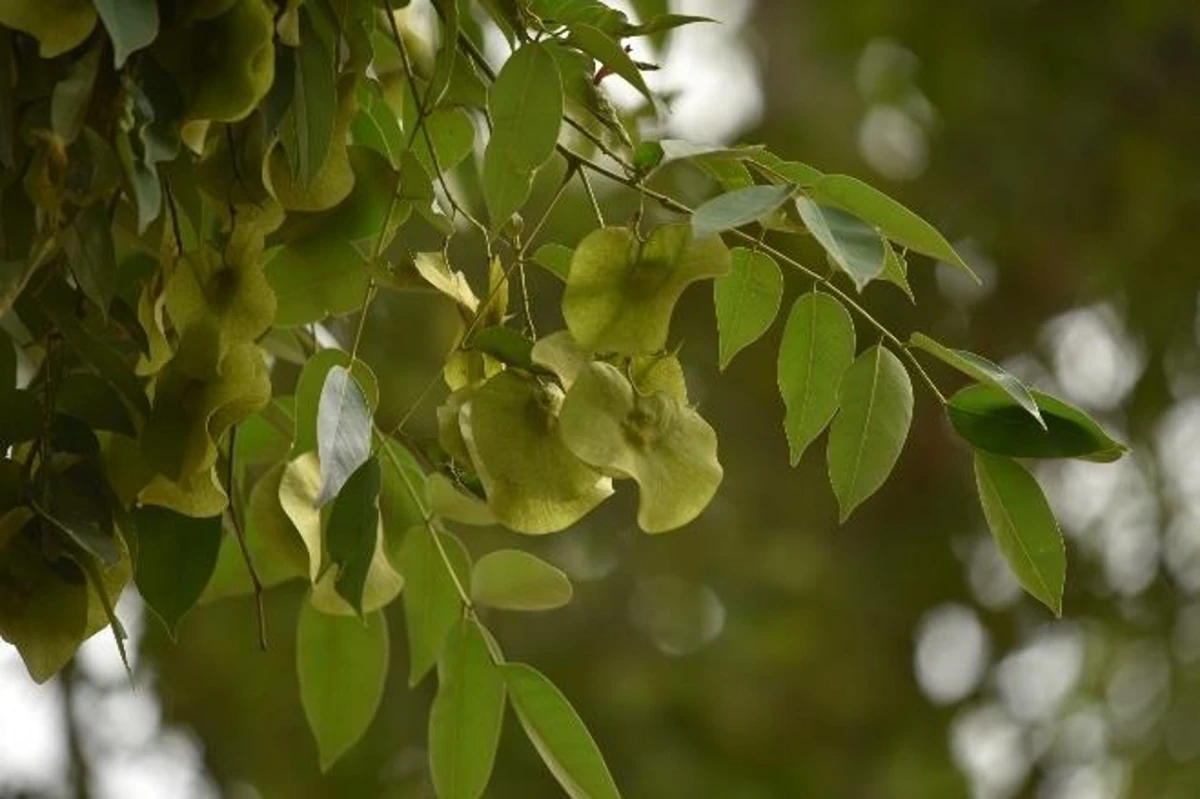
Burmese padauk (Pterocarpus macrocarpus), IUCN: EN, a native restoration species
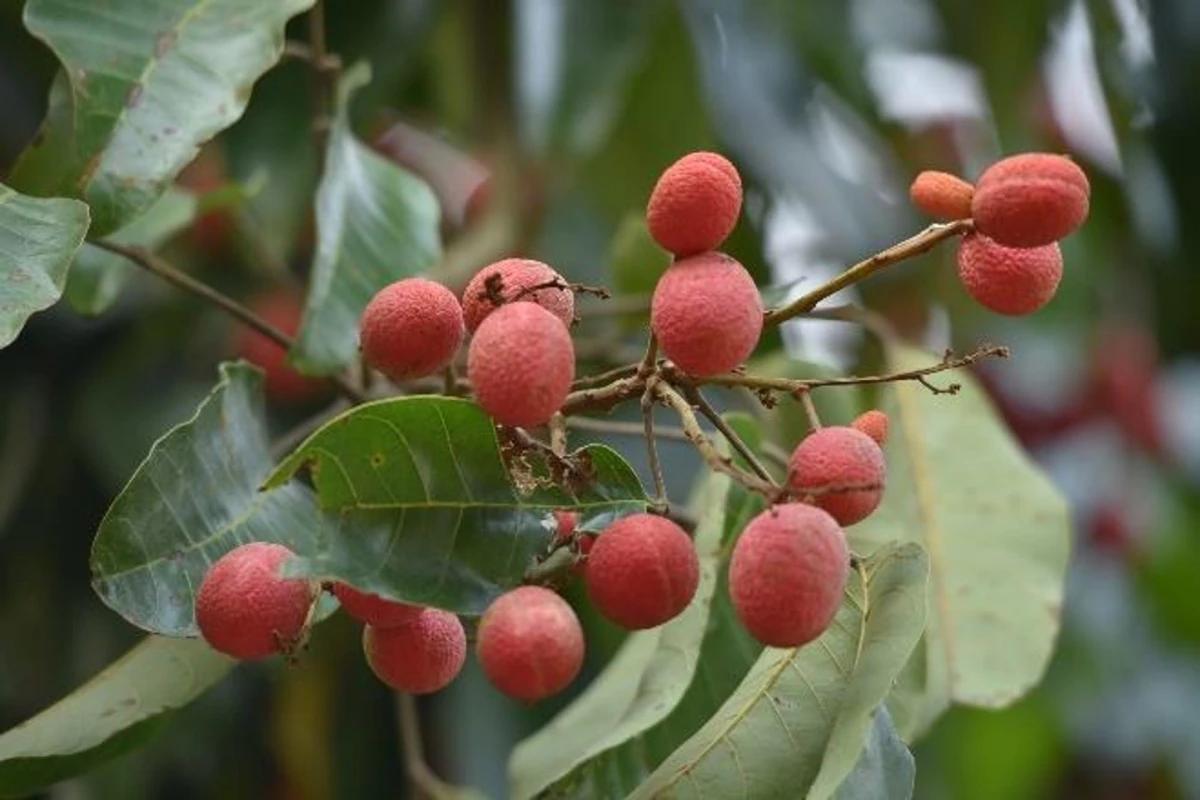
Nephelium hypoleucum, a dry evergreen forest indicator species
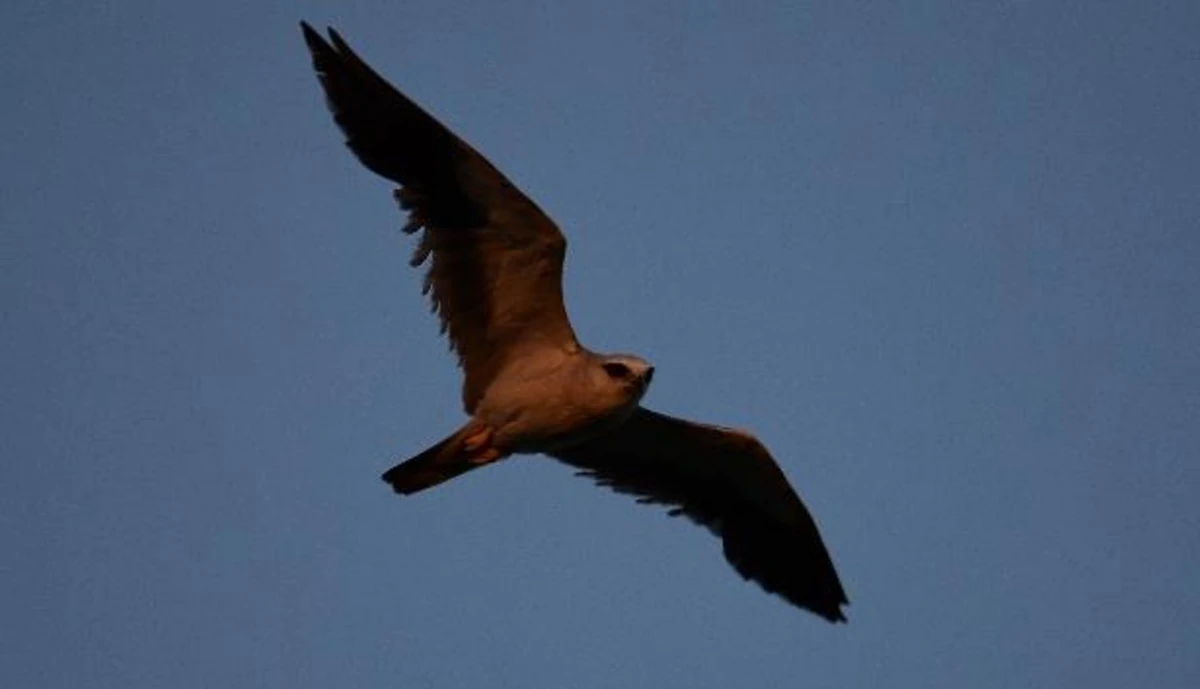
Black-winged Kite (Elanus caeruleus), ONEP: NT, CITES Appendix II
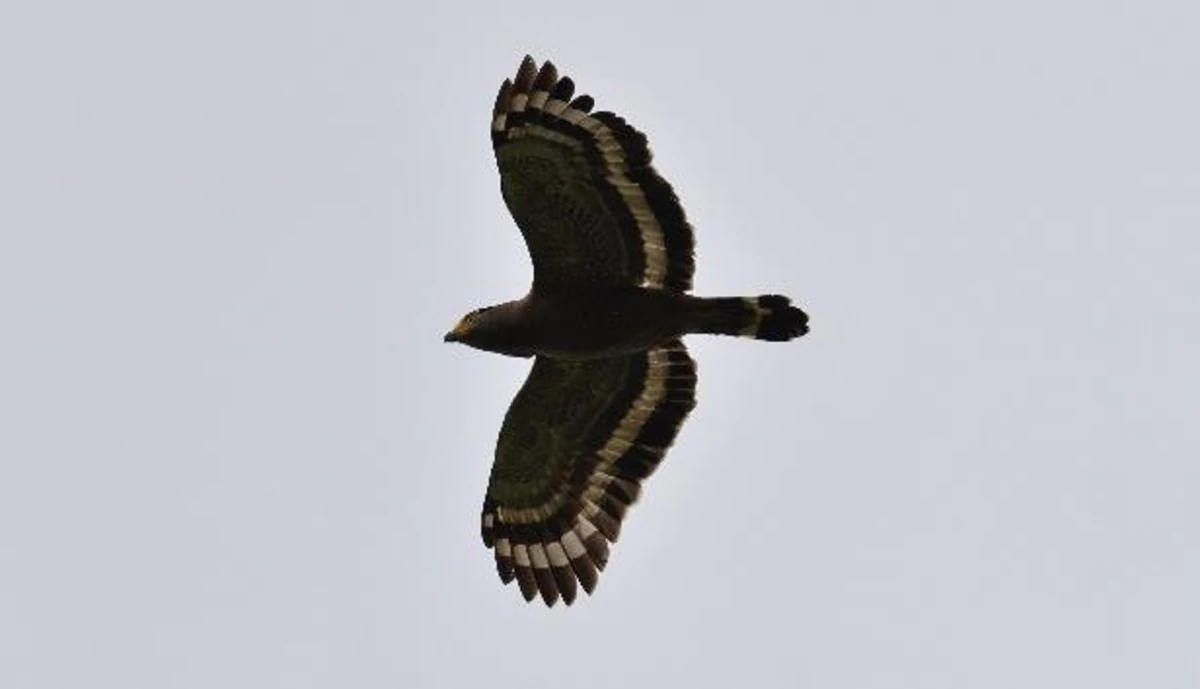
Crested Serpent Eagle (Spilornis cheela), CITES Appendix II
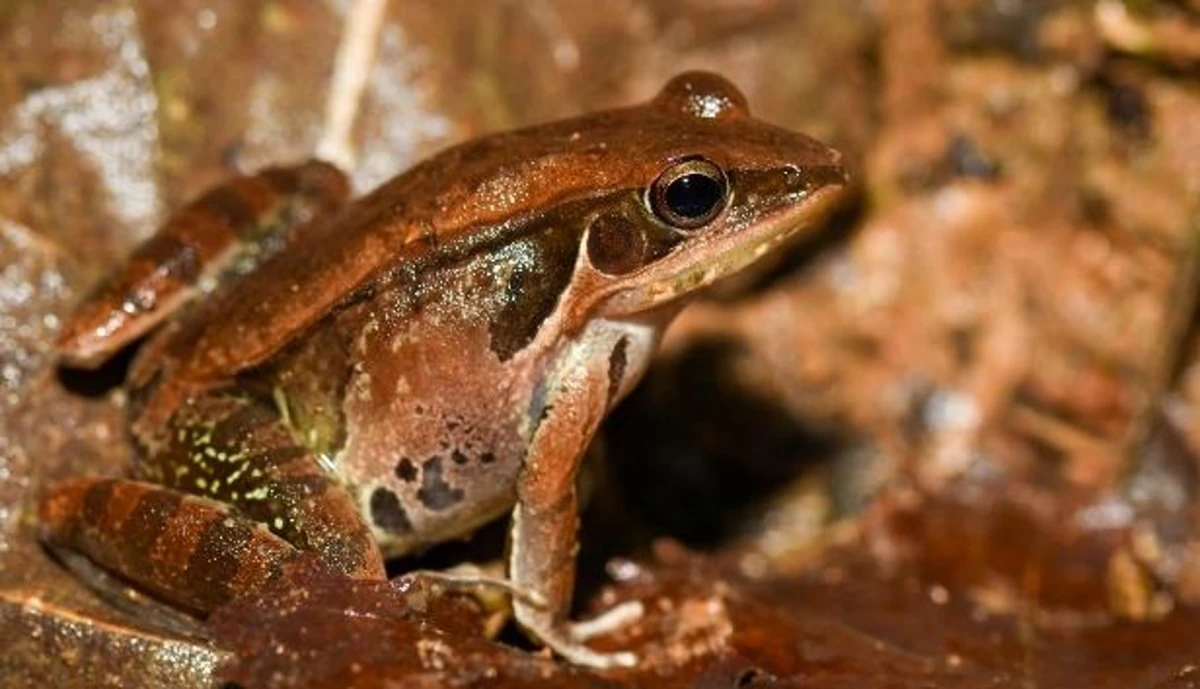
Kokarit Frog (Humerana lateralis), ONEP: NT
-
P – Prepare: The Company’s management approach for the site, informed by the findings, includes:
- Maintaining 100,000 planted trees of 10 species, 9 of which are native: Pterocarpus macrocarpus, Afzelia xylocarpa, Dalbergia cochinchinensis, Tectona grandis, Hopea odorata, Dipterocarpus alatus, Albizia procera, Sterculia foetida and Senna siamea. Several are threatened on the IUCN Red List, including Siamese rosewood (D. cochinchinensis, CR), Burmese padauk (P. macrocarpus, EN) and A. xylocarpa (EN).
- Establishing a 5-km firebreak within the 500-rai site to reduce wildfire risk, which could affect tree growth and the project’s carbon sequestration.
- Measuring tree growth and survival annually, as required under the T-VER program, to track carbon sequestration. The Company will consider a repeat biodiversity survey to monitor change against the baseline.
Metrics and Targets
| Indicator (baseline year 2023) | Result |
|---|---|
| Area under ecosystem restoration (TNFD C1.0/C1.1) | 500 rai (80 ha) |
| Planted tree density | 86–205 trees/rai (average approx. 131 trees/rai) |
| Species in planted plots | 22 species, 12 families |
| Plant diversity at forest edge | 166 species (at least 140 native / 26 non-native) |
| Wildlife diversity | 92 species: 74 birds, 13 amphibians, 3 reptiles and 2 mammals |
| Species at risk of extinction (IUCN) | Plants: 10 species (CR 1, EN 5, VU 4); animals: 2 species (EN 1, NT 1) |
| CITES-listed species | Plants: 2 species (Appendix II); animals: 10 species (Appendix I: 1, Appendix II: 9) |
| Natural seedlings | 0 per rai (used as a regeneration indicator) |
Note: CR = Critically Endangered; EN = Endangered; VU = Vulnerable; NT = Near Threatened. CITES Appendix I = trade prohibited except in exceptional circumstances; Appendix II = trade permitted under control. 1 rai = 1,600 m² (0.16 ha).
These data will serve as a baseline for future monitoring, supporting the Company’s targets of planting 1 million trees by 2030 and achieving No Net Loss of biodiversity by 2050. The data are limited to a single survey conducted during the rainy season, so wildlife abundance may vary by season.
Selected species recorded at the site
Images show species recorded during the survey; some may not have been taken at the study site. Photos: Faculty of Forestry, Kasetsart University.
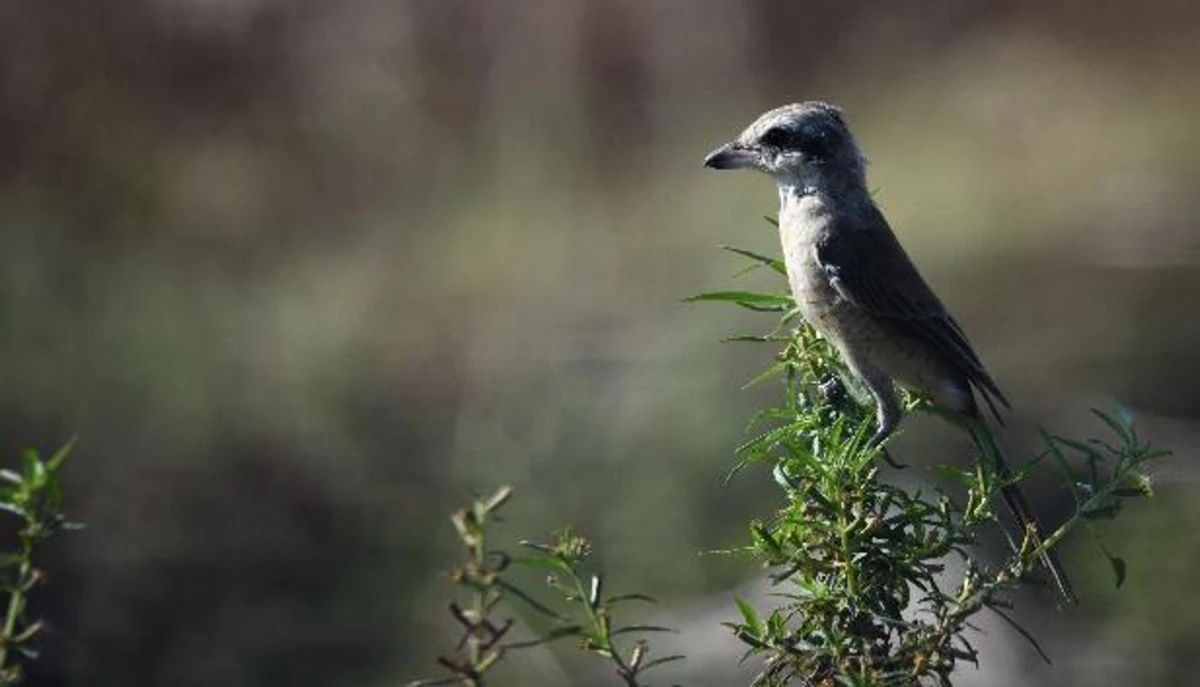
Brown Shrike (Lanius cristatus)
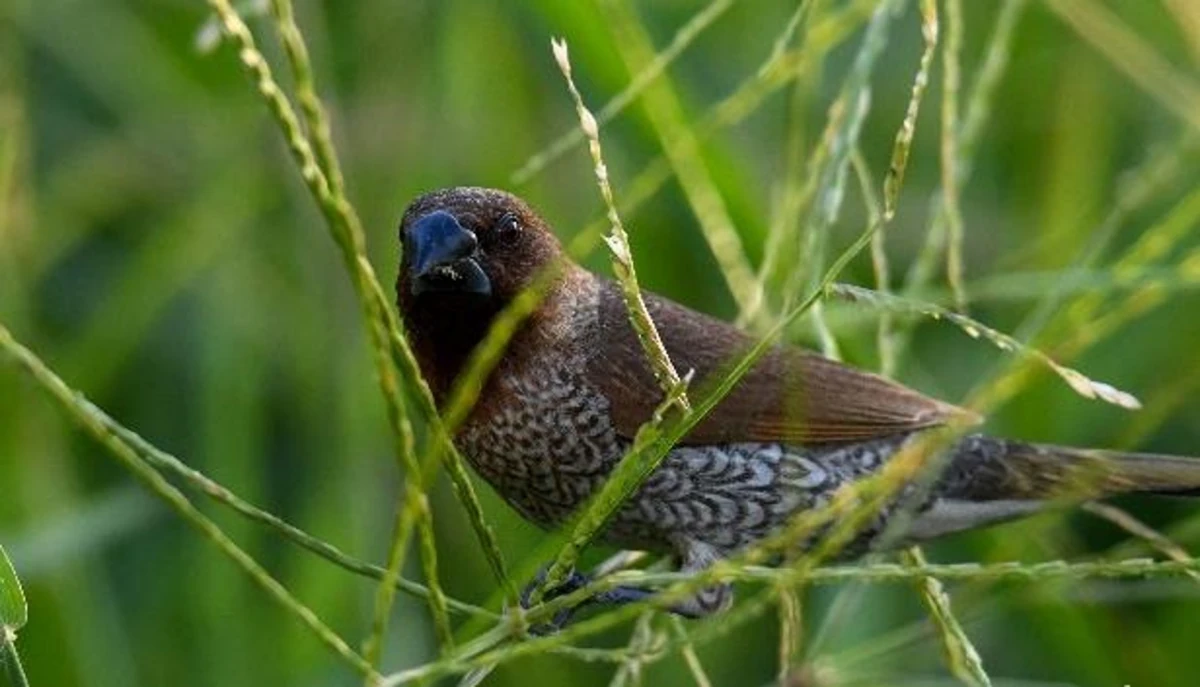
Scaly-breasted Munia (Lonchura punctulata)
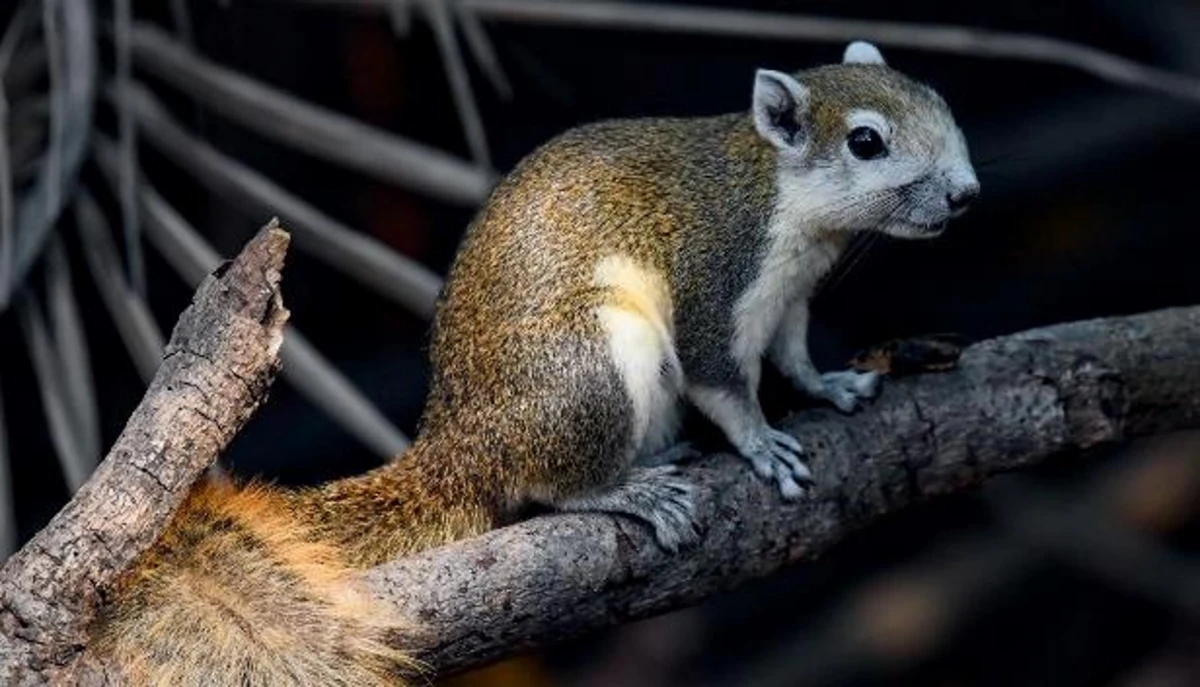
Variable Squirrel (Callosciurus finlaysonii)
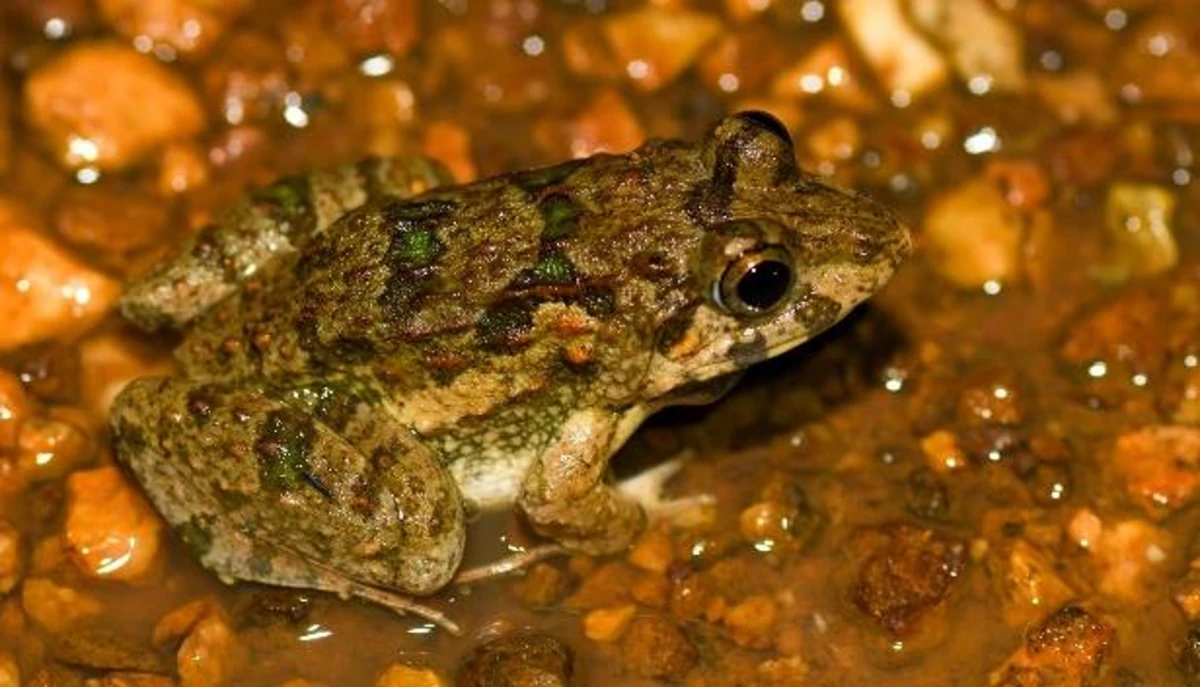
Asian Grass Frog (Fejervarya limnocharis)
Linkage to IFRS S2
The site is undergoing registration under the T-VER program with projected carbon removals of up to 16,000 tons of carbon dioxide equivalent (tCO₂e) over the project lifetime. The resulting credits will be nature-based removal credits, which the Company intends to use toward its Net Zero 2050 target after prioritizing direct emission reductions.
The Company reports gross Scope 1, 2 and 3 emissions before any carbon credits and discloses carbon credits separately, in line with IFRS S2.
Appendix: Abbreviations
IUCN Red List categories
| Abbreviation | Meaning |
|---|---|
| IUCN | International Union for Conservation of Nature, which publishes the Red List assessing global extinction risk |
| CR | Critically Endangered |
| EN | Endangered |
| VU | Vulnerable |
| NT | Near Threatened |
| LC | Least Concern |
CR, EN and VU are collectively referred to as threatened species. NT species are not yet considered threatened but are close to qualifying.
Other abbreviations
| Abbreviation | Meaning |
|---|---|
| CITES | Convention on International Trade in Endangered Species of Wild Fauna and Flora |
| CITES Appendix I / II | Appendix I: trade prohibited except for research and other exceptional purposes. Appendix II: trade permitted under control |
| ONEP | Office of Natural Resources and Environmental Policy and Planning, which sets national species conservation status |
| IVI | Importance Value Index, calculated from relative density, frequency and dominance of tree species |
| T-VER | Thailand Voluntary Emission Reduction Program |
| VVB | Validation and Verification Body for carbon projects |
| EIA | Environmental Impact Assessment |
| TNFD | Taskforce on Nature-related Financial Disclosures |
| LEAP | Locate, Evaluate, Assess, Prepare: the TNFD approach for identifying and assessing nature-related issues |
| DIROs | Nature-related Dependencies, Impacts, Risks and Opportunities |
| TNFD C1.0 / C1.1 | TNFD core metrics: C1.0 total spatial footprint; C1.1 extent of land/freshwater/ocean-use change |
| Rai | Thai unit of area: 1 rai = 1,600 m² (0.16 ha) |
